Federal Cannabis Legality Remains Fragmented Across US in 2026
Despite state-level reforms, cannabis remains federally illegal with enforcement varying widely by jurisdiction and administration.
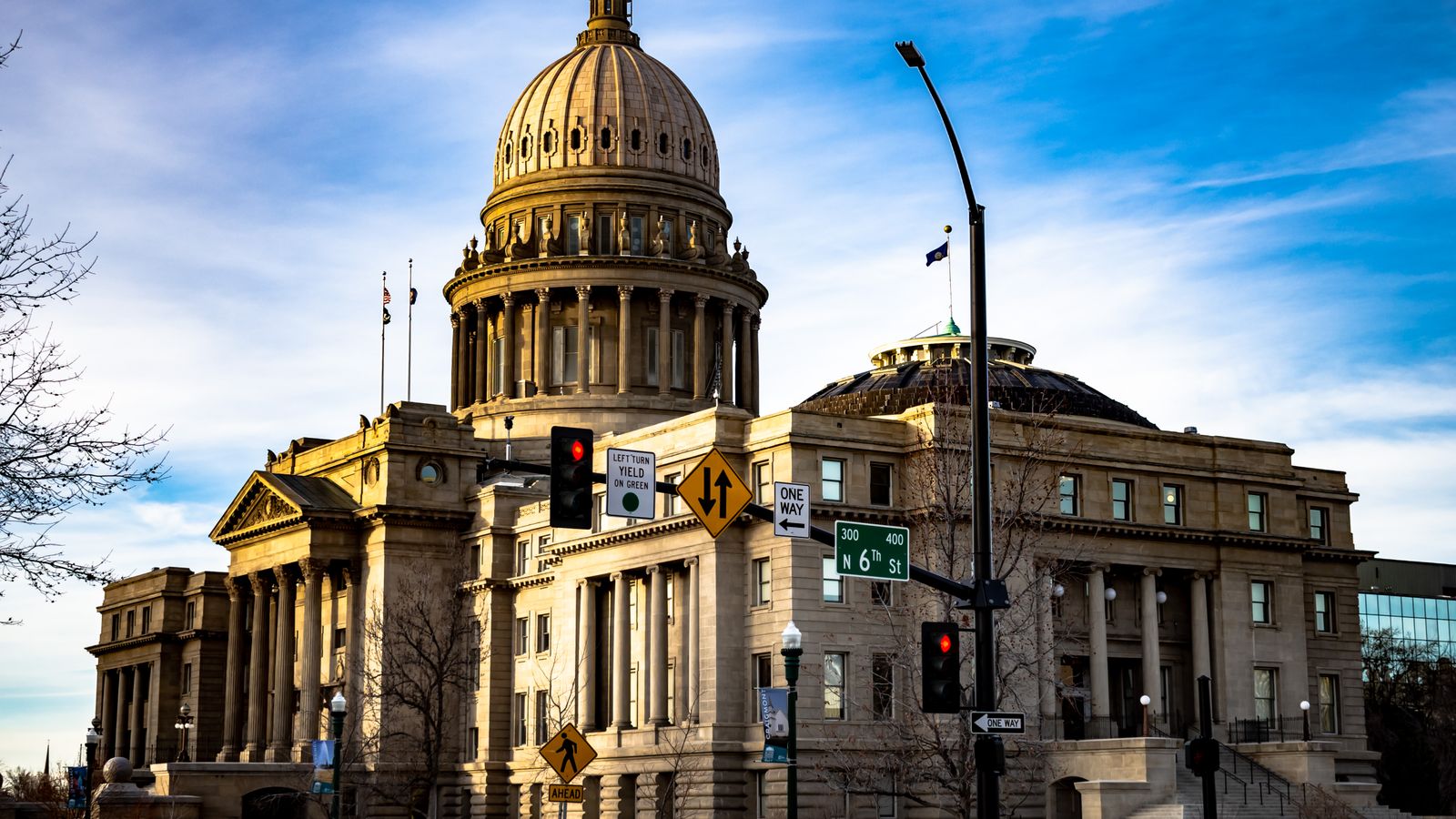
The Idaho State Capitol building in Boise captured during the day with clear skies.
Federal Prohibition Persists Despite State Momentum
The Controlled Substances Act still classifies cannabis as Schedule I, meaning the federal government considers it a drug with no accepted medical use and high abuse potential. This classification hasn't changed since 1970, despite repeated legislative efforts to deschedule or reschedule cannabis. The most recent federal rescheduling petition, filed by the Department of Health and Human Services in August 2023, recommended moving cannabis to Schedule III but hasn't resulted in final DEA action as of May 2026.
State-level legalization doesn't override federal law. Operators in the 24 states with adult-use programs and the 14 additional medical-only states operate under state licenses but remain technically in violation of the CSA. Federal enforcement has been inconsistent, with the Biden administration largely deferring to state programs while the Trump administration between 2017 and 2021 rescinded Obama-era guidance that deprioritized prosecution of state-compliant operators.
The cleanest read on current federal posture is selective non-enforcement rather than legalization. No federal statute affirmatively permits cannabis commerce. The 2018 Farm Bill carved out hemp containing less than 0.3% delta-9 THC, but that narrow exemption doesn't extend to marijuana flower, concentrates, or most retail cannabis products.
Operational Consequences for State-Licensed Businesses
Federal illegality forces cannabis companies to operate without access to traditional banking, deductions, or bankruptcy protections. Fewer than 700 of the nation's 4,800 federally insured banks and credit unions actively serve cannabis clients, according to FinCEN's most recent quarterly report from Q1 2026. Most operators rely on cash-heavy operations or state-chartered credit unions willing to accept the compliance burden.
Section 280E of the Internal Revenue Code prohibits businesses trafficking in Schedule I or II substances from deducting ordinary business expenses. Cannabis retailers pay effective federal tax rates between 40% and 70%, compared to 21% for non-cannabis C-corporations. A California dispensary grossing $5 million annually might owe $2 million in federal taxes while a comparable retail business in another sector would owe $630,000 on the same revenue. That math is brutal.
Interstate commerce remains prohibited even between two adult-use states. A cultivator in Oregon can't legally ship product to a retailer in Nevada, despite both states permitting sales. Each state's supply chain operates as a closed loop. This increases redundancy and costs. Federal courts have consistently ruled that the dormant Commerce Clause doesn't protect interstate cannabis shipments because the underlying activity violates federal law.
What Comes Next for Federal Reform
The most viable near-term federal action is the SAFER Banking Act, which passed the House in 2023 but stalled in the Senate. The bill would prohibit federal banking regulators from penalizing institutions that serve state-licensed cannabis businesses. It doesn't deschedule cannabis or resolve 280E. Reintroduced in January 2026, the measure has 48 Senate cosponsors as of May 2026, short of the 60 votes needed to overcome a filibuster.
Full descheduling would require either an act of Congress or DEA rulemaking following an HHS recommendation. The Biden administration's August 2023 recommendation to move cannabis to Schedule III would preserve federal control but allow business expense deductions and reduce some criminal penalties. Schedule III substances include ketamine, anabolic steroids, and Tylenol with codeine. That reclassification wouldn't legalize cannabis but would meaningfully reduce the tax burden on operators.
For full background on federal reform efforts, see the CannIntel topic hub on federal cannabis legalization. The political variable nobody can model is whether a divided Congress prioritizes cannabis banking or taxation relief in an election year. We'll be watching three indicators: Senate floor time allocated to SAFER Banking, DEA's final response to the HHS Schedule III petition, and whether Treasury issues updated 280E guidance before the end of fiscal 2026.
For complete background, history, and our ongoing coverage of this story:
Open the CannIntel topic hub →Frequently asked questions
Is cannabis legal at the federal level in 2026?
No. Cannabis remains a Schedule I controlled substance under the Controlled Substances Act. Federal law prohibits cultivation, distribution, and possession, though enforcement has been inconsistent and largely deferred to states with legalization programs.
What is Section 280E and how does it affect cannabis businesses?
Section 280E of the Internal Revenue Code prohibits businesses trafficking in Schedule I or II substances from deducting ordinary business expenses like payroll, rent, or marketing. This results in effective federal tax rates of 40-70% for cannabis retailers, compared to 21% for non-cannabis corporations.
Can cannabis businesses use traditional banks?
Fewer than 700 of the nation's 4,800 federally insured banks and credit unions actively serve cannabis clients as of Q1 2026, according to FinCEN. Most operators rely on cash operations or state-chartered credit unions willing to accept compliance risk.
What would Schedule III reclassification mean for the industry?
Moving cannabis from Schedule I to Schedule III would allow businesses to deduct ordinary expenses under Section 280E, reducing effective tax rates from 40-70% to approximately 21%. It wouldn't federally legalize cannabis or permit interstate commerce, but would meaningfully reduce the tax burden.
What is the SAFER Banking Act?
The SAFER Banking Act would prohibit federal banking regulators from penalizing institutions that serve state-licensed cannabis businesses. Reintroduced in January 2026, it has 48 Senate cosponsors as of May 2026, short of the 60 votes needed to overcome a filibuster.
Sources
The cannabis newsletter you forward to your team.
Federal policy, market data, grower alerts, and the one story that matters today. Sent every weekday at 7am. Free.
No spam. Unsubscribe with one click. 21+ only.
Related from Laws
Cannabis Remains Schedule I Despite 38 State Programs, Federal Clash Persists
No federal legalization exists; state-legal cannabis operators face banking, tax, and criminal-law conflicts under the Controlled Substances Act.
Federal Cannabis Status Unchanged Despite State-Level Reforms
Cannabis remains a Schedule I controlled substance under federal law despite legalization in 24 states and ongoing DEA rescheduling review.

Cannabis Remains Federally Illegal Despite State-Level Reforms
Despite 38 states permitting medical or adult-use cannabis, federal prohibition under the Controlled Substances Act continues to govern interstate commerce and federal enforcement.
More from the newsroom

Federal and State Cannabis Policy Shifts Mark Busy Week for Industry
Simultaneous regulatory moves at both levels signal accelerating policy activity ahead of summer recess.
Federal Cannabis Status Unchanged Despite 38-State Patchwork
Cannabis remains a Schedule I controlled substance under the Controlled Substances Act even as 38 states permit medical or adult-use sales.

Virginia Governor Vetoes Adult-Use Cannabis Bill, Hemp Industry Applauds
Governor's veto blocks retail marijuana sales framework, drawing praise from hemp advocates citing market conflict concerns.