Federal Cannabis Status Unchanged Despite State-Level Reforms
Cannabis remains a Schedule I controlled substance under federal law despite legalization in 24 states and ongoing DEA rescheduling review.
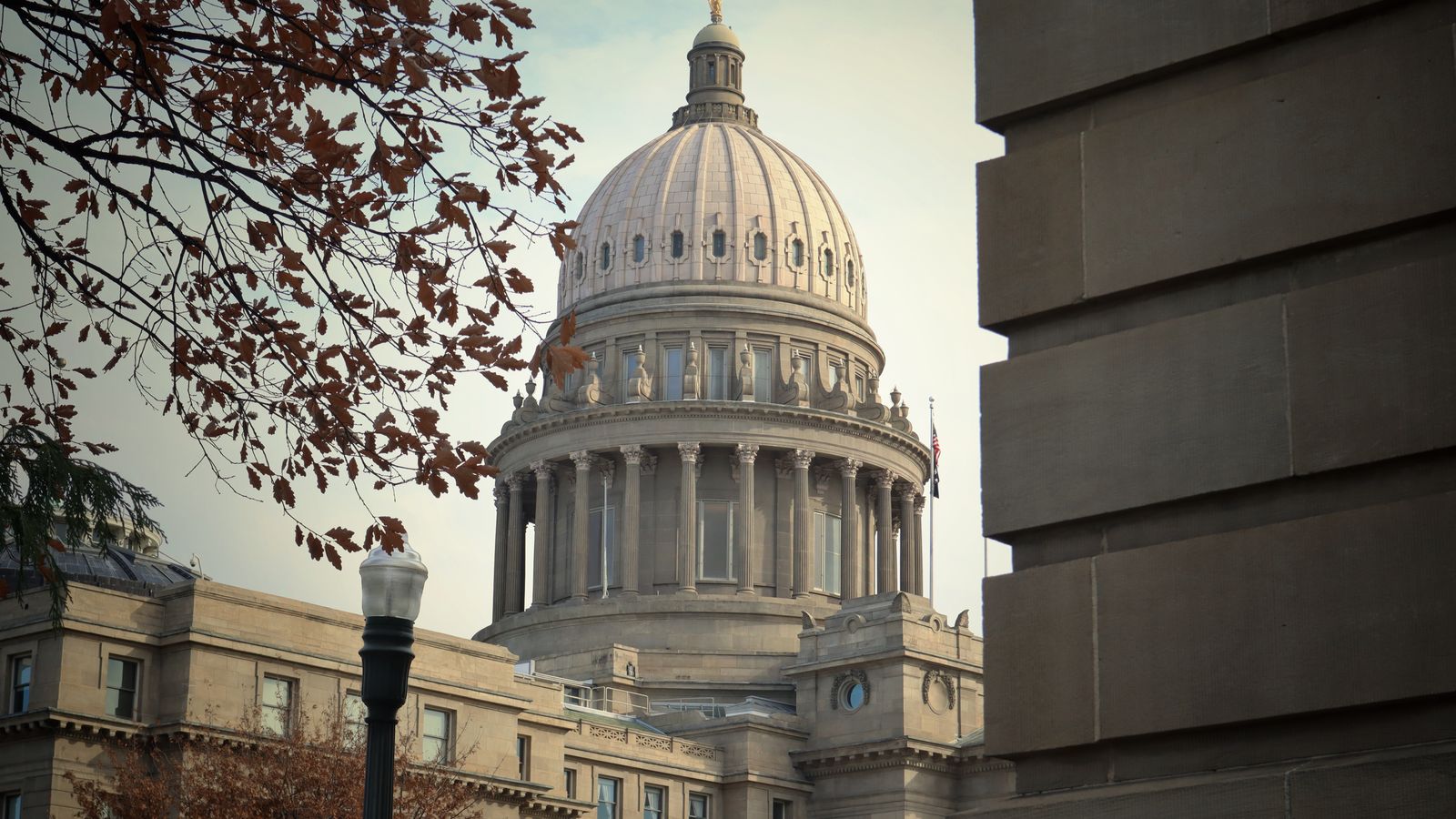
A view of the Idaho State Capitol Building framed by autumn leaves.
Federal Classification Unchanged
Cannabis is classified as a Schedule I controlled substance under 21 U.S.C. § 812, the same category as heroin and LSD, with no accepted medical use recognized by the federal government. This classification hasn't budged since the Controlled Substances Act took effect in 1970. That's despite decades of state-level reform and mounting clinical evidence of therapeutic applications.
The Drug Enforcement Administration initiated a rescheduling review in August 2023 following a Department of Health and Human Services recommendation to move cannabis to Schedule III. That review remains pending as of May 25, 2026, with no final rule published in the Federal Register.
State-Federal Conflict Persists
Twenty-four states and the District of Columbia have legalized adult-use cannabis sales, while 38 states permit medical cannabis programs, creating direct conflict with federal prohibition. The mismatch exposes operators to federal prosecution and banking restrictions even when they're fully compliant with state law.
Key federal-state conflicts include:
- Federal banking prohibitions under the Bank Secrecy Act force most operators into cash-only business models
- IRS Code Section 280E denies standard business deductions for entities trafficking in Schedule I or II substances, imposing effective tax rates of 70% or higher
- Interstate commerce bans prevent legal operators from shipping product across state lines, even between two legal states
- Federal employment and housing protections don't extend to cannabis users, regardless of state law
Enforcement Posture Varies by Administration
Federal enforcement priorities have shifted with each administration, creating operational uncertainty for state-legal businesses. The Obama-era Cole Memo (2013) deprioritized enforcement in states with strong regulatory frameworks. The Trump administration rescinded that memo in 2018 but didn't significantly increase prosecutions. The Biden administration has largely maintained a hands-off posture toward state-legal operators while continuing enforcement against unlicensed activity.
No federal statute currently provides safe harbor for state-legal cannabis businesses. The SAFE Banking Act has passed the House seven times since 2019 but has never advanced in the Senate.
What This Means for Operators and Consumers
The federal-state split creates material legal and financial risk for every participant in state-legal markets. Operators face 280E tax burdens, banking blackouts, and the theoretical risk of federal asset forfeiture. Consumers in legal states can still be denied federal employment, housing, or firearms permits based on cannabis use. Medical patients using state-legal cannabis products have no federal workplace protections under the Americans with Disabilities Act.
For comprehensive background on the federal rescheduling process and its potential impact, see the CannIntel topic hub on federal cannabis legalization status.
The next signal: DEA is required under the Administrative Procedure Act to publish a notice of proposed rulemaking before any Schedule change takes effect. No such notice has been filed as of May 25, 2026.
Frequently asked questions
Is cannabis legal anywhere in the United States?
Cannabis is legal under state law in 24 states and D.C. for adult use, and in 38 states for medical use. It remains illegal under federal law as a Schedule I controlled substance in all 50 states.
Can I be prosecuted for using cannabis in a legal state?
State-legal cannabis use is generally not prosecuted by state or local authorities. Federal prosecution is theoretically possible but rare for personal use. You can still be denied federal employment, housing, or firearms permits based on cannabis use.
What is Section 280E and how does it affect cannabis businesses?
IRS Code Section 280E prohibits businesses trafficking in Schedule I or II substances from deducting ordinary business expenses. This results in effective tax rates of 70% or higher for state-legal cannabis operators, even though they comply with state law.
When will the DEA rescheduling decision be final?
The DEA hasn't published a timeline. The agency must issue a notice of proposed rulemaking, accept public comment, and publish a final rule before any schedule change takes effect. No NPRM has been filed as of May 25, 2026.
Would rescheduling to Schedule III make cannabis federally legal?
No. Rescheduling to Schedule III would eliminate 280E tax penalties and acknowledge accepted medical use, but cannabis would remain a controlled substance subject to federal regulation. Adult-use sales would still conflict with federal law.
Sources
The cannabis newsletter you forward to your team.
Federal policy, market data, grower alerts, and the one story that matters today. Sent every weekday at 7am. Free.
No spam. Unsubscribe with one click. 21+ only.
Related from Laws
Federal Cannabis Legality Remains Fragmented Across US in 2026
Despite state-level reforms, cannabis remains federally illegal with enforcement varying widely by jurisdiction and administration.
Cannabis Remains Schedule I Despite 38 State Programs, Federal Clash Persists
No federal legalization exists; state-legal cannabis operators face banking, tax, and criminal-law conflicts under the Controlled Substances Act.

Cannabis Remains Federally Illegal Despite State-Level Reforms
Despite 38 states permitting medical or adult-use cannabis, federal prohibition under the Controlled Substances Act continues to govern interstate commerce and federal enforcement.
More from the newsroom

Federal and State Cannabis Policy Shifts Mark Busy Week for Industry
Simultaneous regulatory moves at both levels signal accelerating policy activity ahead of summer recess.

Federal Cannabis Status Unchanged Despite 38-State Patchwork
Cannabis remains a Schedule I controlled substance under the Controlled Substances Act even as 38 states permit medical or adult-use sales.

Virginia Governor Vetoes Adult-Use Cannabis Bill, Hemp Industry Applauds
Governor's veto blocks retail marijuana sales framework, drawing praise from hemp advocates citing market conflict concerns.