Regenerative Cannabis Farms Scale Without Federal Crop Insurance or USDA Loans
Sun-grown cultivators adopt no-till living soil methods while locked out of federal agriculture programs.
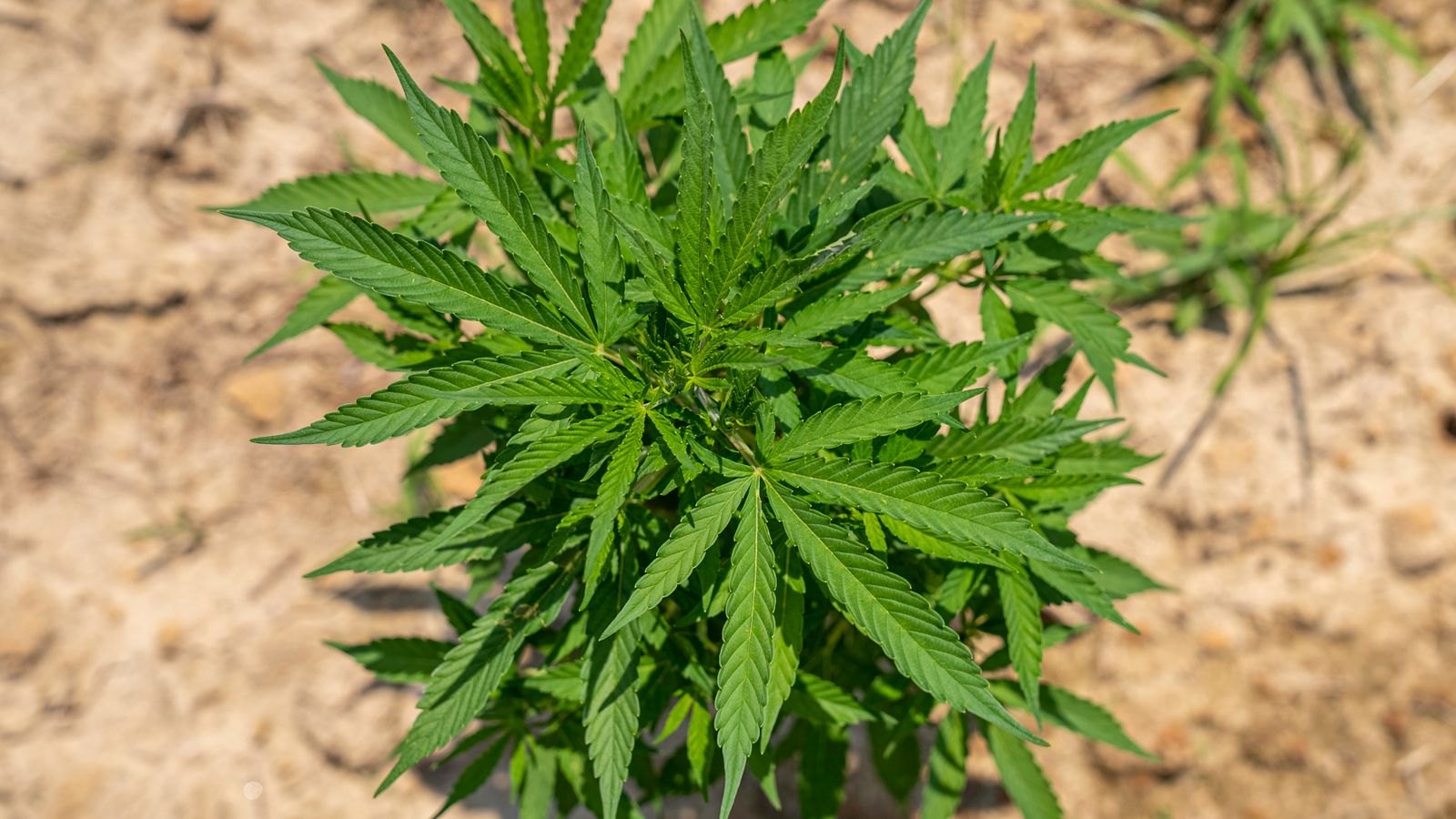
A healthy cannabis plant thriving outdoors under the sun in a natural setting.
Living Soil and No-Till Methods Gain Traction
Regenerative cannabis farms are deploying no-till living soil systems, cover cropping, and composting protocols identical to those subsidized by USDA for corn and soy operations. The methodology centers on soil biology: mycorrhizal networks, earthworm populations, and microbial diversity replace synthetic fertilizers. Cultivators report input-cost reductions of 30–50% after the second season, once soil structure stabilizes.
The practice isn't new to agriculture—it mirrors regenerative viticulture in California and no-till wheat in the Midwest. Cannabis operators receive zero federal support. USDA's Environmental Quality Incentives Program (EQIP) and Conservation Stewardship Program (CSP) exclude Schedule I crops by statute.
Sun-Grown Canopies Replace Indoor Energy Load
Outdoor and light-dep greenhouse models are displacing indoor grows in Oregon, California, and Humboldt County as energy costs and carbon scrutiny intensify. A 10,000-square-foot indoor facility consumes roughly 200,000 kWh annually. An equivalent sun-grown plot? Zero supplemental lighting. Water demand drops by half through mulch retention and drip irrigation.
Regenerative outdoor farms operate at one-tenth the energy footprint of sealed indoor rooms, a margin that matters as carbon-disclosure mandates tighten in California and New York.
The shift is operational, not ideological. Wholesale prices for indoor flower have compressed 60% since 2021 in Oregon, while sun-grown flower now commands premiums in craft markets when paired with organic or regenerative certification from third-party auditors like the Regenerative Organic Alliance.
Federal Lockout: No Crop Insurance, No Conservation Dollars
Cannabis farmers can't access the $20 billion in annual USDA conservation payments or the Federal Crop Insurance program that backstops weather risk for 380 million acres nationwide. A tomato farm transitioning to organic methods can apply for three-year EQIP cost-share grants covering soil testing, compost infrastructure, and hedgerow installation. A cannabis farm next door? Statutorily ineligible.
The exclusion persists even in states with legal adult-use markets. Federal farm policy hinges on the Farm Bill, which funds USDA programs. Until cannabis is descheduled or the Farm Bill is amended to carve out state-legal crops, no federal dollars flow to regenerative cannabis operations.
For full background on this story, see the CannIntel topic hub on regenerative cannabis farming.
What Cultivators Are Watching
The next variable is state-level gap funding and private certification premiums. California's Department of Cannabis Control has floated a regenerative-practice incentive tied to license-fee reductions, though no rule has been finalized. Oregon's Department of Agriculture offers soil-health grants to any farmer, including cannabis, but the pool is $2 million annually. That's a rounding error compared to federal programs.
Third-party certification remains the only market signal. Regenerative Organic Certified (ROC) cannabis commands 15–25% wholesale premiums in California and Colorado. Whether that margin holds as supply increases is the open question. The methodology works—the economics depend on whether consumers and dispensaries will pay for it.
Sources
The cannabis newsletter you forward to your team.
Federal policy, market data, grower alerts, and the one story that matters today. Sent every weekday at 7am. Free.
No spam. Unsubscribe with one click. 21+ only.
Related from Grow

Study Reveals Cultivation Methods That Boost Cannabinoid and Terpene Yields
New research identifies specific environmental controls that significantly increase secondary metabolite production in cannabis.

How Commercial Growers Calculate Optimal Plant Density Per Square Foot
Plant count per canopy square foot determines labor cost, yield per harvest, and compliance risk in licensed facilities.

Cannabis Flavor Science Expands Beyond Terpenes, New Research Shows
Emerging data reveals volatile sulfur compounds and esters shape strain profiles as much as myrcene or limonene.
More from the newsroom

Cannabis Consumption Method Predicts Addiction Risk, Study Finds
New research links smoking and vaping to higher rates of heavy use and cannabis use disorder compared to edibles.

Protesters Rally Against Queensland Cannabis Drug-Driving Laws
Advocates gathered at Queensland Parliament House to challenge roadside testing rules they say penalize medical cannabis patients.

Germany Abandons Cannabis Club Pilot, Narrows Legalization Framework
Berlin scraps regional retail trials, leaving home cultivation as sole legal access route under revised Cannabis Act.