Protesters Rally Against Queensland Cannabis Drug-Driving Laws
Advocates gathered at Queensland Parliament House to challenge roadside testing rules they say penalize medical cannabis patients.
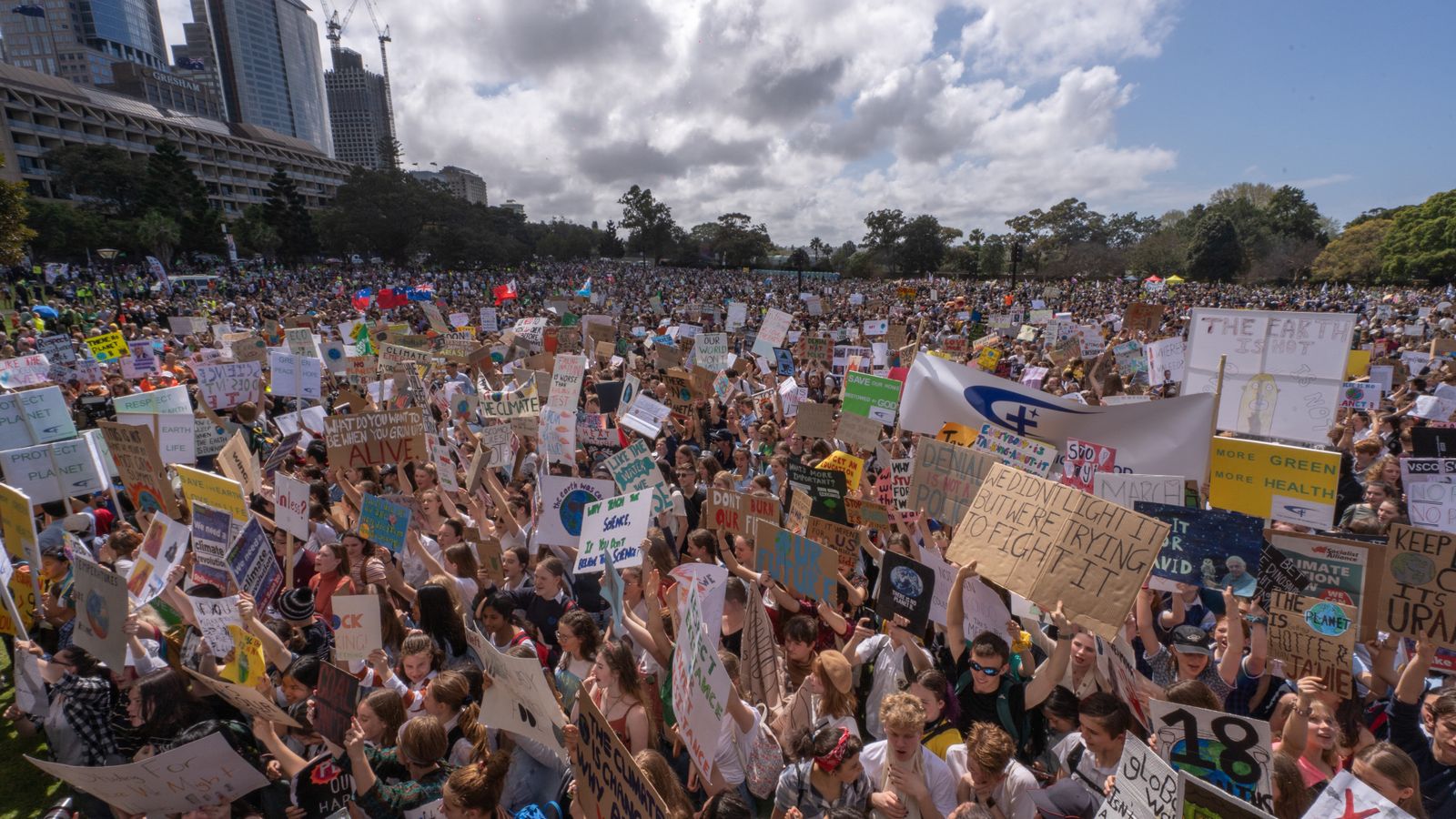
Thousands gather in Sydney's Hyde Park demanding climate action. Diverse crowd with placards.
Rally Targets Zero-Tolerance THC Testing
The protest focused on Queensland's roadside drug-testing framework, which detects THC presence without measuring impairment. Under current Queensland law, drivers who return a positive saliva test for THC face automatic penalties, even if they consumed cannabis days earlier and show no signs of impairment at the time of the test.
Medical cannabis patients argue the law criminalizes legal medication use. THC can remain detectable in saliva for 12 to 72 hours after consumption—long after psychoactive effects have subsided.
Medical Cannabis Patients Face Legal Jeopardy
Legal medical cannabis users in Queensland risk losing their licenses despite holding valid prescriptions. The state's Therapeutic Goods Administration approvals don't exempt patients from drug-driving penalties. Patients who medicate at night can test positive the following morning during their commute.
Queensland issued more than 8,000 medical cannabis approvals in 2025, according to state health data. Not one of those patients has legal protection while driving if THC is detected.
Advocates Demand Impairment-Based Testing
Protesters called for Queensland to adopt impairment-based roadside assessments rather than presence-based detection. Several Australian advocacy groups have proposed field sobriety tests or cognitive assessments that measure actual driving capacity, not residual cannabinoid metabolites.
Similar debates are unfolding in New South Wales and Victoria, where medical cannabis patient numbers have surged. No Australian state has yet implemented impairment thresholds for THC.
Queensland Government Has Not Signaled Reform
The Queensland Department of Transport and Main Roads hasn't announced plans to revise the drug-driving statute. The department's current policy treats THC detection identically to methamphetamine or cocaine, with no distinction for medical use or time-since-consumption.
Police unions in Queensland have historically opposed impairment-based testing. They cite officer training costs and the difficulty of standardizing field sobriety protocols for cannabis.
Broader Context: Australia's Cannabis Policy Gap
The rally underscores a widening gap between Australia's expanding medical cannabis framework and outdated road-safety laws. Federal regulators have approved more than 200 cannabis products for prescription, but no state has reconciled those approvals with zero-tolerance driving statutes.
For full background on this issue, see the CannIntel topic hub on Australia cannabis drug-driving laws. The disconnect will likely intensify as patient numbers grow and advocacy groups coordinate cross-state pressure campaigns—and as Queensland legislators decide whether to introduce impairment-standard bills in the 2027 session.
Sources
The cannabis newsletter you forward to your team.
Federal policy, market data, grower alerts, and the one story that matters today. Sent every weekday at 7am. Free.
No spam. Unsubscribe with one click. 21+ only.
Related from Laws

Virginia Hemp Retailers Sue State Over New THC Limits
Lawsuit challenges emergency regulations capping intoxicating cannabinoids at 0.3% total THC per package.
Suffolk Sheriff Tompkins Faces Federal Trial on Cannabis Extortion Charges
Trial begins Monday for Massachusetts sheriff accused of shaking down dispensary applicants for bribes.

Germany's Cannabis Imports Surge 18 Months After Legalization
Import data shows Germany's domestic cultivation lagging as licensed imports climb and policy concerns mount.
More from the newsroom

Curaleaf Launches Takeover Bid for Aurora Cannabis
U.S. MSO Curaleaf initiates acquisition offer for Canadian LP Aurora Cannabis in cross-border consolidation play.
Trulieve Completes NYSE Uplisting as Schedule III Takes Effect
Florida MSO transitions to New York Stock Exchange amid federal rescheduling milestone.

California, Michigan and Florida Lead 2026 State Cannabis Sales
New sales data ranks the top 10 state markets as adult-use expansion reshapes regional dominance.