How Commercial Growers Calculate Optimal Plant Density Per Square Foot
Plant count per canopy square foot determines labor cost, yield per harvest, and compliance risk in licensed facilities.

Worker tends cannabis plants in indoor facility wearing protective gear.
Canopy Math: Square Feet, Plant Count, and Yield Targets
Plant density directly controls grams per square foot, which is the baseline metric for commercial profitability. A Sea of Green (SOG) layout at 16 plants per square meter (roughly 1.5 per square foot) targets 400-500 grams per square meter with short veg cycles. A low-density SCROG setup at 1 plant per square meter (0.09 per square foot) aims for the same yield by extending veg time and training each plant across more canopy. More plants means shorter veg, faster turns, higher plant-count risk. Fewer plants means longer veg, fewer harvests per year, lower compliance exposure.
What kills you is miscalculating labor. Sixteen plants per square meter means sixteen root zones to feed, sixteen stems to prune, sixteen harvest points. One plant per square meter? One rootball, one trellis net, one point of failure.
State Plant-Count Caps and License Tiers
Most states impose per-license plant limits that force density decisions before the first clone goes into rockwool. Michigan's Class C license allows 2,000 plants. California's medium indoor license caps at 10,000 square feet of canopy but doesn't hard-cap plant count — the cultivator picks density. Illinois ties plant count to licensed square footage with a 0.5-plant-per-square-foot ceiling for some tiers. Oklahoma had no plant cap until 2025, when the state introduced a 6,000-plant limit for standard commercial licenses.
The compliance variable isn't just the cap. It's the reporting cadence. States with weekly METRC updates and mandatory plant tags from clone stage make high-density SOG a paperwork nightmare.
Veg Time vs. Harvest Frequency
High-density layouts shorten veg to 7-14 days; low-density SCROG or mainline grows veg for 4-8 weeks. A facility running 16 plants per square meter can turn five harvests a year. A single-plant-per-meter room turns three. SOG is less labor per harvest but more plants to handle. SCROG is fewer plants but more training hours per cycle — the trade is labor per plant against labor per square foot per year.
For full background on optimizing commercial workflows, see the CannIntel topic hub on Commercial Cultivation Best Practices.
Strain Architecture and Canopy Fill
Indica-dominant cultivars with tight internodal spacing and low stretch suit high-density SOG; sativa-leaning strains with 2-3x stretch need low density or aggressive topping. A Wedding Cake pheno that stretches 40% in flower fits 9 per square meter. A Durban Poison cross that triples in height needs 2 per square meter or you're defoliating every third day to prevent mold.
The pheno-hunt matters. If you're selecting for production, you're selecting for a plant that fills its allotted square footage without invading the next one.
HVAC, Irrigation, and Infrastructure Load
Every additional plant per square foot adds transpiration load, which means more dehumidification and more irrigation events per day. A 10,000-square-foot flower room at 4 plants per square foot is 40,000 root zones pulling water. That's 40,000 drip emitters, 40,000 potential clogs, and 40,000 points where a pH swing can cause lockout. Low-density grows with 1 plant per square foot cut that to 10,000 — but each plant is pulling four times the water over a longer veg.
Here's the HVAC math: more plants, more leaf area, more VPD to manage. High-density rooms need higher air exchange rates and more granular environmental zones.
Labor Cost Per Pound and Per Plant
Labor is the single largest variable cost in cannabis cultivation, and plant density determines whether you're paying per plant or per square foot. Trimming 40,000 plants at 10 grams each is 400 kilograms across 40,000 trim events. Trimming 10,000 plants at 40 grams each is the same weight but one-quarter the handling. If your trim crew charges per plant, low density wins. If they charge per pound, the math flips.
Training labor follows the same curve. Topping, trellising, and defoliating 40,000 plants is a full-time job. Training 10,000 plants? Part-time.
What to Watch: Density Trends in 2026
The industry is splitting. High-volume processors in Michigan and Oklahoma are pushing SOG to maximize turns and minimize veg infrastructure. Craft-focused operators in California and Colorado are dropping to 1-2 plants per square meter, extending veg, and marketing single-origin, hand-trained flower. The middle is disappearing. You're either running a plant factory or you're running a garden.
Frequently asked questions
What is the optimal plant density for commercial cannabis cultivation?
Optimal density depends on state plant caps, strain architecture, and labor cost structure. High-density SOG (16 plants per square meter) maximizes harvest frequency but increases per-plant labor. Low-density SCROG (1 plant per square meter) reduces compliance load and handling time but extends veg cycles and cuts annual harvest count.
How does plant density affect labor cost in cannabis grows?
More plants per square foot means more root zones to irrigate, more stems to prune, and more individual harvest points. A 40,000-plant SOG layout requires four times the per-plant handling of a 10,000-plant SCROG room yielding the same weight. Labor cost per pound drops with lower density if trim crews charge per plant.
Do state regulations limit cannabis plant density?
Most states cap total plant count per license, not density per square foot. Michigan's Class C allows 2,000 plants. Illinois ties plant count to canopy square footage with density ceilings for some tiers. Oklahoma introduced a 6,000-plant cap in 2025. California's medium license caps canopy at 10,000 square feet but doesn't hard-limit plant count.
How does strain type influence plant density decisions?
Indica-dominant cultivars with tight internodal spacing and low stretch (40-60%) suit high-density SOG layouts. Sativa-leaning genetics that double or triple in height during flower need low density or aggressive topping to prevent canopy crowding and mold pressure. Pheno selection for production means selecting plants that fill their allotted space without invading adjacent squares.
What is the relationship between plant density and harvest frequency?
High-density grows shorten veg to 7-14 days and turn five harvests per year. Low-density grows extend veg to 4-8 weeks and turn three harvests annually. The trade-off: more harvests with higher per-plant labor vs. fewer harvests with lower handling hours per cycle.
Sources
The cannabis newsletter you forward to your team.
Federal policy, market data, grower alerts, and the one story that matters today. Sent every weekday at 7am. Free.
No spam. Unsubscribe with one click. 21+ only.
Related from Grow
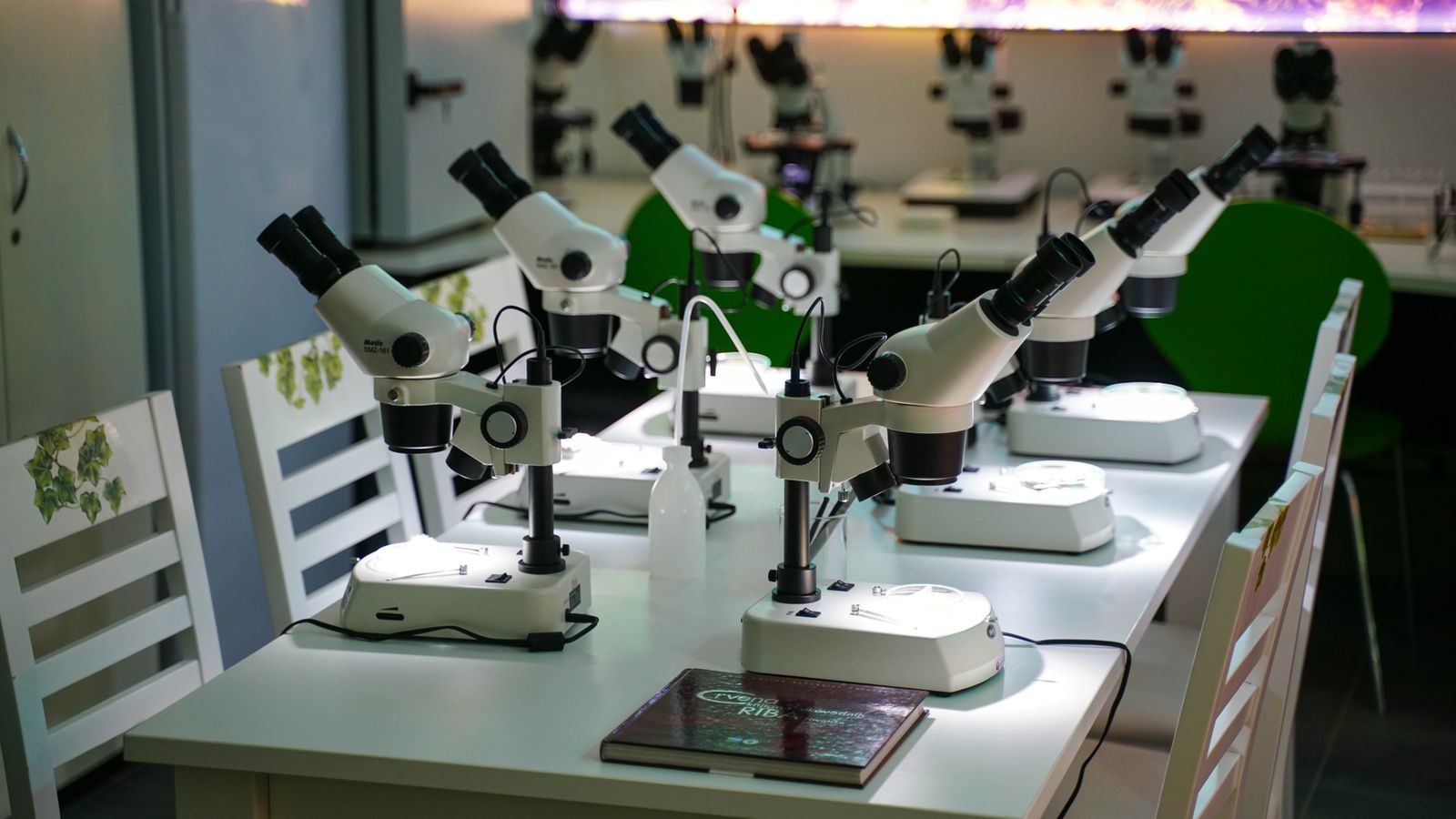
Study Reveals Cultivation Methods That Boost Cannabinoid and Terpene Yields
New research identifies specific environmental controls that significantly increase secondary metabolite production in cannabis.
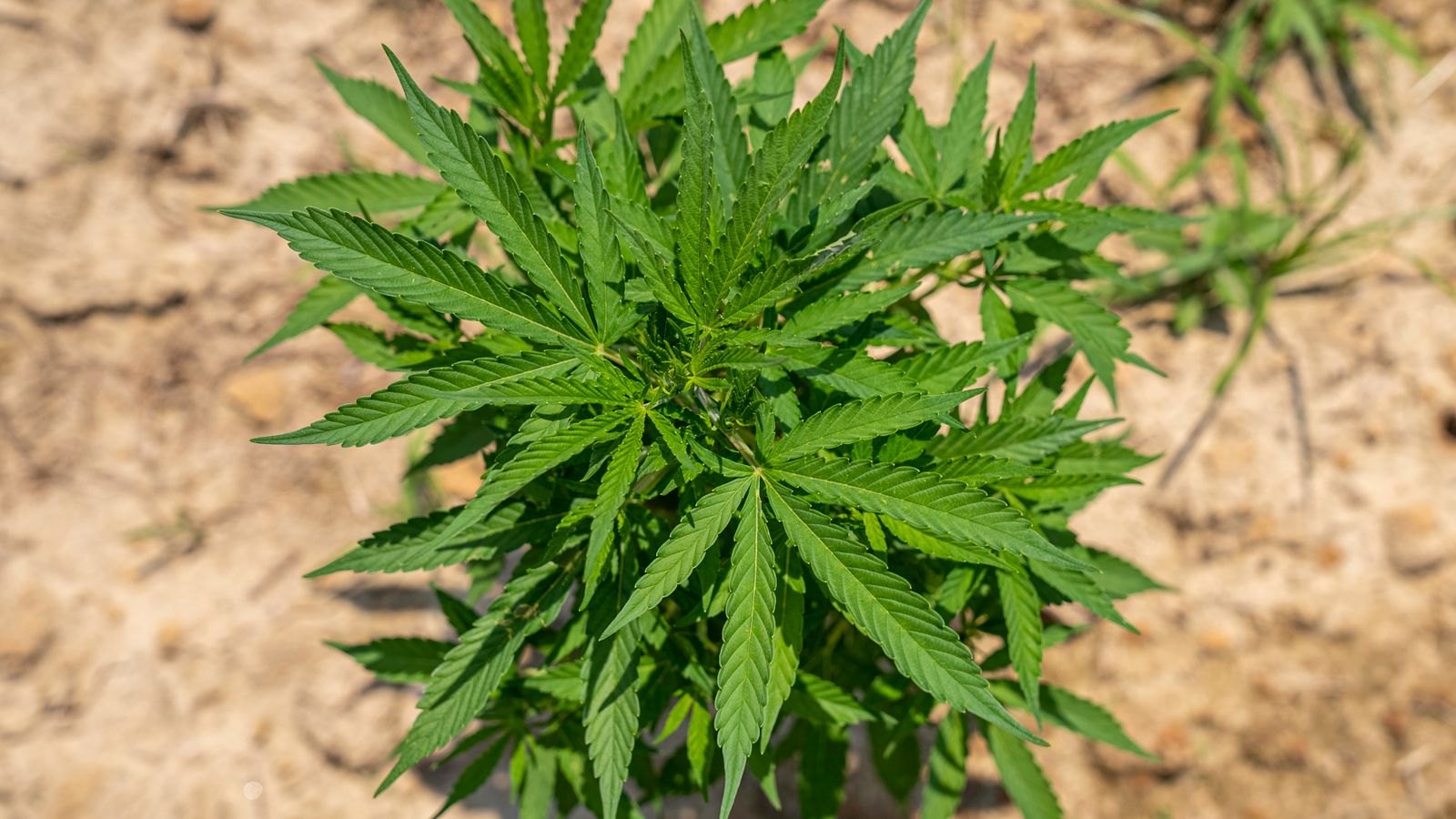
Regenerative Cannabis Farms Scale Without Federal Crop Insurance or USDA Loans
Sun-grown cultivators adopt no-till living soil methods while locked out of federal agriculture programs.

Cannabis Flavor Science Expands Beyond Terpenes, New Research Shows
Emerging data reveals volatile sulfur compounds and esters shape strain profiles as much as myrcene or limonene.
More from the newsroom

Cannabis Consumption Method Predicts Addiction Risk, Study Finds
New research links smoking and vaping to higher rates of heavy use and cannabis use disorder compared to edibles.
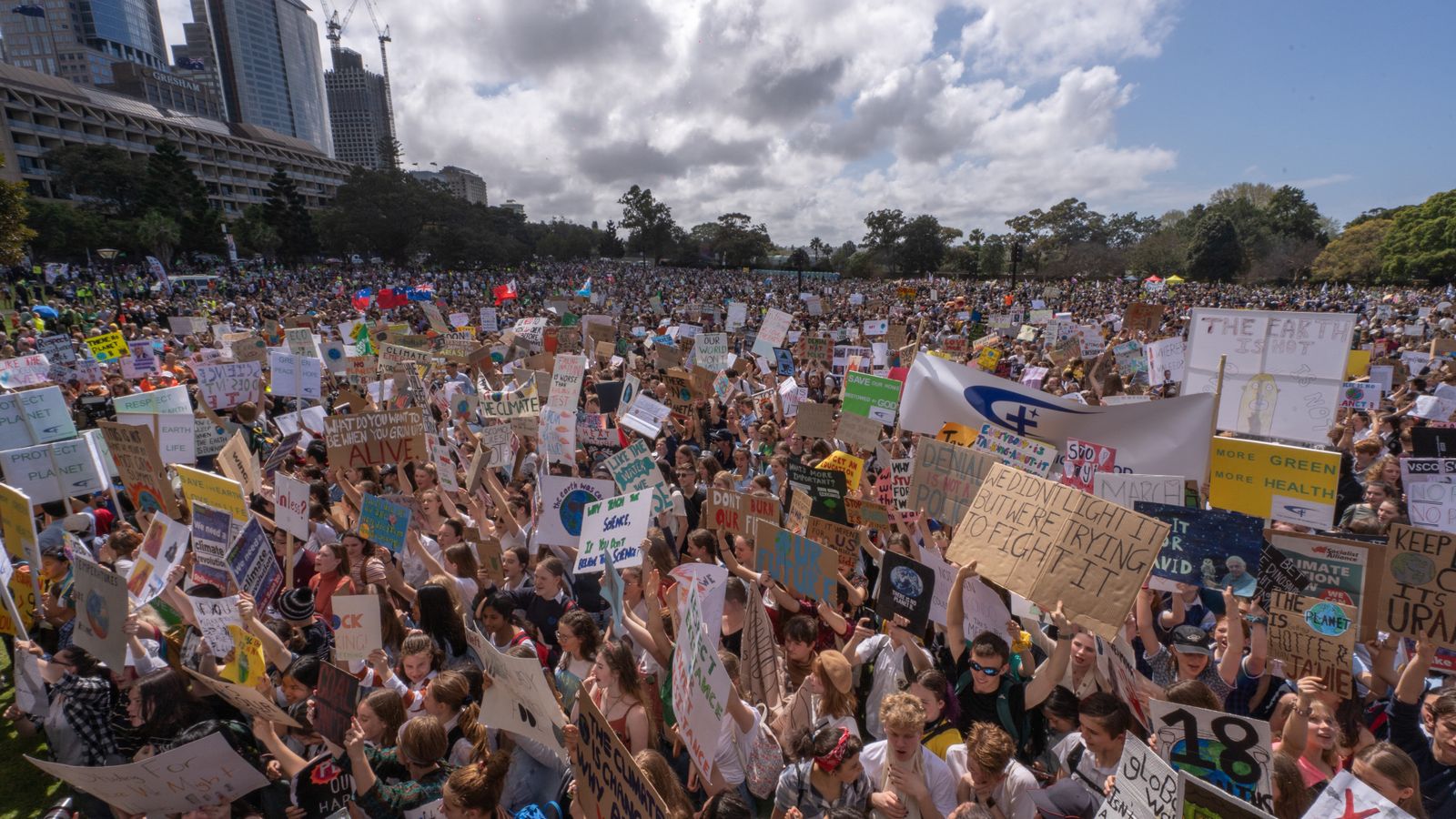
Protesters Rally Against Queensland Cannabis Drug-Driving Laws
Advocates gathered at Queensland Parliament House to challenge roadside testing rules they say penalize medical cannabis patients.

Germany Abandons Cannabis Club Pilot, Narrows Legalization Framework
Berlin scraps regional retail trials, leaving home cultivation as sole legal access route under revised Cannabis Act.