Cannabis Use Hits Record High as Alcohol Consumption Falls
New data shows cannabis adoption outpacing alcohol for the first time in U.S. consumer surveys.

Two friends enjoying a relaxed evening indoors, sharing a joint and smiling.
The Shift in American Consumption Habits
Cannabis adoption has surpassed alcohol in year-over-year growth for the first time in recorded U.S. consumer data. The Visual Capitalist analysis, released this week, charts a decades-long trend that accelerated sharply after 2020. Alcohol remains the more widely consumed substance by total volume, but cannabis is gaining share at a rate that surprised even optimistic industry forecasters.
The crossover matters. MSOs, CPG brands, and state tax planners are all watching. Cannabis revenue in adult-use states now competes directly with beer and spirits for discretionary spending, and the data suggests younger consumers are choosing flower, vapes, and edibles over six-packs and cocktails.
What the Numbers Show
The Visual Capitalist chart tracks self-reported consumption from 2000 through early 2026, showing cannabis use climbing from single-digit percentages to record adoption rates. Alcohol use, meanwhile, has plateaued or declined in every age cohort under 40. The inflection point arrived sometime in late 2025, when monthly cannabis users overtook monthly moderate alcohol drinkers in the 21-34 demographic.
State-level sales figures tell the same story. California, Illinois, and Michigan all reported double-digit cannabis revenue growth in Q1 2026 while beer sales in those same states fell 3-7% year-over-year, according to Nielsen retail tracking. That's not substitution in theory anymore—it's substitution in the register tape.
For context on how legalization reshaped these consumption patterns, see the CannIntel topic hub on Cannabis Consumption Trends.
Why Consumers Are Switching
Flavor, function, and hangover-free mornings are the three reasons cited most often in consumer surveys. Cannabis offers targeted effects that alcohol can't match: relaxation without sedation, focus without jitters, sleep without grogginess. Edibles and vapes also deliver a cleaner sensory experience than the bitter finish of IPAs or the burn of spirits.
Strain diversity plays a role too. A consumer shopping for Northern Lights or Wedding Cake can dial in terpene profiles in ways that a vodka soda simply doesn't allow—myrcene for couch-lock, limonene for mood lift. That optionality appeals to the same cohort that buys single-origin coffee and natural wine.
There's also a health halo, deserved or not. Consumers perceive cannabis as lower-calorie, less toxic to the liver, and less likely to trigger regrettable texts. Whether that perception holds up under long-term research is a separate question. It's driving purchase decisions today.
What This Means for the Industry
MSOs and beverage brands are already repositioning around the trend. Curaleaf, Cresco Labs, and Green Thumb Industries have all launched or acquired cannabis beverage lines in the past 18 months, betting that the next wave of consumers wants a sessionable, social alternative to beer. Anheuser-Busch InBev and Molson Coors have both filed trademarks for cannabis-adjacent products. Big Alcohol sees the writing on the keg.
State tax authorities are watching too. Alcohol excise taxes fund everything from road repair to addiction services, and a sustained decline in beer and spirits sales will force budget recalibrations. Some states are already floating cannabis tax increases to offset the shortfall, a move that could slow adoption if rates climb too high.
The political variable nobody can model is federal rescheduling. If DEA moves cannabis to Schedule III, interstate commerce and institutional investment both unlock, accelerating the substitution effect. If rescheduling stalls, the trend continues at the current state-by-state pace: fast, but not transformational.
For complete background, history, and our ongoing coverage of this story:
Open the CannIntel topic hub →Frequently asked questions
When did cannabis use surpass alcohol in the U.S.?
Cannabis monthly use overtook moderate alcohol consumption in the 21-34 demographic in late 2025, according to Visual Capitalist data published May 15, 2026. Alcohol remains more widely consumed overall, but cannabis is gaining share rapidly.
Why are consumers choosing cannabis over alcohol?
Surveys cite three main reasons: targeted effects (relaxation, focus, sleep), cleaner sensory experience, and perceived health benefits including no hangovers and lower calorie counts. Strain diversity and terpene customization also appeal to younger consumers.
How are beverage companies responding to the trend?
MSOs like Curaleaf and Cresco Labs have launched cannabis beverage lines, while Anheuser-Busch InBev and Molson Coors have filed trademarks for cannabis products. Big Alcohol is repositioning to capture consumers switching from beer and spirits.
What does this mean for state tax revenue?
Declining alcohol sales reduce excise tax revenue that funds state budgets. Some states are considering cannabis tax increases to offset the shortfall, though higher rates could slow adoption and create a revenue spiral.
Will federal rescheduling accelerate the substitution effect?
Yes. If DEA moves cannabis to Schedule III, interstate commerce and institutional investment unlock, making cannabis more accessible and competitive with alcohol. If rescheduling stalls, the trend continues at the current state-level pace.
Sources
The cannabis newsletter you forward to your team.
Federal policy, market data, grower alerts, and the one story that matters today. Sent every weekday at 7am. Free.
No spam. Unsubscribe with one click. 21+ only.
Related from Culture
New Data Shows Cannabis Impairment Rates Flat at Work, Rising on Roads
Federal survey finds workplace cannabis use unchanged since 2019 despite state legalization wave, but roadside testing data tells a different story.

New Data Shows Limited Rise in Workplace, Roadway Cannabis Impairment
Despite legalization fears, recent surveys reveal workplace and traffic impairment rates remain largely stable across legal markets.

New Data Shows Cannabis Use at Work Rises as Testing Methods Lag
Self-reported workplace consumption climbs 18% since 2023 while roadside impairment detection remains contested.
More from the newsroom
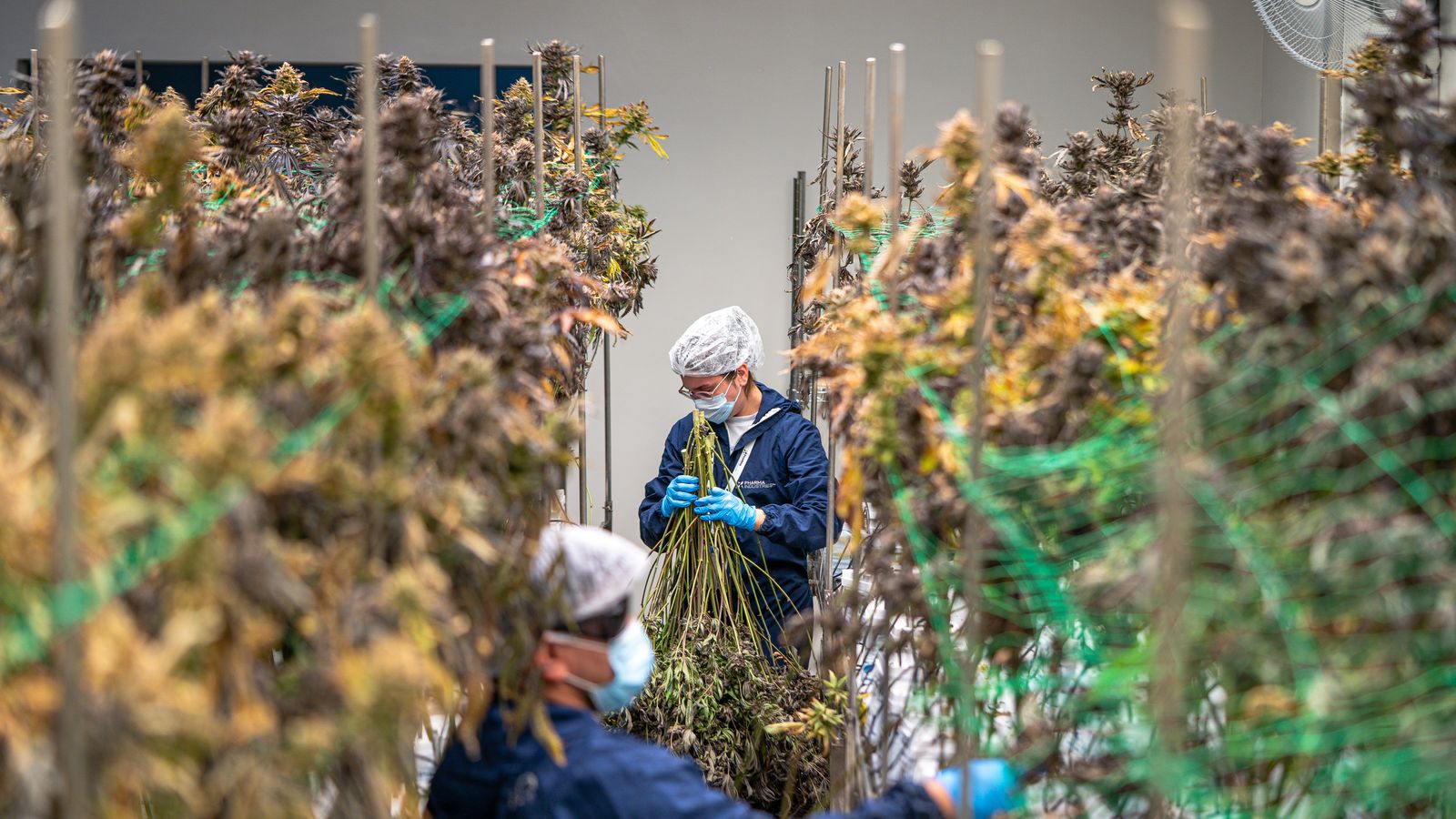
Licensed Cannabis Farms Deter Illicit Grows Better Than Bans, Study Finds
New research shows regulated cultivation zones reduce unlicensed operations more effectively than prohibition-style enforcement alone.

Green Thumb Industries Posts Q1 2026 Earnings Update
Multi-state operator releases quarterly results amid continued federal Schedule III uncertainty.
Trulieve Positioned for Major Exchange Uplisting as MSO Index Access Debate Heats Up
Seeking Alpha analysis highlights Trulieve's readiness for Nasdaq or NYSE listing amid growing institutional demand for cannabis index inclusion.