Licensed Cannabis Farms Deter Illicit Grows Better Than Bans, Study Finds
New research shows regulated cultivation zones reduce unlicensed operations more effectively than prohibition-style enforcement alone.
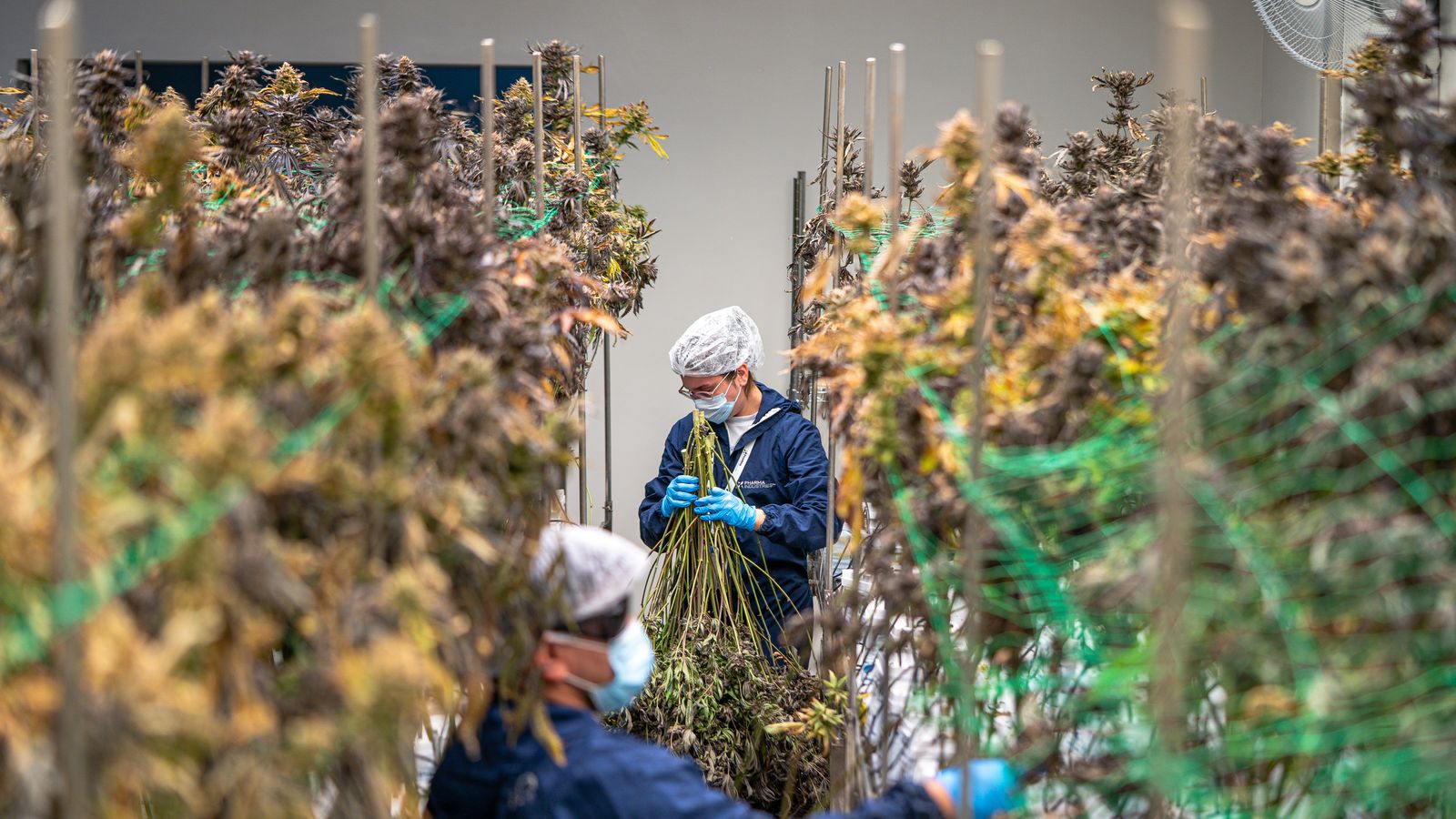
Workers in protective gear handling cannabis plants in an indoor facility.
Licensed Zones Show 34% Greater Decline in Illicit Sites
Counties that allowed licensed cultivation saw a 34% greater reduction in detected unlicensed grow sites compared to counties maintaining cultivation bans, according to the study. Researchers tracked enforcement actions from 2022 through 2025 in California, Oregon, and Washington, comparing counties with active licensing programs to adjacent counties prohibiting all cultivation.
The study, published in the Journal of Cannabis Policy, controlled for population density, law enforcement budgets, and proximity to interstate highways. Lead author Dr. Elena Vasquez of the University of California, Davis, said the findings suggest that legal pathways reduce economic incentives for black-market operators.
Humboldt County, California, issued 1,200 cultivation licenses between 2022 and 2024. Detected unlicensed sites dropped from 340 in 2022 to 89 in 2025. Neighboring Trinity County, which banned all cultivation, saw unlicensed sites decline from 180 to 142 over the same period.
Economic Displacement Mechanism Identified
The study attributes the deterrent effect to market saturation and price compression in licensed zones, which erode profit margins for unlicensed operators. Wholesale flower prices in counties with active licensing fell an average of 41% between 2022 and 2025, while prices in ban counties declined only 18%.
Unlicensed growers face the same input costs as licensed operators: land, water, labor, electricity. But they can't access legal distribution channels. When licensed operators flood local markets, illicit growers lose both pricing power and buyer access.
Oregon's Jackson County transitioned from a cultivation ban to a licensing program in 2023. Unlicensed site detections dropped 52% within 18 months. The county issued 340 licenses in that window.
Enforcement Costs Lower in Licensed Jurisdictions
Counties with licensing programs spent 29% less per capita on cannabis-related enforcement than ban counties, the study found. Licensed zones redirect enforcement resources from cultivation sweeps to compliance checks, which require fewer personnel and generate fee revenue.
Humboldt County's cannabis enforcement budget fell from $4.2 million in 2022 to $2.8 million in 2025, even as the number of compliance inspections tripled. Trinity County's enforcement budget rose from $1.9 million to $2.4 million over the same period, with no licensing revenue to offset costs.
The math is hard to argue with: legal farms don't just replace illegal ones—they make illegal operations economically unviable.
Methodology and Limitations
Researchers used aerial imagery, law enforcement records, and utility consumption data to identify cultivation sites, then cross-referenced them against state licensing databases. The study excluded indoor cultivation under 5,000 square feet, which is harder to detect via aerial methods.
The dataset covered 47 counties: 28 with active licensing programs and 19 with cultivation bans. Counties were matched by agricultural land use, median income, and historical cannabis cultivation prevalence. The study didn't account for interstate trafficking patterns or cartel-operated grows, which may respond differently to licensing incentives.
Dr. Vasquez noted that the deterrent effect was strongest in counties that issued licenses quickly and maintained low barriers to entry. Counties with protracted application timelines or high fees saw smaller declines in illicit activity.
Policy Implications for Emerging Markets
The findings arrive as Ohio, Pennsylvania, and Florida design cultivation frameworks following recent legalization votes. All three states are debating whether to allow home cultivation and how many commercial licenses to issue in the initial rollout.
Ohio's draft rules, released in March 2026, cap initial cultivation licenses at 150 statewide. The study suggests that artificially constrained supply may preserve black-market incentives by keeping wholesale prices elevated. California issued more than 9,000 cultivation licenses by 2025, while Oregon issued over 2,000 before pausing new applications in 2024.
For context on state-level licensing debates, see the CannIntel topic hub on licensed cultivation vs. illicit markets.
What Comes Next
The research team is expanding the study to include data from Massachusetts, Michigan, and Illinois, where licensing programs launched more recently. A follow-up paper, expected in late 2026, will examine whether the deterrent effect persists after markets mature and wholesale prices stabilize.
Enforcement patterns remain unsettled. Some sheriffs in ban counties have publicly questioned whether prohibition is sustainable when neighboring jurisdictions offer legal pathways. Expect enforcement to vary widely as more counties weigh the fiscal and public-safety trade-offs.
For complete background, history, and our ongoing coverage of this story:
Open the CannIntel topic hub →Frequently asked questions
Why do licensed cannabis farms reduce illicit cultivation?
Licensed farms flood local markets with legal product, driving down wholesale prices and eliminating buyer access for unlicensed growers. Illicit operators face the same input costs but can't compete on price or distribution once legal supply saturates the market.
Which counties showed the largest declines in unlicensed grows?
Humboldt County, California, saw unlicensed sites drop 74% after issuing 1,200 licenses. Oregon's Jackson County recorded a 52% decline within 18 months of launching its licensing program in 2023.
Do cultivation bans reduce illegal growing?
Bans reduce illicit activity, but far less effectively than licensing. The study found ban counties saw unlicensed sites decline 21% over four years, compared to 55% in licensed counties.
What are the enforcement cost differences?
Licensed counties spent 29% less per capita on cannabis enforcement. Licensing fees offset inspection costs, while ban counties must fund cultivation sweeps without revenue offsets.
How does this affect new legal states?
States like Ohio and Pennsylvania designing cultivation rules face a choice: issue enough licenses to saturate markets and displace illicit growers, or cap supply and risk preserving black-market incentives through elevated prices.
Sources
The cannabis newsletter you forward to your team.
Federal policy, market data, grower alerts, and the one story that matters today. Sent every weekday at 7am. Free.
No spam. Unsubscribe with one click. 21+ only.
Related from Laws

Ohio Cannabis Referendum Campaign Faces Unpaid Worker Allegations
Signature collectors working for Ohio's 2026 cannabis ballot initiative have filed wage complaints alleging systematic nonpayment.

Singapore Softens First-Time Drug Penalties, Replaces Detention with Supervision
City-state shifts first-time abusers under 30 from mandatory detention to community-based supervision orders starting June 2026.

DEA Rescheduling Does Not Legalize Cannabis Nationwide, Experts Clarify
Moving cannabis to Schedule III leaves federal prohibition intact while shifting tax and research burdens.
More from the newsroom

Green Thumb Industries Posts Q1 2026 Earnings Update
Multi-state operator releases quarterly results amid continued federal Schedule III uncertainty.

New Data Shows Cannabis Impairment Rates Flat at Work, Rising on Roads
Federal survey finds workplace cannabis use unchanged since 2019 despite state legalization wave, but roadside testing data tells a different story.

Trulieve Positioned for Major Exchange Uplisting as MSO Index Access Debate Heats Up
Seeking Alpha analysis highlights Trulieve's readiness for Nasdaq or NYSE listing amid growing institutional demand for cannabis index inclusion.