Cannabis Daily Use Surpasses Alcohol in America for First Time
Daily cannabis consumption now exceeds daily drinking among U.S. adults, marking a historic shift in American substance-use patterns.

A woman using a dropper for skincare routine in a cozy bedroom setting.
The Crossover Point
Daily cannabis use among U.S. adults reached 17.8 million people in 2026, surpassing the 14.7 million daily drinkers tracked in the same survey window. The gap widened from statistical parity in 2022 to a 3.1-million-user lead in four years. Daily use is defined as consumption on 20 or more days per month.
The trend is steepest among adults 26 to 49, where daily cannabis users now outnumber daily drinkers by nearly two to one in several legal states. Ohio and Missouri, both of which launched adult-use sales in 2024, show the sharpest year-over-year acceleration.
Why the Shift Happened Now
Three structural forces converged: state-level legalization, product innovation, and a generational reappraisal of cannabis as a wellness tool rather than a vice. The 2018 Farm Bill's hemp loophole seeded a national CBD market that primed millions of non-users to experiment. By 2023, delta-8 THC and THCA flower had penetrated prohibition states, blurring the legal-illegal line and making access nearly universal.
Flower still dominates daily use. But vape cartridges and low-dose edibles account for the fastest-growing segment. Consumers describe microdosing routines—2.5mg gummies at bedtime, a single vape pull before yoga—as harm-reduction alternatives to nightly wine. The ritual is sticking.
Who Is Using Daily
The median daily cannabis user in 2026 is a 38-year-old employed professional in a legal state, using primarily for sleep or anxiety management. That profile has drifted sharply from the 2010 stereotype. Women now represent 46% of daily users, up from 31% a decade ago. The over-50 cohort has tripled since 2020, driven by arthritis and insomnia self-medication.
Strain preference breaks predictably: daily users in legal markets favor high-myrcene indicas like Granddaddy Purple and Bubba Kush for evening use, and moderate-THC hybrids like Blue Dream and Wedding Cake for daytime microdosing. Cultivars marketed as "functional" or "clear-headed"—typically those with secondary cannabinoids like CBG or THCV—are seeing dispensary velocity gains of 40% year-over-year.
Alcohol's Parallel Decline
Daily drinking has fallen 18% since 2019, the steepest sustained decline in NSDUH history. The drop is most pronounced among men under 40, the demographic that historically anchored beer and spirits volume. Substitution is explicit: 63% of daily cannabis users in legal states report they've reduced or eliminated alcohol in the past two years, per a 2025 BDSA consumer survey.
The brewing industry has noticed. Major beer distributors are now investing in cannabis retail infrastructure, anticipating federal rescheduling will allow direct product crossover. Constellation Brands, Molson Coors, and Anheuser-Busch InBev have all launched or acquired cannabis beverage lines in Canada, holding them in reserve for U.S. market entry.
The Federal Policy Lag
Cannabis remains a Schedule I controlled substance under federal law, creating a dissonance between usage reality and regulatory posture. The DEA's proposed rescheduling to Schedule III, stalled since late 2024, wouldn't resolve the legal gap. Daily users in prohibition states still face arrest risk. Interstate commerce remains forbidden.
That hasn't slowed adoption. Daily use in non-legal states grew 22% in 2025, fueled by THCA flower sold as "hemp" and delta-8 vapes in gas stations. The regulatory vacuum has produced a functionally legal national market operating in the cracks of the 2018 Farm Bill.
Health Implications Still Murky
Daily cannabis use carries documented risks—dependency rates near 9%, cognitive impacts in heavy users, and potential respiratory harm from combustion—but long-term population-level health outcomes remain under-studied. No large-scale longitudinal study has tracked daily users over decades in the way alcohol and tobacco have been scrutinized.
What's clear: emergency-department visits for cannabis hyperemesis syndrome have doubled since 2022, and daily users report higher rates of tolerance and withdrawal symptoms than occasional users. The "cannabis is harmless" narrative is being stress-tested in real time as the daily-use population scales.
What Comes Next
If current trajectories hold, daily cannabis users will outnumber daily drinkers by 10 million people by 2028. The implications ripple across public health, criminal justice, workplace policy, and consumer packaged goods. Employers are quietly revising drug-testing protocols; insurers are modeling cannabis-use health impacts; and state tax offices are watching cannabis excise revenue eclipse alcohol in places like Colorado and Washington.
Federal banking reform and interstate commerce are the next frontier. Until those barriers fall, the daily-use boom will remain a state-by-state patchwork, with product quality and safety standards varying wildly. For context on how state markets are evolving, see the CannIntel topic hub on Cannabis Consumer Trends.
One data point to watch: daily cannabis use among adults 65 and older, currently the fastest-growing age segment. If that cohort continues adopting at current rates, the median daily user will be over 40 by 2030. That's a different political and cultural conversation than the one we had in 2016.
Sources
The cannabis newsletter you forward to your team.
Federal policy, market data, grower alerts, and the one story that matters today. Sent every weekday at 7am. Free.
No spam. Unsubscribe with one click. 21+ only.
Related from Culture

NFL-Backed Study Reveals Athletes Use Cannabis in Silence
New research funded by the NFL shows widespread undisclosed cannabis consumption among professional athletes despite evolving league policies.

Cheech and Chong Open Cannabis Shop in Milo, Maine This Weekend
The comedy duo's first Maine dispensary launches Saturday in a rural town of 2,200 residents.

Uber adds in-app drug-reporting feature for drivers
The rideshare platform now allows drivers to flag passengers for suspected drug possession without calling law enforcement.
More from the newsroom

Hemp Beverage Companies Challenge Ohio's Intoxicating Hemp Law
Industry coalition files legal challenge targeting Ohio's new restrictions on hemp-derived intoxicating beverages.
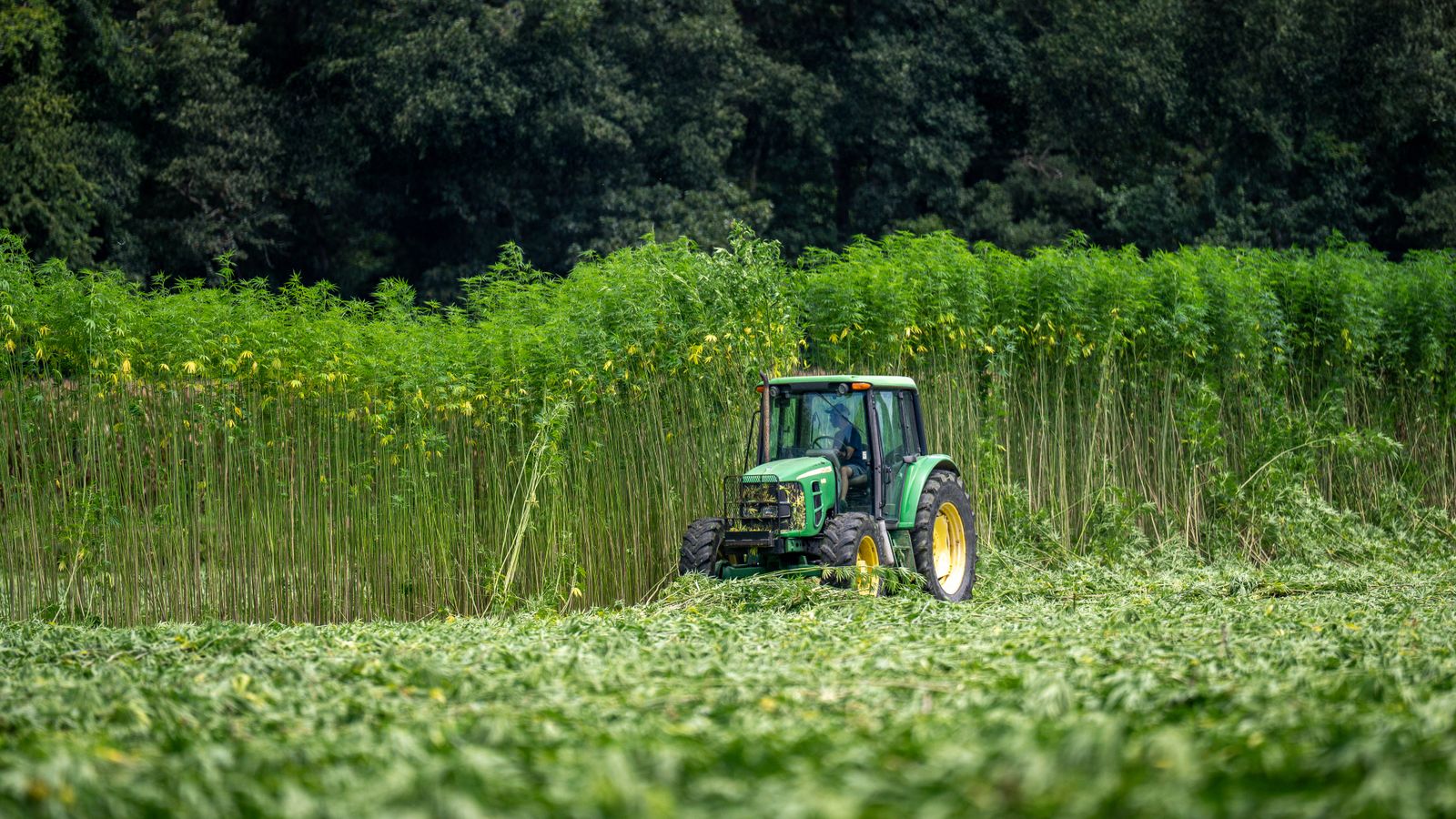
Hemp 'Loophole' Fight Creates Unusual Cannabis Lobby Alliances
State-legal cannabis operators and federal hemp producers are forming cross-sector coalitions as Congress weighs closing regulatory gaps.

Jefferson County Cannabis ER Visits Exceed State Average, Report Shows
New York county's cannabis-related emergency department visits outpace statewide rate in latest public health data.