Hemp 'Loophole' Fight Creates Unusual Cannabis Lobby Alliances
State-legal cannabis operators and federal hemp producers are forming cross-sector coalitions as Congress weighs closing regulatory gaps.
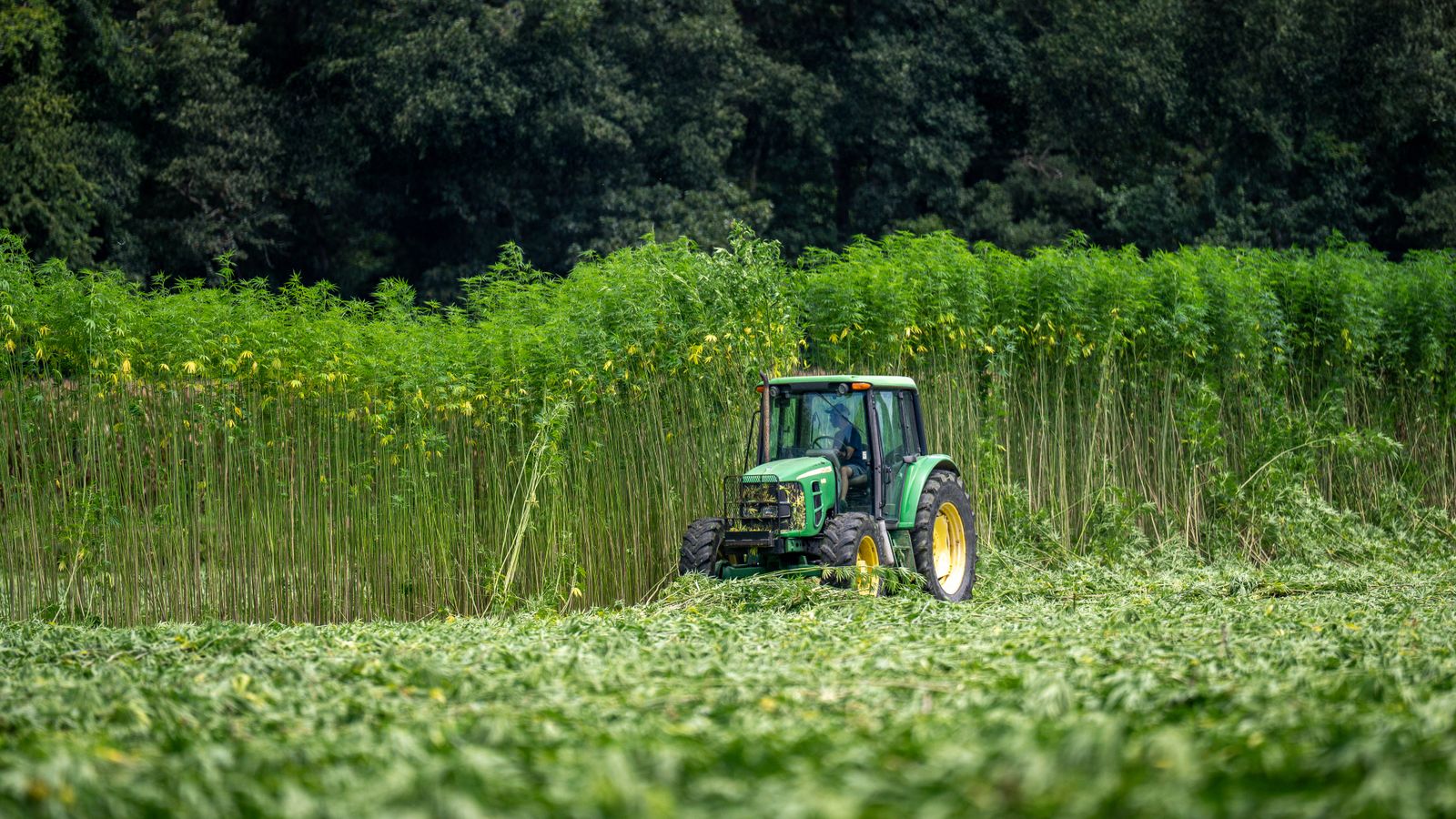
A vibrant green tractor working in a lush hemp field under clear summer skies.
Cross-Industry Coalition Emerges on Capitol Hill
State-legal cannabis operators and hemp manufacturers are jointly lobbying Congress on hemp regulatory reform, marking a reversal from years of antagonism between the sectors. The coalitions formed in recent weeks. Multiple bills targeting intoxicating hemp products advanced through committee hearings.
The alignment is unusual. Since 2018, state-licensed cannabis companies have repeatedly called for federal crackdowns on hemp-derived delta-8 THC and similar products, arguing they undercut regulated markets. Hemp producers, meanwhile, have defended the Farm Bill framework that legalized hemp containing less than 0.3% delta-9 THC by dry weight.
Legislative Pressure Points Drive Realignment
At least three bills introduced in the current Congress would restrict or ban intoxicating cannabinoids derived from hemp, forcing both sectors to recalculate their federal strategy. Proposals range from outright bans on delta-8 THC and THCA to requiring hemp-derived cannabinoid products to flow through state cannabis licensing systems.
That latter approach has created common ground. Channeling hemp products into existing state programs gives both sectors a shared interest. They now face the prospect of federal mandates that could override state frameworks entirely.
State-Level Enforcement Gaps Fuel Federal Debate
Thirty-two states have enacted some form of restriction on intoxicating hemp products since 2021, but enforcement remains inconsistent. Products containing delta-8 THC, THCA, and other hemp-derived cannabinoids remain widely available in gas stations, convenience stores, and online retailers across states with legal cannabis markets.
State cannabis regulators have struggled to enforce restrictions without clear federal guidance. The FDA has issued warning letters but hasn't pursued systematic enforcement under the Federal Food, Drug, and Cosmetic Act. That vacuum has left state officials calling for congressional action.
Farm Bill Reauthorization Timeline Uncertain
The 2018 Farm Bill's hemp provisions expire in September 2024, but reauthorization negotiations remain stalled as of July 2026. House and Senate Agriculture Committees have yet to reconcile competing proposals on hemp regulation, crop insurance, and nutrition programs.
Hemp language has become one of the most contentious pieces of the broader farm bill package. Senate Agriculture Committee Chair Debbie Stabenow (D-Mich.) has signaled support for tighter hemp cannabinoid restrictions. House Agriculture Committee Republicans have resisted sweeping changes to the 2018 framework.
Industry Economics Reshape Lobbying Calculus
State cannabis operators face margin compression from hemp competition, while hemp producers confront the risk of losing their largest revenue category if intoxicating products are banned. According to industry estimates, delta-8 THC and similar products generated approximately $2 billion in U.S. sales in 2025, with much of that volume occurring in states without legal adult-use cannabis markets.
For context on this market dynamic, see the CannIntel topic hub on the federal hemp loophole. State-licensed operators argue the hemp market undercuts their compliance costs. Hemp producers counter that their products serve consumers in prohibition states where no legal alternative exists.
What Comes Next
The next procedural milestone is a scheduled House Agriculture Committee markup session in early August 2026, though leadership hasn't yet released draft hemp language. Senate floor action is unlikely before the November midterm elections.
The political variable is whether hemp regulation becomes a standalone bill or remains tied to broader farm policy. Standalone bills face longer odds but could move faster if leadership prioritizes them. The coalitions forming now are betting on both tracks.
For complete background, history, and our ongoing coverage of this story:
Open the CannIntel topic hub →Sources
The cannabis newsletter you forward to your team.
Federal policy, market data, grower alerts, and the one story that matters today. Sent every weekday at 7am. Free.
No spam. Unsubscribe with one click. 21+ only.
Related from Laws

Hemp Beverage Companies Challenge Ohio's Intoxicating Hemp Law
Industry coalition files legal challenge targeting Ohio's new restrictions on hemp-derived intoxicating beverages.

Michigan CRA Holds Hearing on Updated Cannabis Rules
The Cannabis Regulatory Agency conducted a public hearing on proposed rule changes affecting state licensees.
Hemp Businesses and Consumers Brace for Federal Ban Fallout
Industry stakeholders warn of job losses and supply-chain chaos as federal hemp restrictions loom.
More from the newsroom

Jain: Interstate Commerce Could Unlock Next Growth Wave Post-Rescheduling
Hirsh Jain sees federal rescheduling as the trigger for cross-border cannabis trade and MSO consolidation.

Jefferson County Cannabis ER Visits Exceed State Average, Report Shows
New York county's cannabis-related emergency department visits outpace statewide rate in latest public health data.

Illinois MSO ends 'largest strike' in cannabis history with union deal
Cresco Labs reached a tentative agreement with UFCW Local 881, ending a work stoppage that halted production at multiple Illinois facilities.