Hemp Businesses and Consumers Brace for Federal Ban Fallout
Industry stakeholders warn of job losses and supply-chain chaos as federal hemp restrictions loom.
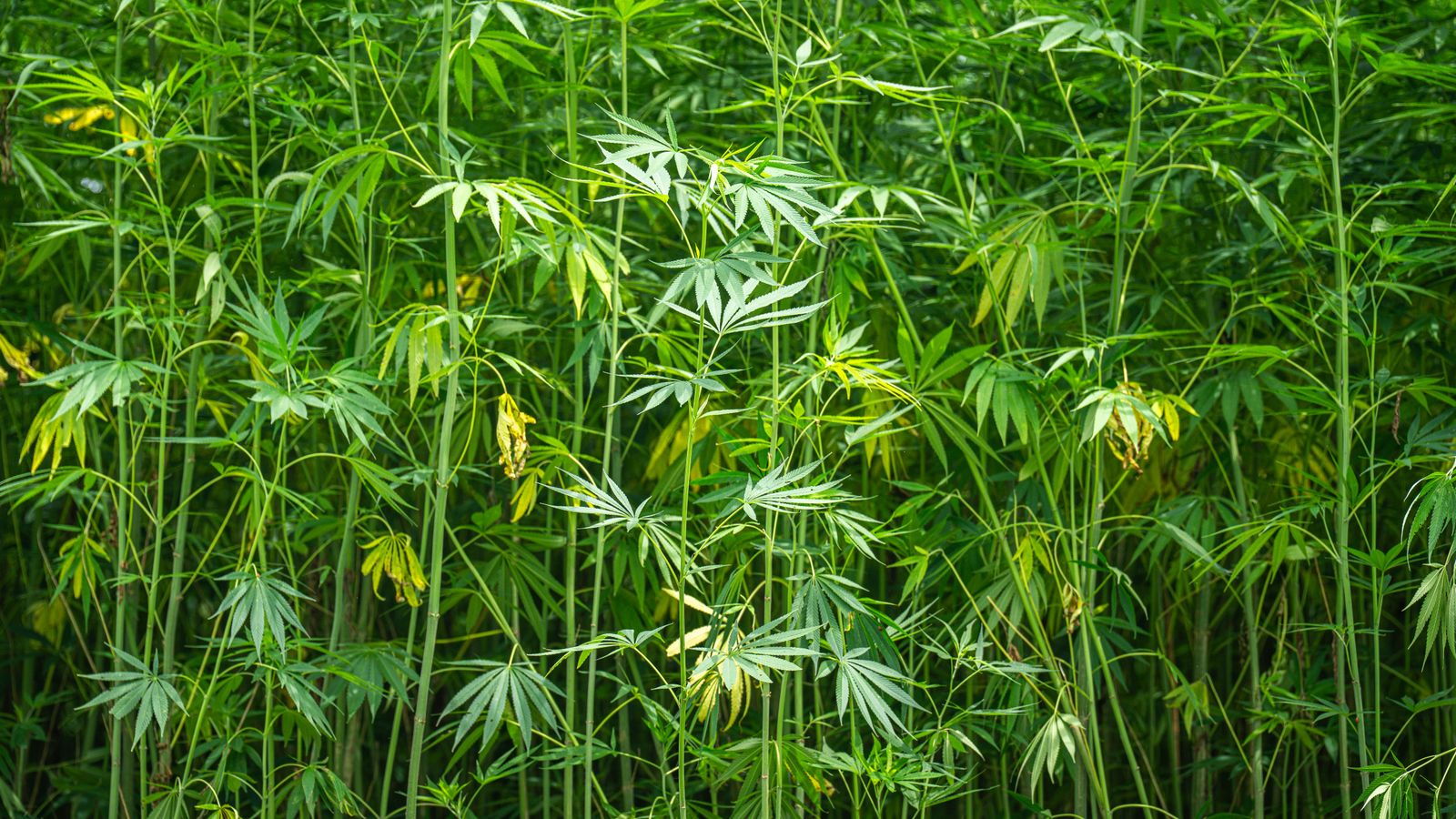
Vibrant hemp plants growing outdoors in a lush natural environment, showcasing long green leaves.
Economic Stakes Drive Industry Pushback
Hemp stakeholders are warning federal regulators that a blanket ban on intoxicating hemp products could eliminate an estimated 50,000 jobs and wipe out $4 billion in annual sales. The figures, cited in recent industry comments to the Drug Enforcement Administration, reflect the scale of the market that's grown since the 2018 Farm Bill legalized hemp containing less than 0.3% delta-9 THC by dry weight.
The federal government has signaled intent to close the "hemp loophole" that allows delta-8 THC, THCA flower, and other intoxicating cannabinoids to reach consumers without state-licensed dispensary oversight. DEA's notice of proposed rulemaking, published in May 2026, would reclassify these products as controlled substances.
Small manufacturers and retailers say they can't pivot to state-licensed cannabis markets. Capital requirements are too high. Licensing windows in most states are too narrow.
Consumer Access Concerns Mount
Consumers in states without adult-use cannabis programs face the prospect of losing legal access to intoxicating hemp products entirely. Advocacy groups have submitted over 12,000 public comments opposing the ban, many from users in states like Texas, Georgia, and North Carolina where hemp-derived delta-8 and THCA products remain the only legal intoxicating option.
Medical users cite affordability as a key factor, and the numbers back them up: hemp-derived products typically retail for 30-50% less than state-licensed cannabis equivalents due to lower regulatory overhead and taxation.
The DEA hasn't proposed exemptions for medical use or interstate commerce protections for existing inventory.
Chemistry and Enforcement Challenges
The proposed rule hinges on total THC measurement rather than delta-9 THC alone, a shift that would reclassify most THCA flower as a Schedule I substance. THCA (tetrahydrocannabinolic acid) converts to delta-9 THC through decarboxylation when heated, but remains non-intoxicating in raw form.
Testing protocols vary widely across state hemp programs. Key variables include:
- Pre-decarboxylation vs. post-decarboxylation measurement
- Total THC calculation methods (some states use a 0.877 conversion factor, others test only delta-9)
- Sampling timing (flower THC content rises as harvest approaches)
- Lab accreditation standards
State agriculture departments in Kentucky, Oregon, and Colorado have warned that total-THC enforcement would render most hemp flower crops non-compliant, even those grown under state-approved seed programs.
Legal Challenges in Motion
At least three federal lawsuits challenging the DEA's authority to reinterpret the 2018 Farm Bill are pending in district courts. Plaintiffs argue that Congress explicitly defined hemp as material containing less than 0.3% delta-9 THC, and that the DEA can't unilaterally expand that definition to include total THC or specific isomers.
Both the U.S. Hemp Roundtable and National Hemp Association have filed amicus briefs supporting the industry plaintiffs. Oral arguments are scheduled for September 2026 in the U.S. District Court for the District of Columbia.
Legal experts note that the DEA's interim final rule on hemp extracts, published in August 2020, has already faced one successful challenge—the Ninth Circuit ruled in 2023 that the agency overstepped its authority in attempting to ban delta-8 THC without formal rulemaking.
State Responses Diverge
State-level enforcement is fracturing along political lines, with at least 15 states enacting their own bans on intoxicating hemp products ahead of federal action. California, New York, and Colorado have moved to restrict or prohibit delta-8, THCA flower, and high-potency hemp edibles through emergency regulations.
By contrast, states like Florida, Montana, and South Dakota have passed legislation protecting hemp-derived cannabinoids from state-level prohibition, setting up potential conflicts with federal enforcement.
Industry attorneys expect a patchwork compliance situation to persist for at least 18-24 months after any final federal rule takes effect.
For full background on the regulatory timeline and state-by-state status, see the CannIntel topic hub on the federal hemp ban.
What Happens Next
The DEA's public comment period closed on July 15, 2026. The agency hasn't announced a timeline for a final rule, though industry observers expect a decision by Q4 2026.
If the ban takes effect, existing inventory would likely face a 90-180 day sell-through window based on prior DEA scheduling actions. Retailers are already reporting stockpiling behavior. Consumers are anticipating the cutoff.
Enforcement priorities remain unclear. The DEA has limited resources for retail-level enforcement and typically focuses on large-scale manufacturing and interstate distribution. State-level enforcement will vary widely.
For complete background, history, and our ongoing coverage of this story:
Open the CannIntel topic hub →Frequently asked questions
What is the difference between delta-9 THC and THCA?
Delta-9 THC is the primary intoxicating cannabinoid in cannabis. THCA (tetrahydrocannabinolic acid) is the non-intoxicating precursor found in raw flower that converts to delta-9 THC when heated through smoking, vaping, or cooking. The 2018 Farm Bill defined legal hemp using delta-9 THC content only, not total THC.
When will the federal hemp ban take effect?
The DEA has not announced a final rule date. The public comment period closed July 15, 2026. Industry observers expect a decision by Q4 2026. If enacted, a 90-180 day transition period for existing inventory is likely based on prior DEA scheduling actions.
Will the ban affect CBD products?
Non-intoxicating CBD products containing less than 0.3% delta-9 THC are not targeted by the proposed rule. The ban focuses on intoxicating cannabinoids like delta-8 THC, delta-10 THC, THC-O, and THCA flower that converts to delta-9 when heated.
Can states override a federal hemp ban?
No. Federal law preempts state law under the Supremacy Clause. However, states control enforcement priorities. Some states may choose not to allocate resources to enforce a federal hemp ban, creating a patchwork compliance environment similar to pre-legalization cannabis enforcement.
What is total THC and why does it matter?
Total THC is a measurement that includes both delta-9 THC and THCA, using a conversion factor (typically 0.877) to estimate potential delta-9 content after decarboxylation. The DEA's proposed rule would use total THC instead of delta-9 alone, reclassifying most hemp flower as a controlled substance.
Sources
The cannabis newsletter you forward to your team.
Federal policy, market data, grower alerts, and the one story that matters today. Sent every weekday at 7am. Free.
No spam. Unsubscribe with one click. 21+ only.
Related from Laws
Hemp 'Loophole' Fight Creates Unusual Cannabis Lobby Alliances
State-legal cannabis operators and federal hemp producers are forming cross-sector coalitions as Congress weighs closing regulatory gaps.

Michigan CRA Holds Hearing on Updated Cannabis Rules
The Cannabis Regulatory Agency conducted a public hearing on proposed rule changes affecting state licensees.

Texas THC limits take effect, capping consumable hemp products at 0.5%
New state rules restrict delta-8, delta-9, and THCA concentrations in edibles and beverages starting July 31.
More from the newsroom

Jefferson County Cannabis ER Visits Exceed State Average, Report Shows
New York county's cannabis-related emergency department visits outpace statewide rate in latest public health data.

Illinois MSO ends 'largest strike' in cannabis history with union deal
Cresco Labs reached a tentative agreement with UFCW Local 881, ending a work stoppage that halted production at multiple Illinois facilities.

Ghana's NACOC Grants Two Companies Cannabis Cultivation Licenses
Ghana's Narcotics Control Commission issues its first pair of cultivation permits, marking a cautious entry into regulated cannabis production.