LA Mayoral Frontrunner Nithya Raman Unveils Fix for 'Broken' Cannabis Market
City Councilmember proposes sweeping reforms to the largest municipal cannabis market in the United States.
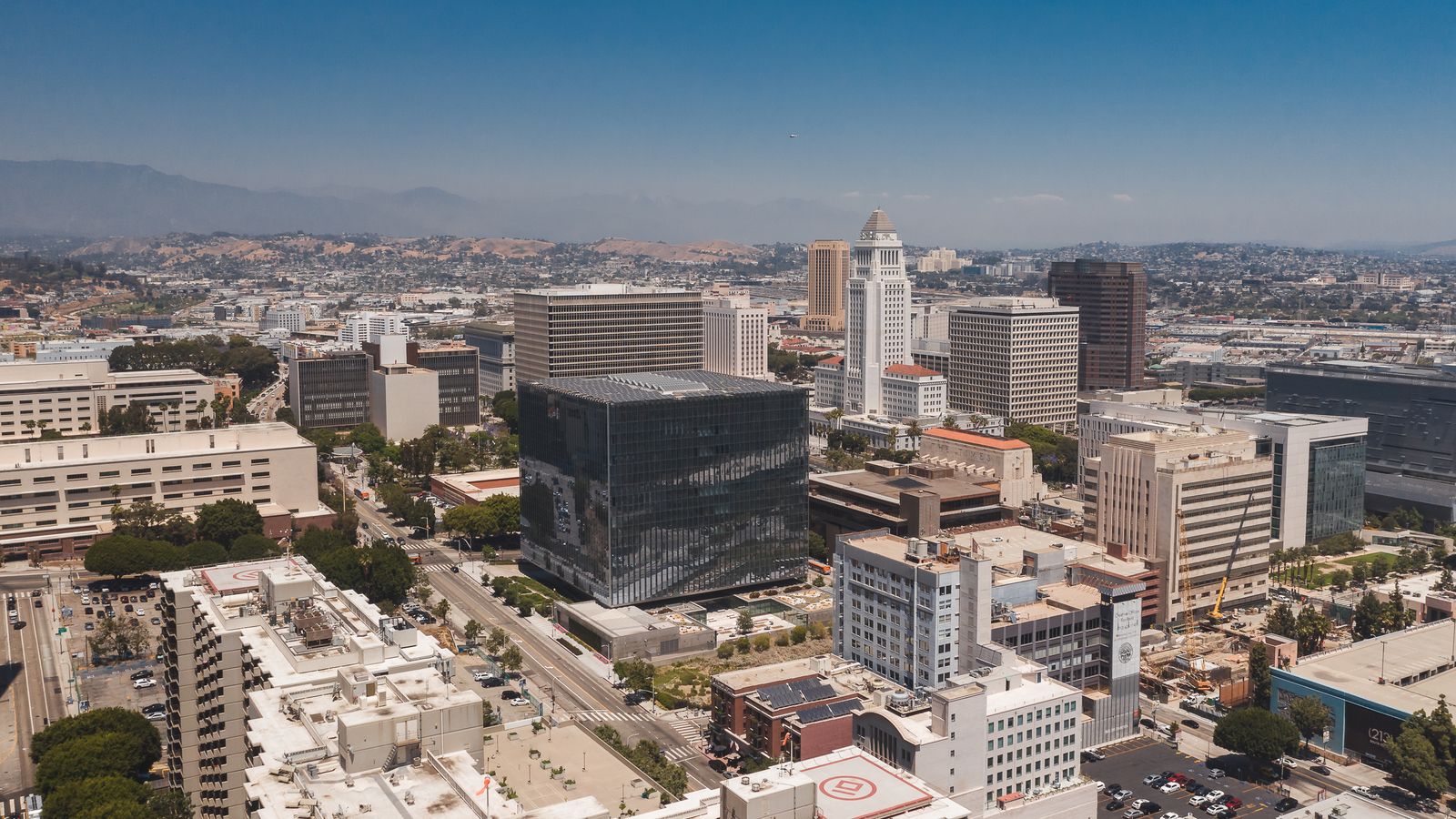
Stunning aerial view of Los Angeles cityscape with modern skyscrapers and blue skies.
Raman Targets Enforcement and Licensing Gaps
Raman's platform centers on closing the enforcement gap between licensed and unlicensed operators that's plagued Los Angeles since Proposition M passed in 2017. The city licenses over 400 cannabis retailers. That's more than any other municipality in the country. But unlicensed storefronts and delivery services still outnumber legal operators by an estimated 3-to-1 ratio according to industry estimates.
The proposal marks the first time a leading mayoral candidate has made cannabis market reform a centerpiece of a campaign platform. Raman represents Council District 4, which includes parts of Hollywood and Silver Lake.
Platform Calls for Dedicated Enforcement Budget
Her plan would allocate $15 million annually from the city's cannabis tax revenue to fund a dedicated enforcement unit within the Los Angeles Police Department and Department of Cannabis Regulation. Los Angeles collected $89.4 million in cannabis tax revenue in fiscal year 2025-2026, but currently dedicates less than 2% of that total to enforcement against unlicensed operators.
The enforcement unit would target storefronts operating without city licenses and unlicensed delivery services advertising on platforms like Weedmaps and Instagram. It also calls for coordination with the California Department of Cannabis Control on shared enforcement actions.
Streamlined Social Equity Licensing Process
Raman's platform includes reforms to the city's social equity program, which has issued fewer than 100 licenses since launching in 2018 despite receiving over 600 applications. The cleanest read on the delays: a verification process that requires applicants to prove residency in disproportionately impacted areas during specific time windows, combined with a capital-access bottleneck that leaves equity applicants unable to secure real estate or financing.
Her proposed fixes include:
- Expanding the definition of eligible applicants to include family members of those with prior cannabis convictions
- Creating a city-backed loan fund capitalized at $25 million for equity licensees
- Reducing application processing times from an average of 18 months to 90 days
- Allowing equity applicants to begin buildout before final license approval
Tax Structure Overhaul Proposed
The platform calls for reducing the city's gross receipts tax on cannabis from 10% to 5% for the first three years of operation for new licensees. Los Angeles currently imposes a 10% tax on gross receipts for retailers and a 6% tax for cultivation and manufacturing, among the highest municipal cannabis tax rates in California.
Licensed operators have argued the tax burden makes it impossible to compete with unlicensed sellers who pay no taxes, particularly when combined with state excise and cultivation taxes totaling 15%. Raman's proposal would offset the revenue loss by increasing enforcement-driven seizures and fines from unlicensed operators.
Real Estate and Zoning Reforms Included
Raman's plan would expand the areas where cannabis retailers can operate by removing buffer-zone restrictions that currently prohibit dispensaries within 700 feet of schools, parks, and libraries. The 700-foot rule is stricter than the state's 600-foot requirement. It's rendered large swaths of the city off-limits to cannabis retail.
Her proposal would replace fixed buffer zones with a discretionary review process that allows the Department of City Planning to evaluate applications on a case-by-case basis. It would also permit cannabis retail in commercial zones currently restricted to medical-only licenses.
What Operators and Advocates Are Watching
The proposal faces implementation hurdles even if Raman wins the mayoral race in November 2026. Any changes to the city's cannabis tax structure require approval from the City Council, where Raman would need eight votes out of fifteen to pass an ordinance. Zoning changes would require a similar supermajority.
For full background on this story, see the CannIntel topic hub on the Los Angeles cannabis market. The next signal: whether other candidates in the mayoral race release competing cannabis platforms before the October 15 candidate forum hosted by the United Cannabis Business Association.
Frequently asked questions
What is the current size of the Los Angeles cannabis market?
Los Angeles operates the largest municipal cannabis market in the United States with over 400 licensed retailers. The city collected $89.4 million in cannabis tax revenue in fiscal year 2025-2026. Industry estimates suggest unlicensed operators outnumber licensed ones by approximately 3-to-1.
How would Nithya Raman fund increased cannabis enforcement?
Raman proposes allocating $15 million annually from the city's cannabis tax revenue to create a dedicated enforcement unit within LAPD and the Department of Cannabis Regulation. Los Angeles currently dedicates less than 2% of its $89.4 million annual cannabis tax revenue to enforcement.
What changes does the platform propose for LA's social equity program?
The plan would reduce application processing from 18 months to 90 days, expand eligibility to family members of those with prior convictions, create a $25 million city-backed loan fund, and allow equity applicants to begin buildout before final license approval.
Would Raman's tax cuts reduce city cannabis revenue?
The proposal reduces the gross receipts tax from 10% to 5% for new licensees' first three years. Raman's platform projects offsetting revenue losses through increased fines and seizures from unlicensed operators targeted by the expanded enforcement unit.
What are the 700-foot buffer zone restrictions in Los Angeles?
Los Angeles currently prohibits cannabis retailers within 700 feet of schools, parks, and libraries — stricter than California's 600-foot state requirement. Raman proposes replacing fixed buffers with case-by-case discretionary review by the Department of City Planning.
Sources
The cannabis newsletter you forward to your team.
Federal policy, market data, grower alerts, and the one story that matters today. Sent every weekday at 7am. Free.
No spam. Unsubscribe with one click. 21+ only.
Related from Business
Missouri Cannabis Workers File Retaliation Claim After Union Meeting
Multiple employees at a Missouri marijuana business say they were terminated following a union organizing meeting, prompting labor complaints.

Florida medical marijuana license winners signal early exit interest
Recent filings suggest at least two of Florida's newly awarded licensees are exploring sale options before launching operations.

Jersey City Cannabis Board Withdraws Support for Tyson.20 Dispensary
The Jersey City Cannabis Control Board reversed its endorsement of a proposed retail site while approving a separate manufacturing facility.
More from the newsroom
DEA Halts Marijuana Rescheduling Hearing Over GAO Report
Administrative law judge pauses proceedings pending Government Accountability Office review of DEA's Schedule III proposal.

EU Drugs Agency Convenes Cannabis Mental Health Forum
The European Monitoring Centre for Drugs and Drug Addiction hosted a closed-door expert roundtable on cannabis use and psychiatric outcomes.

Virginia Releases Draft Adult-Use Cannabis Regulations With Key Gaps
The Cannabis Control Authority published its first regulatory framework for adult-use sales, but critical licensing and equity provisions remain undefined.