Virginia Releases Draft Adult-Use Cannabis Regulations With Key Gaps
The Cannabis Control Authority published its first regulatory framework for adult-use sales, but critical licensing and equity provisions remain undefined.

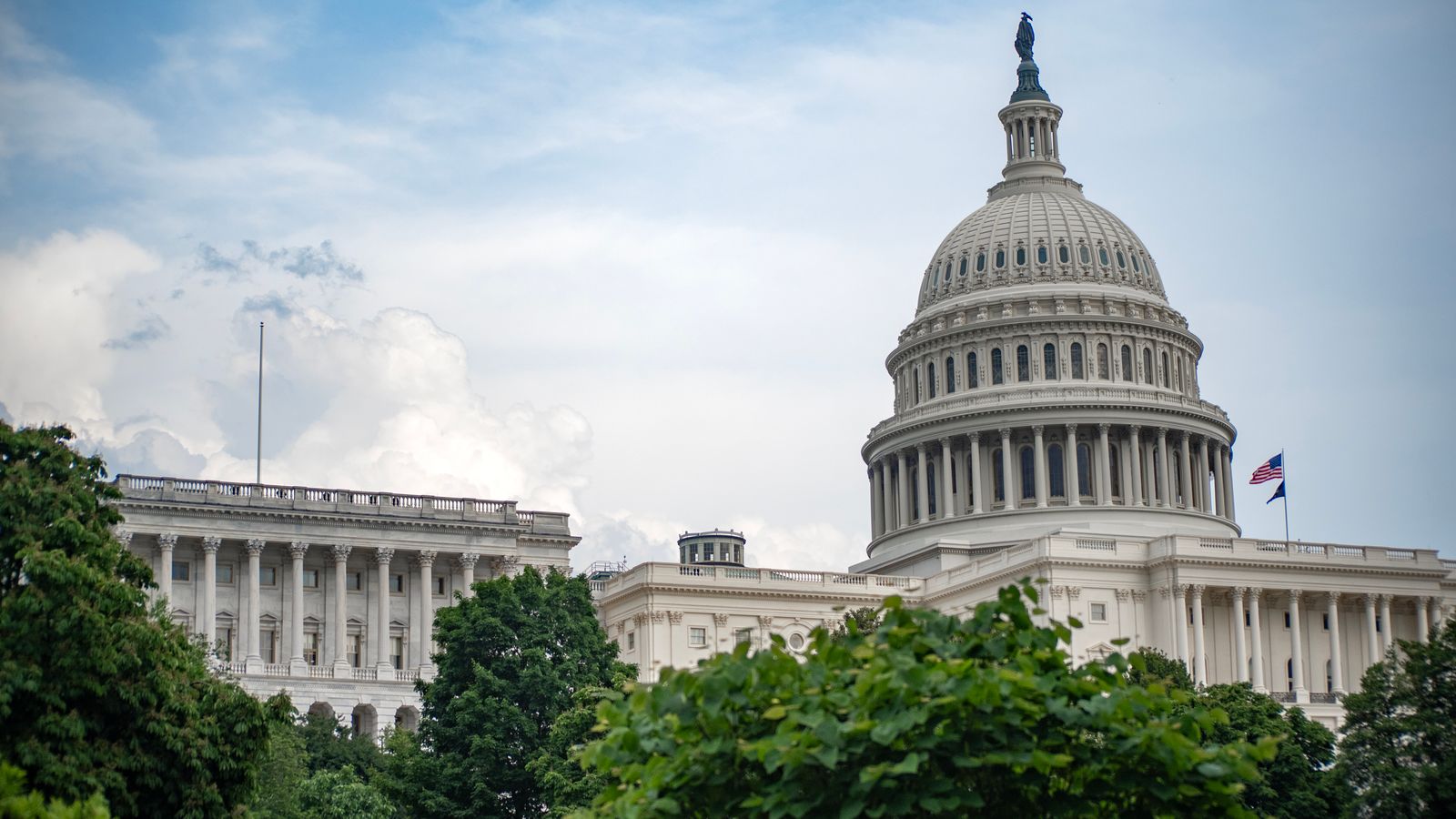
The iconic US Capitol dome framed by lush green trees in Washington, D.C.
Regulatory Framework Published After Two-Year Delay
Virginia's Cannabis Control Authority (CCA) released the state's first comprehensive adult-use cannabis regulations on September 29, 2026, more than two years after voters approved legalization in a 2024 referendum. The draft regulations span cultivation, processing, testing, retail, and delivery operations. Public comment runs 45 days, closing November 13, 2026. Final rules should land by January 2027.
The regulations arrive as Virginia's five existing medical cannabis operators have pressed the CCA for clarity on whether they'll receive priority pathways to adult-use licenses. The draft doesn't specify license caps or conversion timelines for medical dispensaries, a gap that industry attorneys say creates planning uncertainty for operators considering facility expansions.
Cultivation and Product Standards Set, But License Numbers Unclear
The draft establishes tiered cultivation licenses—micro (up to 5,000 sq ft canopy), standard (up to 30,000 sq ft), and large-scale (no cap)—but doesn't specify how many licenses the CCA will issue in each tier. Cultivation facilities must use track-and-trace systems compatible with the state's Metrc platform and submit to quarterly inspections. Outdoor cultivation? Banned in all tiers. Some small-farm advocates argue the restriction will disadvantage rural applicants.
Product testing requirements mirror Virginia's existing medical program: mandatory testing for potency, pesticides, heavy metals, mycotoxins, and microbial contaminants. For edibles, the CCA set THC limits at 10 mg per serving and 100 mg per package, matching limits in Illinois and Massachusetts. Flower products have no per-unit THC cap, though packaging must display total cannabinoid content in milligrams.
Social Equity Provisions Outlined, Scoring Criteria Missing
The draft reserves 30% of all license types for social equity applicants, defined as individuals with prior cannabis convictions or residents of areas with disproportionate arrest rates, but the CCA hasn't published the scoring rubric that will rank applicants. Social equity applicants will receive fee waivers for the first two years and access to a $10 million technical assistance fund established by the 2024 enabling statute.
The absence of a published scoring system means prospective applicants can't yet determine whether criminal justice involvement, residency duration, or business experience will carry the most weight in the licensing process.
Virginia's adult-use law requires the CCA to issue at least 400 retail licenses statewide by 2028, with no more than 25% concentrated in any single health district. Will existing medical dispensaries count against these caps or receive separate allocation? The draft doesn't clarify. For full background on this story, see the CannIntel topic hub on Virginia's adult-use program.
Timeline and Next Steps for Operators
The CCA has scheduled three public hearings in October 2026—in Richmond, Fairfax, and Virginia Beach—and will accept written comments through November 13. Final regulations are expected by January 15, 2027, with the first application window opening in March 2027. Cultivation and processing licenses will be issued first, followed by retail licenses in a second wave beginning in June 2027.
Operators seeking to enter Virginia's market face a compressed timeline. The application window for cultivation licenses will remain open for only 30 days, and the CCA hasn't yet announced whether it'll use a lottery system or merit-based scoring for non-equity applicants. Legal observers note that the lack of clarity on license caps and social equity scoring creates risk for operators making real estate or equipment commitments before final rules are published.
The next signal: whether the CCA publishes social equity scoring criteria before the comment period closes. Without that rubric, applicants can't model their competitive position in what's expected to be a heavily contested licensing round.
For complete background, history, and our ongoing coverage of this story:
Open the CannIntel topic hub →Frequently asked questions
When will Virginia begin issuing adult-use cannabis licenses?
The Cannabis Control Authority plans to open the first application window for cultivation and processing licenses in March 2027, with retail licenses following in June 2027. Final regulations are expected by January 15, 2027.
What are Virginia's THC limits for cannabis edibles?
The draft regulations set a 10 mg THC limit per serving and a 100 mg limit per package for edibles. Flower products have no per-unit THC cap but must display total cannabinoid content in milligrams on packaging.
How does Virginia define social equity applicants for cannabis licenses?
Social equity applicants include individuals with prior cannabis convictions or residents of areas with disproportionate cannabis arrest rates. Thirty percent of all license types are reserved for this category, with fee waivers and access to a $10 million technical assistance fund.
Will Virginia's existing medical cannabis operators receive priority for adult-use licenses?
The draft regulations don't specify whether medical operators will receive automatic conversion rights or priority pathways. The CCA hasn't clarified whether medical dispensaries will count against the statewide retail license cap.
How many cannabis retail licenses will Virginia issue?
Virginia's adult-use law requires the CCA to issue at least 400 retail licenses statewide by 2028, with no more than 25% in any single health district. The draft doesn't specify how many licenses will be issued in the first application round.
Sources
The cannabis newsletter you forward to your team.
Federal policy, market data, grower alerts, and the one story that matters today. Sent every weekday at 7am. Free.
No spam. Unsubscribe with one click. 21+ only.
Related from Laws
DEA Halts Marijuana Rescheduling Hearing Over GAO Report
Administrative law judge pauses proceedings pending Government Accountability Office review of DEA's Schedule III proposal.

Federal Marijuana Pardon Covers 6,500 Simple Possession Cases—But Leaves Most Convictions Untouched
Presidential pardons for federal marijuana possession apply to a narrow class of offenses, excluding distribution, state crimes, and most felony records.

Massachusetts Voters Favor Keeping Legal Cannabis, New Polls Show
Polling data released this week shows strong majority support for maintaining the state's adult-use program ahead of November ballot question.
More from the newsroom

LA Mayoral Frontrunner Nithya Raman Unveils Fix for 'Broken' Cannabis Market
City Councilmember proposes sweeping reforms to the largest municipal cannabis market in the United States.

EU Drugs Agency Convenes Cannabis Mental Health Forum
The European Monitoring Centre for Drugs and Drug Addiction hosted a closed-door expert roundtable on cannabis use and psychiatric outcomes.

ICE Detains 21 in Southern Oregon Cannabis Farm Raids
Immigration enforcement swept multiple cultivation sites in Jackson and Josephine counties, raising labor-supply questions for the state's outdoor harvest.