DEA Halts Marijuana Rescheduling Hearing Over GAO Report
Administrative law judge pauses proceedings pending Government Accountability Office review of DEA's Schedule III proposal.
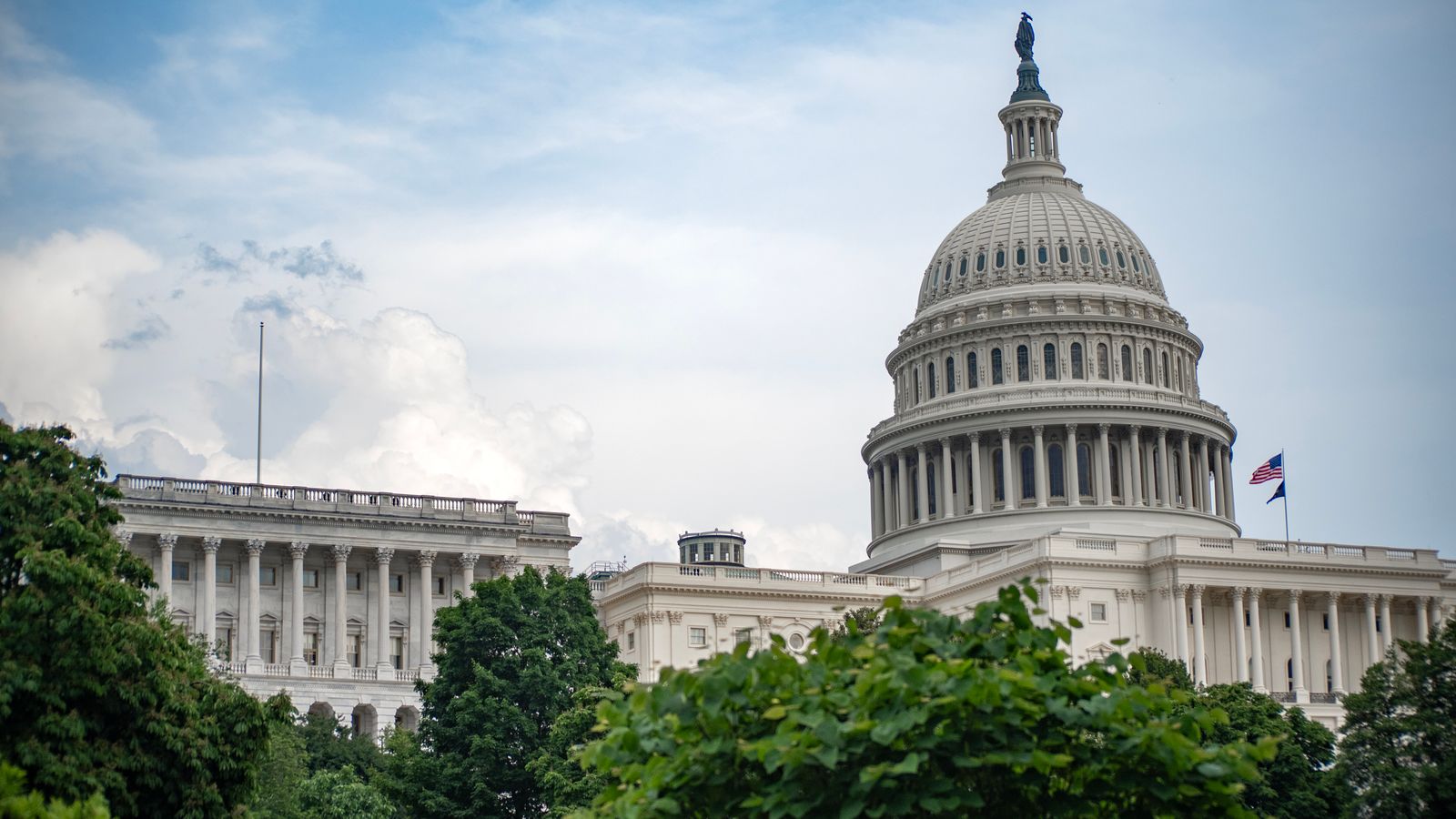
The US Capitol Building in Washington DC, an iconic symbol of the American government.
Hearing Suspended Indefinitely
The administrative law judge overseeing the DEA's rescheduling proceeding issued a stay order on September 29, citing the pending GAO report as grounds for delay. The hearing was originally scheduled to begin in late 2026. It was expected to feature testimony from medical researchers, state regulators, and industry stakeholders on the scientific and policy justifications for rescheduling cannabis.
Members of Congress requested the GAO report earlier this year to evaluate the DEA's methodology in assessing cannabis's medical utility and abuse potential. According to the judge's order, the hearing will remain suspended until the GAO completes its review and the DEA has an opportunity to respond to any findings.
No new hearing date has been set. The stay order doesn't address whether the GAO report will ultimately support or challenge the DEA's proposed rescheduling, but the delay signals that unresolved procedural or substantive questions remain in play.
What the GAO Review Covers
The Government Accountability Office is examining whether the DEA followed proper protocols in evaluating cannabis under the eight-factor analysis required by the Controlled Substances Act. That analysis includes assessments of a drug's medical use, abuse potential, pharmacological effects, and risk of physical or psychological dependence.
The GAO's mandate is to determine whether the DEA's rescheduling recommendation aligns with the evidentiary standards set by federal law and whether the agency adequately consulted with the Department of Health and Human Services.
The DEA's proposal to move cannabis to Schedule III followed a 2022 directive from President Biden instructing the agency to review marijuana's classification. HHS recommended rescheduling in 2023, citing accepted medical use for conditions including chronic pain, nausea, and appetite stimulation in patients undergoing chemotherapy.
Schedule III drugs—such as ketamine, anabolic steroids, and certain codeine preparations—are recognized as having medical utility but still carry restrictions on prescribing and distribution. Rescheduling wouldn't federally legalize cannabis but would eliminate the Section 280E tax penalty that currently prohibits state-licensed cannabis businesses from deducting ordinary business expenses.
Industry and Enforcement Implications
If rescheduling proceeds, multistate operators stand to gain the most from 280E relief, which industry analysts estimate could improve effective tax rates by 30 to 50 percentage points. But the hearing delay injects fresh uncertainty into capital markets. Cannabis equities have priced in varying degrees of rescheduling probability over the past two years.
For hemp-derived THC products—particularly THCA flower and delta-8 THC—the rescheduling question is more complex. Schedule III classification would still prohibit non-prescription distribution. That means the current gray-market hemp loophole would remain in legal limbo. The DEA hasn't clarified whether rescheduling would trigger new enforcement priorities for hemp-derived intoxicants that exceed 0.3% delta-9 THC on a dry-weight basis but fall under the 2018 Farm Bill's definitional carve-out.
State regulators in markets like California, New York, and Ohio have signaled they'll continue enforcing state-specific THC limits regardless of federal scheduling changes. Enforcement will vary.
What Happens Next
The GAO report is expected in the fourth quarter of 2026, though no firm release date has been announced. Once published, the DEA will have an opportunity to file a formal response, and the administrative law judge will determine whether the hearing can proceed or whether additional procedural steps are required.
If the GAO identifies procedural deficiencies in the DEA's eight-factor analysis, the agency could be forced to re-evaluate portions of its rescheduling recommendation. That would delay any final rule even further. Alternatively, if the GAO report validates the DEA's methodology, the hearing could resume quickly, with a final decision possible in early 2027.
For now, the rescheduling timeline is on hold. The next signal to watch: the GAO report's release date and whether it raises substantive questions about the DEA's evidentiary basis for Schedule III classification. This is unsettled territory. The procedural pause underscores how far the process still has to go.
For full background on this story, see the CannIntel topic hub on DEA rescheduling.
For complete background, history, and our ongoing coverage of this story:
Open the CannIntel topic hub →Frequently asked questions
Why was the DEA rescheduling hearing halted?
The administrative law judge ordered a stay pending release of a Government Accountability Office report examining whether the DEA followed proper protocols in proposing to move cannabis from Schedule I to Schedule III.
What does Schedule III classification mean for cannabis?
Schedule III drugs have recognized medical use but remain controlled substances. Rescheduling would eliminate the Section 280E tax penalty for state-licensed operators but would not federally legalize cannabis or permit non-prescription distribution.
When will the GAO report be released?
The GAO report is expected in the fourth quarter of 2026, but no firm date has been announced. The hearing will remain suspended until the report is published and the DEA responds to any findings.
How does this affect hemp-derived THC products?
Rescheduling to Schedule III would not resolve the legal status of hemp-derived intoxicants like THCA flower or delta-8 THC. These products would still face federal and state enforcement questions, and the 2018 Farm Bill's 0.3% delta-9 THC threshold would remain in effect.
What is Section 280E?
Section 280E of the Internal Revenue Code prohibits businesses trafficking in Schedule I or II controlled substances from deducting ordinary business expenses. Cannabis operators currently face effective tax rates of 70% or higher due to this provision.
Sources
The cannabis newsletter you forward to your team.
Federal policy, market data, grower alerts, and the one story that matters today. Sent every weekday at 7am. Free.
No spam. Unsubscribe with one click. 21+ only.
Related from Laws

New York OCM Bars Sale of First Social Equity Medical Crop One Year After Inspection
The Office of Cannabis Management has deemed the state's inaugural social equity medical licensee's harvest unsaleable, twelve months after inspecting the farm.

Virginia Releases Draft Adult-Use Cannabis Regulations With Key Gaps
The Cannabis Control Authority published its first regulatory framework for adult-use sales, but critical licensing and equity provisions remain undefined.

Federal Marijuana Pardon Covers 6,500 Simple Possession Cases—But Leaves Most Convictions Untouched
Presidential pardons for federal marijuana possession apply to a narrow class of offenses, excluding distribution, state crimes, and most felony records.
More from the newsroom

LA Mayoral Frontrunner Nithya Raman Unveils Fix for 'Broken' Cannabis Market
City Councilmember proposes sweeping reforms to the largest municipal cannabis market in the United States.

EU Drugs Agency Convenes Cannabis Mental Health Forum
The European Monitoring Centre for Drugs and Drug Addiction hosted a closed-door expert roundtable on cannabis use and psychiatric outcomes.

ICE Detains 21 in Southern Oregon Cannabis Farm Raids
Immigration enforcement swept multiple cultivation sites in Jackson and Josephine counties, raising labor-supply questions for the state's outdoor harvest.