Missouri Cannabis Workers File Retaliation Claim After Union Meeting
Multiple employees at a Missouri marijuana business say they were terminated following a union organizing meeting, prompting labor complaints.
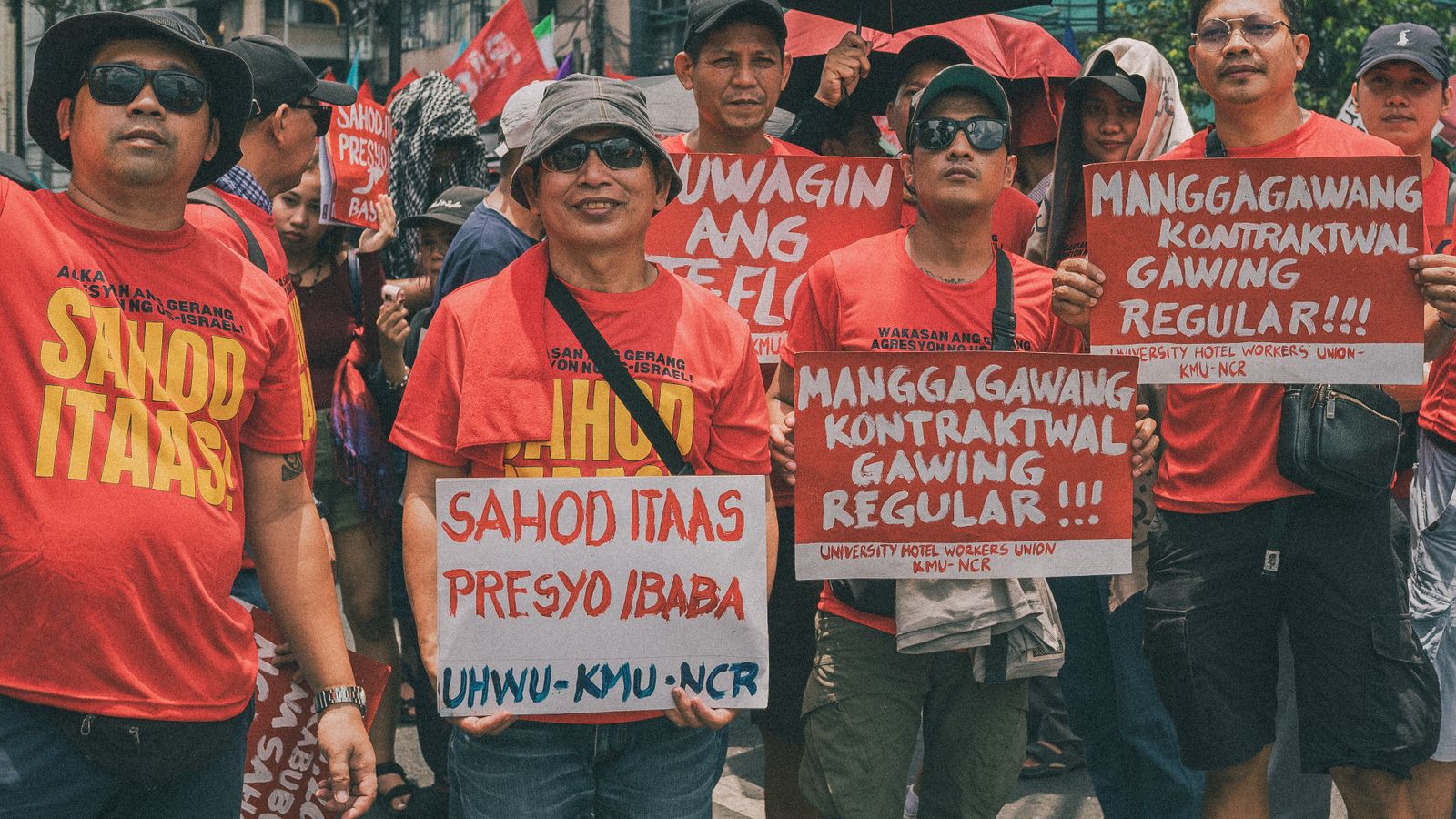
A group of adults protesting for regularization and higher wages in Manila.
Alleged Retaliatory Firings Follow Organizing Effort
Multiple employees at a Missouri marijuana business were terminated shortly after holding a union organizing meeting, according to labor complaints filed with state and federal agencies. The workers, whose names haven't been publicly disclosed, allege the firings were direct retaliation for their organizing activities. Complaints went in within days of the terminations.
Initial reporting hasn't identified the Missouri cannabis facility. Through the National Labor Relations Board complaint process, the workers are seeking reinstatement and back pay.
Missouri's Cannabis Labor Landscape
Missouri's medical marijuana program, which launched in 2023, has seen minimal union activity compared to mature markets like California and Illinois. The state's 192 licensed cultivation and manufacturing facilities employ an estimated 4,200 workers, according to state data through August 2026. Not one of those facilities currently operates under a collective bargaining agreement.
This lack of organized labor stands in contrast to states like New Jersey and New York, where union agreements have been negotiated at dozens of facilities. Industry observers attribute the difference to Missouri's right-to-work laws and the relative youth of the state's program.
Federal Labor Protections Apply to Cannabis Workers
Despite cannabis remaining federally prohibited under the Controlled Substances Act, the National Labor Relations Board has consistently held that cannabis workers are entitled to full protections under the National Labor Relations Act. That 2019 precedent, established in a California case, applies nationwide.
The NLRB's position is unambiguous: cannabis workers have the same organizing rights as any other private-sector employees, regardless of the product's federal legal status.
Retaliatory terminations for union activity carry significant penalties:
- Mandatory reinstatement of fired workers
- Back pay with interest from termination date
- Posting of remedial notices at the workplace
- Potential cease-and-desist orders against the employer
Pattern of Labor Disputes in Cannabis Industry
The Missouri case follows a wave of labor organizing across the U.S. cannabis sector, with NLRB filings up 34% year-over-year in 2026. Massachusetts, Michigan, and Pennsylvania have each seen multiple unfair labor practice charges filed against cannabis operators this year.
A Pennsylvania cultivation facility settled a similar retaliation case in August for an undisclosed sum after workers were terminated following a union authorization card drive. That case was resolved before an administrative law judge hearing.
Economic Stakes for Missouri Operators
Missouri's medical marijuana market generated $418 million in sales through July 2026, with cultivation and manufacturing profit margins averaging 22-28% according to state financial disclosures. Labor costs represent the second-largest expense category for most operators after cost of goods sold.
Unionization typically increases total compensation costs by 15-20% when benefits and work rules are factored in, according to cannabis-industry labor consultants. That margin pressure comes as Missouri wholesale flower prices have declined 19% since January 2026, squeezing operators already contending with oversupply and regulatory compliance costs that can run six figures annually.
For context on labor dynamics across the cannabis sector, see the CannIntel topic hub on cannabis labor and unions.
What Happens Next
The NLRB's St. Louis regional office will investigate the complaints and determine whether to issue a formal complaint against the employer. That process typically takes 60-90 days. If the Board finds merit, the case would proceed to an administrative law judge hearing.
The workers' legal team is expected to seek a Section 10(j) injunction, an emergency order requiring immediate reinstatement while the case proceeds. Such injunctions are granted in fewer than 5% of cases. They're more common in alleged retaliatory discharge cases.
Watch for this: whether Missouri's Department of Health and Senior Services, which regulates medical marijuana facilities, opens a parallel investigation into the alleged labor violations.
For complete background, history, and our ongoing coverage of this story:
Open the CannIntel topic hub →Sources
The cannabis newsletter you forward to your team.
Federal policy, market data, grower alerts, and the one story that matters today. Sent every weekday at 7am. Free.
No spam. Unsubscribe with one click. 21+ only.
Related from Business

Florida medical marijuana license winners signal early exit interest
Recent filings suggest at least two of Florida's newly awarded licensees are exploring sale options before launching operations.

Jersey City Cannabis Board Withdraws Support for Tyson.20 Dispensary
The Jersey City Cannabis Control Board reversed its endorsement of a proposed retail site while approving a separate manufacturing facility.
Missouri Dispensary Fires 12 Workers as Union Fight Erupts
Twelve employees were terminated at a Missouri cannabis dispensary amid an escalating labor dispute over unionization efforts.
More from the newsroom

ICE Detains 21 in Southern Oregon Cannabis Farm Raids
Immigration enforcement swept multiple cultivation sites in Jackson and Josephine counties, raising labor-supply questions for the state's outdoor harvest.

Federal Marijuana Pardon Covers 6,500 Simple Possession Cases—But Leaves Most Convictions Untouched
Presidential pardons for federal marijuana possession apply to a narrow class of offenses, excluding distribution, state crimes, and most felony records.

Massachusetts Voters Favor Keeping Legal Cannabis, New Polls Show
Polling data released this week shows strong majority support for maintaining the state's adult-use program ahead of November ballot question.