Missouri Dispensary Fires 12 Workers as Union Fight Erupts
Twelve employees were terminated at a Missouri cannabis dispensary amid an escalating labor dispute over unionization efforts.
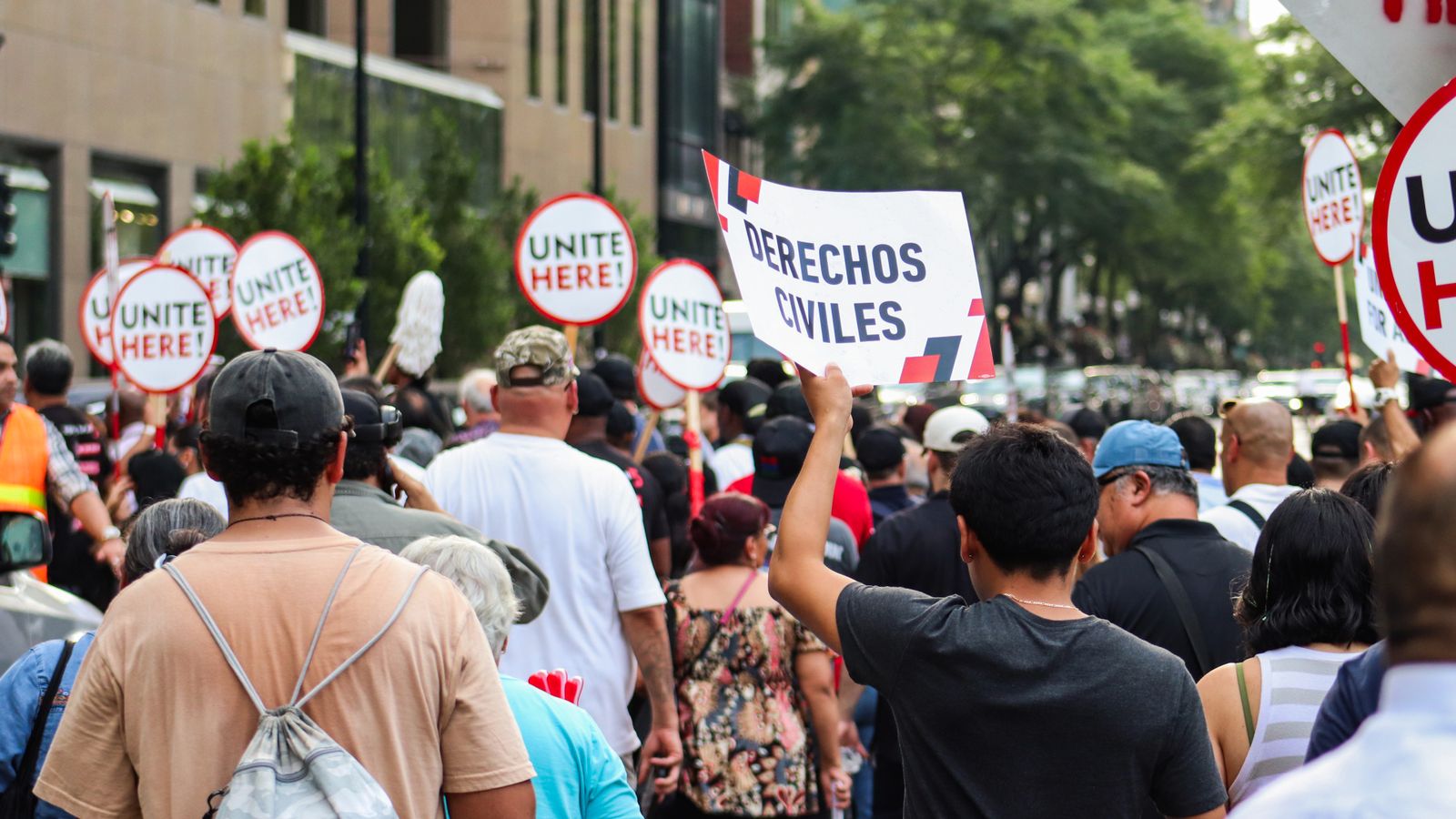
Protest in Chicago advocating for workers' rights, unity, and equality.
The Firings and Timeline
Twelve dispensary employees were terminated on September 28, 2026, according to union representatives who say the workers were organizing a unionization campaign. The dispensary's name hasn't been disclosed in initial reports, but the Missouri Independent confirmed the terminations occurred at a licensed retail location in the state.
Timing matters here. Missouri's adult-use cannabis market launched in February 2023, and labor organizing has accelerated as the industry matures. Workers at multiple dispensaries have filed unfair labor practice charges with the National Labor Relations Board over the past 18 months.
Union organizers say the 12 workers represented nearly half the dispensary's staff. Management hasn't issued a public statement explaining the terminations.
Union Allegations of Retaliation
Labor organizers claim the firings were retaliatory and designed to suppress a union election scheduled for October 2026. The workers had been in contact with the United Food and Commercial Workers Local 655, which represents cannabis employees at several Missouri dispensaries.
The simplest explanation? Management acted preemptively. Federal labor law prohibits firing workers for union activity, but enforcement is slow. NLRB cases average 18 months from filing to resolution, and penalties are limited to back pay and reinstatement.
UFCW Local 655 hasn't yet filed an unfair labor practice charge, but organizers say they're gathering affidavits from the terminated workers. If the NLRB finds merit, the dispensary could be ordered to reinstate the employees and hold a new election under board supervision.
Missouri's Cannabis Labor Landscape
Missouri's cannabis workforce is estimated at 8,000 employees across cultivation, manufacturing, and retail, with union density below 5 percent. That's lower than Illinois, where UFCW and the Teamsters have organized roughly 20 percent of the state's cannabis workers.
Wages in Missouri dispensaries range from $13 to $18 per hour for entry-level budtenders. Benefits are limited. Turnover exceeds 60 percent annually at some retailers, according to industry surveys, while union contracts in Illinois have secured starting wages of $17 to $22 per hour plus health insurance.
The state's cannabis law includes no labor protections beyond federal minimums. Operators aren't required to recognize unions or enter collective bargaining, though they must comply with NLRA rules prohibiting retaliation.
What Federal Labor Law Requires
The National Labor Relations Act protects workers' right to organize and prohibits employers from firing or disciplining employees for union activity. Violations trigger NLRB investigations, but the process is lengthy and remedies are often inadequate.
Employers found guilty of unlawful termination must reinstate workers and provide back pay, but criminal penalties don't exist. The NLRB can order a company to post notices and hold supervised elections, yet many labor scholars argue the penalties are too weak to deter violations.
In cannabis, the dynamic is complicated by federal illegality. Some operators have argued that NLRB jurisdiction is unclear because cannabis remains a Schedule I substance, though the board has consistently asserted authority over state-legal cannabis businesses since 2019.
Broader Industry Organizing Momentum
Cannabis workers in seven states filed union petitions in 2025, with Illinois, Massachusetts, and New York leading in successful elections. The momentum reflects broader labor trends, including the resurgence of organizing in retail and hospitality sectors.
UFCW represents roughly 10,000 cannabis workers nationwide. That makes it the largest union in the industry. The Teamsters and the United Steelworkers have also organized cultivation and processing facilities in states with mature markets.
Missouri's fight is notable because adult-use sales only began 19 months ago. Most organizing campaigns emerge in markets that are at least three years old, when workers have accumulated enough grievances and the industry has stabilized enough to support collective bargaining.
What Happens Next
The fired workers have three paths. They can file an unfair labor practice charge with the NLRB, pursue wrongful termination claims under Missouri employment law, or organize a public pressure campaign to force reinstatement. All three are likely.
The NLRB's St. Louis office will investigate if a charge is filed. If the regional director finds merit, the case moves to an administrative law judge—a process that typically takes 12 to 24 months. For context, see the CannIntel topic hub on cannabis labor and unions for background on similar disputes in other states.
Watch whether UFCW files a formal charge this week. If the union moves quickly, the NLRB could issue a complaint by November and seek an injunction requiring immediate reinstatement while the case proceeds.
Frequently asked questions
Can cannabis employers legally fire workers for union activity?
No. The National Labor Relations Act prohibits firing or disciplining workers for organizing or supporting a union. Violations trigger NLRB investigations, and employers found guilty must reinstate workers and provide back pay, though the process can take 18 months or longer.
How common are unions in the cannabis industry?
Union density in cannabis is below 10 percent nationwide. UFCW represents roughly 10,000 workers, mostly in Illinois, Massachusetts, and New York. Missouri's cannabis workforce is estimated at 8,000, with union density below 5 percent.
What wages do Missouri dispensary workers earn?
Entry-level budtenders in Missouri earn $13 to $18 per hour, typically without health benefits. That's lower than union contracts in Illinois, which guarantee starting wages of $17 to $22 per hour plus health insurance.
Does federal cannabis prohibition affect labor organizing?
Not directly. The NLRB has asserted jurisdiction over state-legal cannabis businesses since 2019, ruling that federal labor protections apply regardless of Schedule I status. Some employers have challenged this, but courts have consistently sided with the board.
What remedies are available to wrongfully terminated cannabis workers?
Workers can file unfair labor practice charges with the NLRB, seeking reinstatement and back pay. They can also pursue wrongful termination claims under state employment law or organize public pressure campaigns. NLRB cases average 18 months from filing to resolution.
Sources
The cannabis newsletter you forward to your team.
Federal policy, market data, grower alerts, and the one story that matters today. Sent every weekday at 7am. Free.
No spam. Unsubscribe with one click. 21+ only.
Related from Business

Chinese-Owned Firm Takes Over Cann Group's Mildura Cannabis Farm
A Chinese pharmaceutical company has acquired operational control of one of Australia's largest medicinal cannabis cultivation facilities.

Safe Harbor Financial Sets 1-for-12 Reverse Split for Nasdaq Uplisting
The cannabis banking firm will consolidate shares to meet Nasdaq's minimum bid-price requirement ahead of its planned exchange debut.

Global Medical Cannabis Market Hits $28B as Europe, LATAM Drive Growth
International medical cannabis sales grew 34% year-over-year in 2026, outpacing U.S. growth for the first time since 2019.
More from the newsroom

Pennsylvania Advances Bill Allowing Medical Marijuana in Hospitals
Terminally ill patients could use medical cannabis in Pennsylvania hospitals under legislation advancing through the state legislature.

Missouri HB 2641 Brings Hemp Cannabinoid Sales to Dispensaries
New law authorizes licensed cannabis retailers to sell hemp-derived products under state oversight for the first time.

Heyliger-Marten Warns Parliament Cannabis Law Rejection Risks Native Nations
Sint Maarten's Prime Minister links parliamentary approval of pending cannabis legislation to financial obligations tied to the Native Nations entity.