Global Medical Cannabis Market Hits $28B as Europe, LATAM Drive Growth
International medical cannabis sales grew 34% year-over-year in 2026, outpacing U.S. growth for the first time since 2019.

Cannabis leaf alongside Scrabble tiles spelling 'medicine', highlighting natural remedies.
Europe Leads International Growth With Germany, UK Driving Volume
European medical cannabis sales totaled €9.2 billion ($10.1 billion) through September 2026, a 41% increase from the prior-year period. Germany accounted for 38% of European volume, with the UK contributing 22% and France 14%. Germany's April 2025 regulatory reforms—which expanded the list of qualifying conditions and removed prior-authorization requirements for chronic pain—drove a 63% year-over-year increase in patient registrations.
The UK's National Health Service added cannabis-based medicinal products to its formulary in January 2026, covering treatment for multiple sclerosis, epilepsy, and chemotherapy-induced nausea. Patient counts in the UK surged from 87,000 in December 2025 to 214,000 by August 2026.
Poland launched its national medical cannabis program in June 2026, enrolling 41,000 patients in the first three months. Italy expanded cultivation licenses from 12 to 47 growers, increasing domestic supply by 220% and reducing import dependency.
Latin America Emerges as Export Hub With Colombia, Uruguay Leading
Colombia exported 142 metric tons of dried cannabis flower and 18,000 liters of cannabis oil in the first eight months of 2026, generating $387 million in revenue. Export volume grew 89% year-over-year. Germany, the UK, and Australia were primary destinations. Colombian cultivators benefit from year-round growing conditions and labor costs 60-75% below European equivalents.
Uruguay's state-controlled medical export program shipped 34 metric tons to international buyers in 2026, up from 19 tons in 2025. The government authorized 11 new export licenses in March, expanding the country's cultivation footprint by 340 hectares.
- Brazil approved 1,247 new medical cannabis products for import in 2026, a 103% increase from 2025.
- Mexico's regulatory framework for medical cannabis imports took effect in May 2026, opening a market of 128 million people.
- Argentina expanded its domestic cultivation program, issuing 89 new licenses to supply the national medical registry.
Asia-Pacific Markets Open With Thailand, Australia Posting Triple-Digit Growth
Thailand's medical cannabis market generated ฿8.4 billion ($240 million) in sales through August 2026, up 187% from the prior year. The country's June 2025 legalization of home cultivation for medical purposes created a fragmented supply chain of 127,000 registered household growers and 2,400 licensed dispensaries.
Australia's Therapeutic Goods Administration approved 47 new cannabis-based medicines in 2026, bringing the total formulary to 214 products. Patient prescriptions grew 94% year-over-year, reaching 389,000 active patients by September. Domestic cultivation expanded to meet demand, with licensed production rising from 68 tons in 2025 to 143 tons in 2026.
Israel—historically the global leader in medical cannabis research—exported $118 million in cannabis products in 2026, a 29% increase. The country's export-focused regulatory framework positions it as a premium supplier to European markets, with 67% of shipments destined for Germany and the Netherlands.
Regulatory Divergence Creates Compliance Challenges for Cross-Border Operators
International operators face fragmented regulatory regimes with varying THC limits, packaging standards, and import-export protocols across 34 countries with active medical programs. Germany permits THC concentrations up to 25% in dried flower, while France caps medical products at 0.3% THC for most indications. The UK requires child-resistant packaging and tamper-evident seals; Italy mandates pharmacy-only distribution.
Cross-border shipments require certificates of analysis from ISO 17025-accredited laboratories, good manufacturing practice (GMP) certifications, and narcotic export permits. Compliance costs for multi-jurisdiction operators range from $1.2 million to $3.8 million annually, according to industry estimates.
The European Medicines Agency launched a pilot harmonization program in July 2026, aiming to standardize testing protocols and labeling requirements across EU member states by 2028. Participation remains voluntary. Only 14 of 27 member states have joined the initiative.
Investment Capital Shifts Toward International Markets as U.S. Reform Stalls
Venture capital and private equity deployed $4.7 billion into international cannabis companies in the first three quarters of 2026, a 76% increase from the prior year and the first time international deals exceeded U.S. investment. European cultivators and Asia-Pacific distributors captured 61% of deal flow, with an average valuation multiple of 3.2x forward revenue—compared to 1.8x for U.S. MSOs.
Institutional investors cite regulatory clarity and export optionality as key drivers. Germany's medical framework carries federal legal certainty; U.S. operators remain subject to Section 280E tax penalties and interstate commerce restrictions. Cross-border operators can arbitrage production costs, cultivating in Colombia or Uruguay and distributing across multiple jurisdictions.
Public-market performance reflects the shift. The Global Cannabis Stock Index—tracking 47 international operators—returned 28% year-to-date through September 2026, compared to a 4% decline for the MSOS U.S. cannabis ETF.
For comprehensive analysis of international medical cannabis regulatory frameworks and market dynamics, see the CannIntel topic hub on International Medical Cannabis Markets.
Frequently asked questions
Which countries are leading international medical cannabis growth in 2026?
Germany leads European sales with 38% market share, followed by the UK at 22%. Colombia dominates Latin American exports with 142 metric tons shipped, while Thailand posted 187% year-over-year growth in Asia-Pacific. Australia's patient base grew 94% to 389,000 active prescriptions.
How does international medical cannabis regulation differ from the U.S. framework?
International medical programs operate under federal legal frameworks with clear regulatory pathways, while U.S. operators face state-by-state fragmentation and federal Schedule I restrictions. European markets permit cross-border trade within the EU; U.S. interstate commerce remains prohibited. International operators avoid Section 280E tax penalties.
Why is investment capital shifting toward international cannabis markets?
Institutional investors cite regulatory certainty, export optionality, and cost arbitrage as key factors. International operators can cultivate in low-cost jurisdictions like Colombia and distribute across multiple countries. The Global Cannabis Stock Index returned 28% year-to-date versus a 4% decline for U.S. cannabis equities.
What are the compliance challenges for cross-border cannabis operators?
Operators navigate 34 distinct regulatory regimes with varying THC limits, packaging standards, and import-export protocols. Compliance costs range from $1.2 million to $3.8 million annually. Shipments require ISO 17025-accredited lab testing, GMP certifications, and narcotic export permits for each jurisdiction.
How large is the international medical cannabis market compared to the U.S.?
The international medical cannabis market reached $28 billion through Q3 2026, compared to approximately $24 billion for the U.S. medical market over the same period. International sales grew 34% year-over-year, outpacing U.S. growth of 11%, marking a structural shift in the global cannabis economy.
Sources
The cannabis newsletter you forward to your team.
Federal policy, market data, grower alerts, and the one story that matters today. Sent every weekday at 7am. Free.
No spam. Unsubscribe with one click. 21+ only.
Related from Business
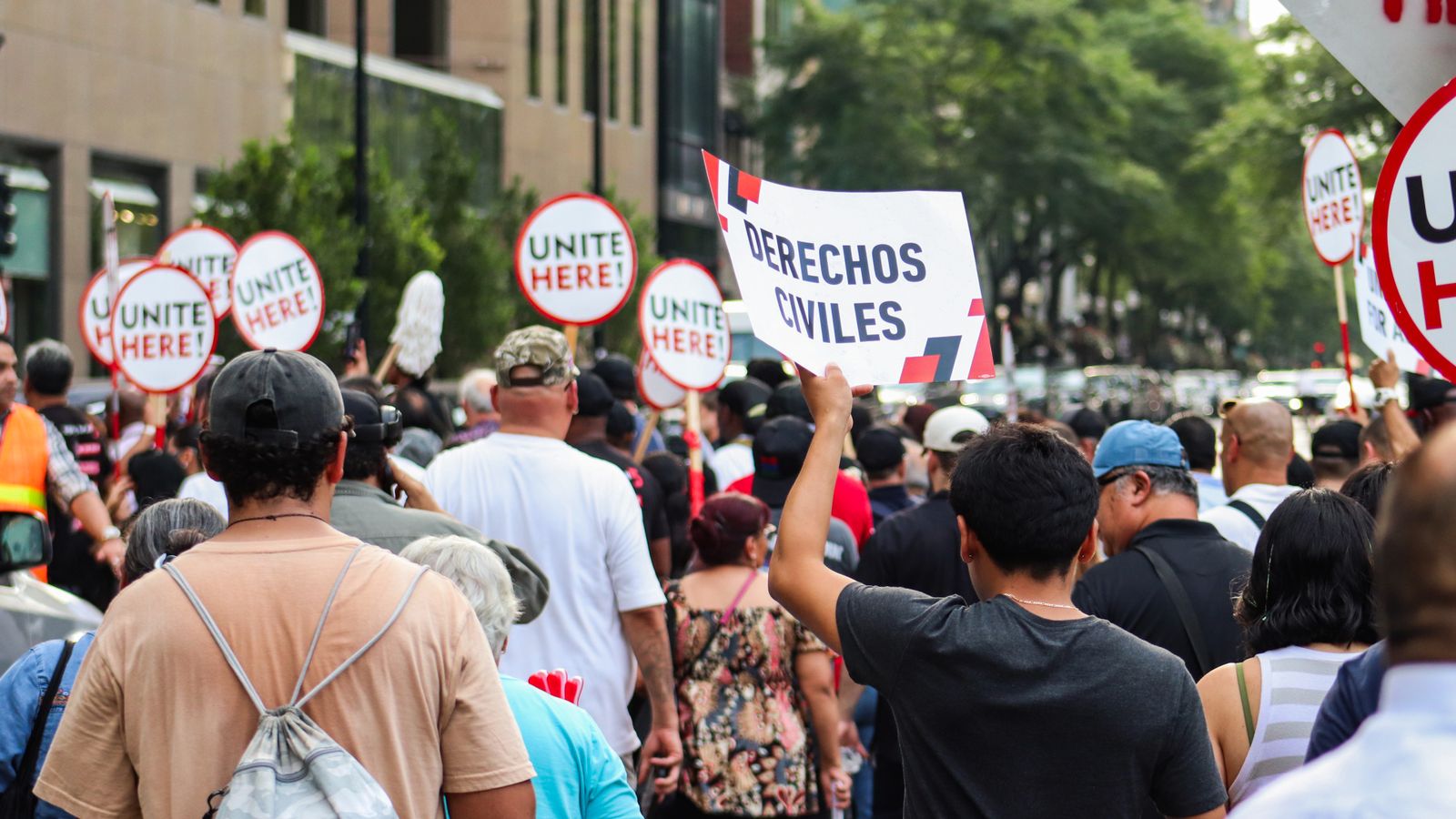
Missouri Dispensary Fires 12 Workers as Union Fight Erupts
Twelve employees were terminated at a Missouri cannabis dispensary amid an escalating labor dispute over unionization efforts.

Chinese-Owned Firm Takes Over Cann Group's Mildura Cannabis Farm
A Chinese pharmaceutical company has acquired operational control of one of Australia's largest medicinal cannabis cultivation facilities.

Safe Harbor Financial Sets 1-for-12 Reverse Split for Nasdaq Uplisting
The cannabis banking firm will consolidate shares to meet Nasdaq's minimum bid-price requirement ahead of its planned exchange debut.
More from the newsroom

No on 8 Campaign Releases First Ads Focused on Public Health
Opposition to California's Proposition 8 cannabis repeal launches television spots emphasizing regulated market safety and youth protection.

DEA and FDA Drug Scheduling Process Faces Accountability Criticism
Libertarian analysis argues federal drug-ban procedures lack transparency and consistent review standards.

First National Study Counts 110,000 Medical Cannabis Caregivers
New research provides the first comprehensive estimate of designated caregivers dispensing medical cannabis to patients across U.S. state programs.