Hydroponics Retailer Closes 12 Stores Amid Cannabis Market Contraction
A major cultivation supply chain provider shuttered a dozen locations in May 2026 as licensed grower demand softens.
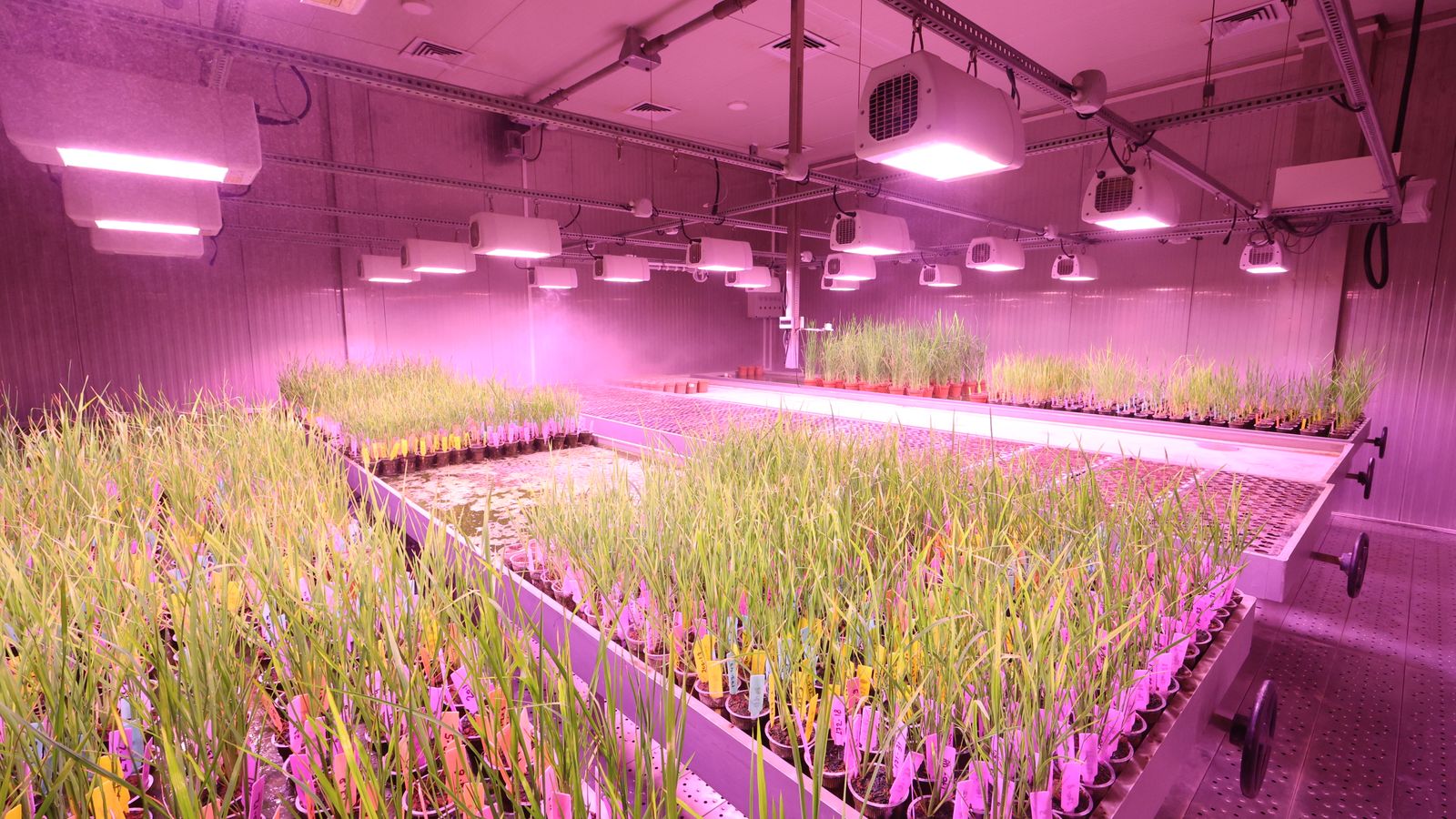
High-tech indoor plant laboratory using LED lights for research.
Store Closures Signal Broader Cultivation Slowdown
The retailer's decision to shutter 12 locations reflects declining equipment demand from licensed cannabis cultivators operating under tightening economics. While the report didn't name the specific company, the move aligns with broader sector trends: wholesale cannabis prices have fallen 30-40% year-over-year in California, Michigan, and Oklahoma, forcing growers to delay capital expenditures on lighting, irrigation, and environmental controls.
State licensing data tells the story. Active cultivation licenses have plateaued or declined in at least seven adult-use states since Q4 2025. Retailers serving this customer base—selling grow tents, nutrients, LED systems, and HVAC equipment—have reported sequential revenue declines for three consecutive quarters.
Tax Treatment Compounds Grower Capital Constraints
IRC §280E prohibits cannabis cultivators from deducting ordinary business expenses, amplifying the cash-flow impact of falling wholesale prices and limiting reinvestment in cultivation infrastructure. Under §280E, growers may deduct only cost of goods sold (COGS), which includes direct production costs but excludes marketing, rent (in most interpretations), and depreciation on non-inventory assets.
The result: cultivators operating at 15-20% EBITDA margins pre-tax often show net losses after §280E adjustments. Equipment purchases that would otherwise generate immediate tax benefits through bonus depreciation under IRC §168(k) yield no federal tax relief for cannabis operators. That reduces the incentive to upgrade or expand grow facilities.
Wholesale Price Compression Drives Equipment Deferrals
Wholesale flower prices in California averaged $812 per pound in April 2026, down from $1,140 in April 2025, according to state Department of Cannabis Control transaction data. Michigan and Oklahoma posted similar declines. Cultivators responding to these conditions have deferred purchases of high-ticket items—commercial LED arrays, dehumidification systems, and automated fertigation controllers—that hydroponics retailers stock.
The supply chain squeeze isn't uniform. Retailers in newer adult-use markets such as Ohio and Maryland report stable or growing sales as licensed growers build out initial facilities. Closures appear concentrated in mature markets where cultivation capacity has outpaced retail demand growth.
State Licensing Caps and Micro-Tier Programs Offer Mixed Relief
Several states have imposed cultivation license caps or shifted to micro-tier licensing models that favor smaller-footprint operations, reducing per-operator equipment spend. New York's Office of Cannabis Management issued 203 conditional adult-use cultivation licenses as of May 2026, with 68% designated as micro-tier (under 10,000 sq ft canopy). These operators typically purchase entry-level systems rather than the commercial-grade infrastructure that drives higher-margin sales for supply retailers.
Illinois and New Jersey maintain strict license caps that have slowed new cultivation buildouts. Oklahoma's open-license model, by contrast, has produced over 2,100 active grower licenses, but sustained oversupply has driven wholesale prices below $400 per pound, making equipment upgrades economically unviable for most operators.
Ancillary Sector Consolidation Expected Through 2026
Industry analysts project further retail consolidation in the hydroponics and cultivation supply sector as grower capital expenditures remain subdued. The 12-store closure follows a pattern of ancillary retrenchment: packaging suppliers, testing labs, and compliance software vendors have all reported slower sales growth or workforce reductions in Q1 2026.
For full background on this story, see the CannIntel topic hub on Cannabis Cultivation Supply Chain. We'll be watching state licensing data and wholesale price trends in California and Michigan as leading indicators of further supply-chain adjustments.
Frequently asked questions
Why are hydroponics retailers closing stores in cannabis markets?
Licensed cannabis cultivators are deferring equipment purchases due to 30-40% wholesale price declines in mature markets like California and Michigan. IRC §280E tax treatment limits cultivators' ability to deduct expenses, reducing cash flow available for capital expenditures on grow systems, lighting, and environmental controls.
How does IRC §280E affect cannabis cultivator purchasing decisions?
IRC §280E prohibits cannabis businesses from deducting ordinary expenses, allowing only cost of goods sold deductions. This eliminates the tax benefit of bonus depreciation under IRC §168(k) for equipment purchases, making capital investments less attractive compared to non-cannabis agriculture operations.
Which states are most affected by cultivation supply chain contraction?
Mature adult-use markets with oversupply—California, Michigan, and Oklahoma—show the steepest declines in equipment demand. California wholesale flower prices fell to $812 per pound in April 2026 from $1,140 a year earlier. Newer markets like Ohio and Maryland report stable or growing sales.
What is a micro-tier cultivation license?
Micro-tier licenses authorize smaller-scale cannabis cultivation, typically under 10,000 square feet of canopy. New York issued 68% of its 203 conditional adult-use cultivation licenses as micro-tier as of May 2026. These operators purchase entry-level equipment rather than commercial-grade systems, reducing per-customer revenue for supply retailers.
Will more cannabis ancillary businesses close in 2026?
Analysts project continued consolidation across packaging, testing, and compliance sectors as grower capital expenditures remain subdued. The 12-store closure follows Q1 2026 workforce reductions and slower sales growth reported by multiple ancillary vendors serving licensed cultivators.
Sources
The cannabis newsletter you forward to your team.
Federal policy, market data, grower alerts, and the one story that matters today. Sent every weekday at 7am. Free.
No spam. Unsubscribe with one click. 21+ only.
Related from Business

MMJ International Rejects 'Anti-Marijuana' Label, Defends Pharma Standards
Australian cannabinoid pharmaceutical firm pushes back against critics as regulatory debate over medical cannabis quality intensifies.

Hytn Innovations Expands Pharma License, Adds Peptide Separation
Canadian cannabinoid producer secures regulatory approval to scale pharmaceutical-grade extraction and pursue peptide partnerships.

Missouri Cannabis Workers File Union Petitions After Federal Labor Win
Three dispensaries face organizing drives following NLRB ruling that cannabis workers have federal labor protections.
More from the newsroom

Autoflower vs Photoperiod: Actual Yield Per Square Foot in 2026
Commercial growers report 1.8-2.4 lb/sqft/year from modern autoflowers vs 1.5-2.0 from photoperiods. The gap closed. Here's the math that matters.

Cannabis Remains Schedule I Federally Despite 38-State Patchwork
Federal prohibition persists under the Controlled Substances Act even as state-legal markets operate in regulatory limbo.

Pain News Network Explores Free Medical Cannabis Access Model
Analysis examines cost-barrier removal in medical marijuana programs as patient-access debates intensify globally.