Hytn Innovations Expands Pharma License, Adds Peptide Separation
Canadian cannabinoid producer secures regulatory approval to scale pharmaceutical-grade extraction and pursue peptide partnerships.
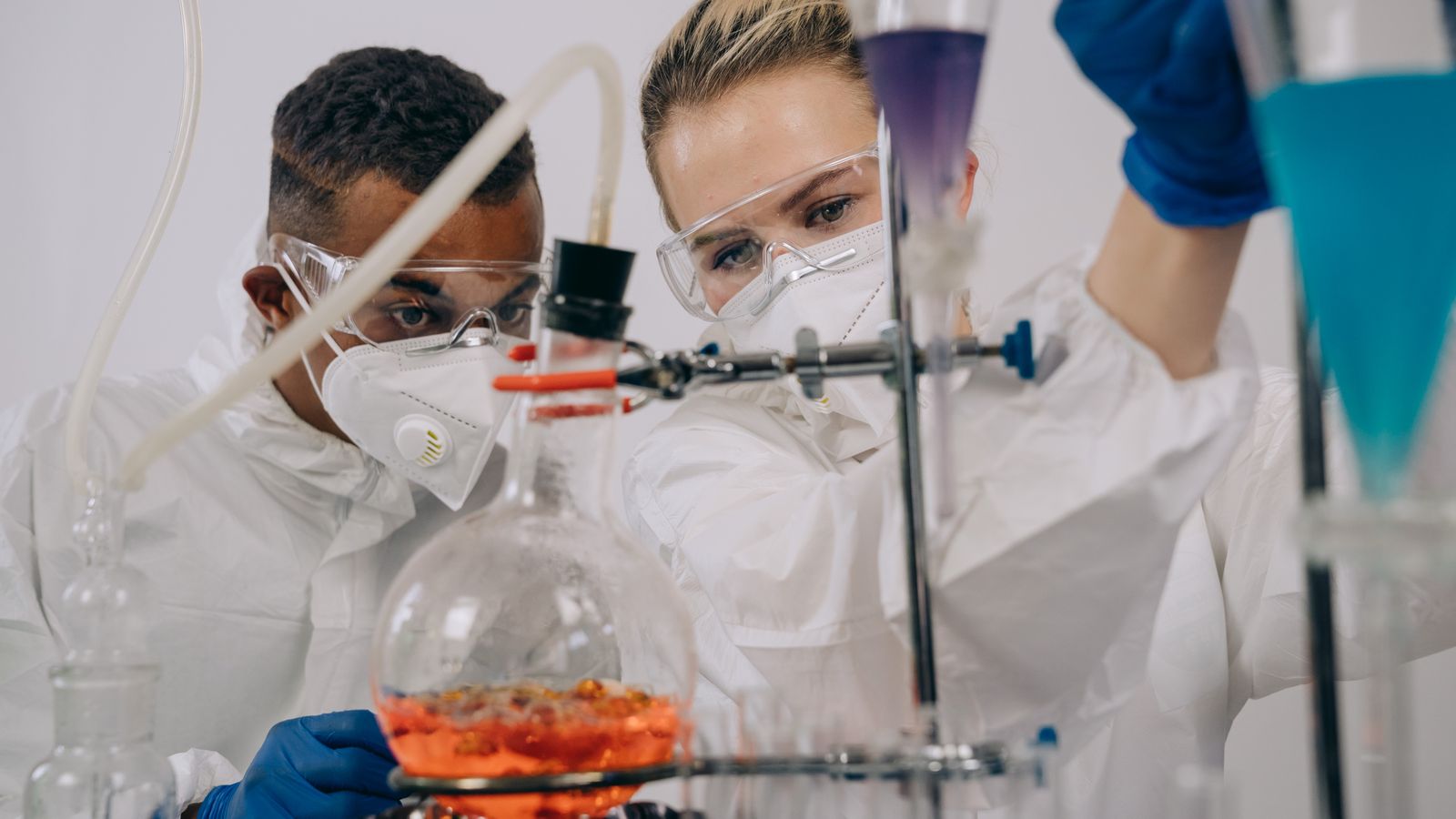
Two scientists in protective gear conducting chemistry experiments in a lab.
Expanded License Opens API Production Path
Health Canada's amended license allows Hytn to produce pharmaceutical-grade cannabinoid APIs under Good Manufacturing Practice (GMP) standards, a regulatory threshold required for clinical trials and prescription drug development. The Vancouver-based company previously held a standard cannabis processing license limited to consumer products. The upgrade positions Hytn to supply raw cannabinoid materials to pharmaceutical manufacturers developing prescription formulations.
Hytn's extraction facility in British Columbia now operates under dual licensing: recreational cannabis processing and pharmaceutical API production. The company didn't disclose capital investment required for GMP compliance upgrades.
Peptide Separation Technology Enters Pharma Pipeline
Hytn announced partnerships with two unnamed pharmaceutical companies to apply its proprietary peptide separation technology to non-cannabis therapeutic compounds. The technology, originally developed to isolate minor cannabinoids from full-spectrum extracts, uses chromatography to separate peptide chains by molecular weight. It's a big shift.
The peptide separation platform extends beyond cannabis into mainstream pharmaceutical applications, targeting chronic pain and metabolic disease treatments where peptide purity determines efficacy.
Hytn expects to generate licensing revenue from the pharmaceutical partners by Q3 2026, according to a company statement. No financial terms were disclosed. The partnerships mark Hytn's first non-cannabis commercial agreements, opening a new chapter for the firm's revenue model.
Strategic Shift Toward Pharma Margins
The pharmaceutical pivot reflects broader industry migration away from low-margin recreational markets toward regulated medical channels. Canadian licensed producers face sustained price compression in adult-use cannabis — wholesale flower prices have declined 68% since 2020 according to Statistics Canada data.
Hytn's pharmaceutical strategy targets three revenue streams:
- Cannabinoid API sales to prescription drug developers
- Peptide separation licensing fees from pharmaceutical partners
- Contract manufacturing for clinical-stage cannabinoid therapies
The company operates a 40,000-square-foot extraction facility in Kelowna, British Columbia. Hytn didn't disclose current production capacity or revenue projections for the pharmaceutical division.
For background on pharmaceutical cannabis partnerships in North America, see the CannIntel topic hub on Cannabis Pharmaceutical Partnerships.
Sources
The cannabis newsletter you forward to your team.
Federal policy, market data, grower alerts, and the one story that matters today. Sent every weekday at 7am. Free.
No spam. Unsubscribe with one click. 21+ only.
Related from Business

MMJ International Rejects 'Anti-Marijuana' Label, Defends Pharma Standards
Australian cannabinoid pharmaceutical firm pushes back against critics as regulatory debate over medical cannabis quality intensifies.
Hydroponics Retailer Closes 12 Stores Amid Cannabis Market Contraction
A major cultivation supply chain provider shuttered a dozen locations in May 2026 as licensed grower demand softens.

Missouri Cannabis Workers File Union Petitions After Federal Labor Win
Three dispensaries face organizing drives following NLRB ruling that cannabis workers have federal labor protections.
More from the newsroom

How 'Marijuana' Became the Racialized Term for Cannabis in America
The linguistic shift from 'cannabis' to 'marijuana' encoded decades of xenophobia into U.S. drug policy.

Federal Cannabis Legal Status Remains Contradictory in 2026
Despite state-level reforms and DEA rescheduling proposals, cannabis remains federally illegal under the Controlled Substances Act.

Autoflower vs Photoperiod: Actual Yield Per Square Foot in 2026
Commercial growers report 1.8-2.4 lb/sqft/year from modern autoflowers vs 1.5-2.0 from photoperiods. The gap closed. Here's the math that matters.