Pain News Network Explores Free Medical Cannabis Access Model
Analysis examines cost-barrier removal in medical marijuana programs as patient-access debates intensify globally.

Close-up of a doctor stamping a prescription with a bottle of pills on a desk.
Cost Barriers Drive Medical Cannabis Access Debate
Patient out-of-pocket costs in medical marijuana programs range from $200 to $600 monthly in most U.S. states, excluding insurance reimbursement in 47 of 50 jurisdictions. The Pain News Network piece arrives as state legislatures in New York, Ohio, and Pennsylvania debate Medicaid coverage expansion for cannabis therapy. Germany's BfArM reported in April that fewer than 12% of statutory insurance applications for cannabis reimbursement were approved in 2025, forcing patients into cash-pay models.
The analysis doesn't propose specific policy mechanisms but frames the question as central to medical program efficacy. Affordability gaps hit chronic-pain populations hardest—the very demographic medical programs were designed to serve.
International Models Show Divergent Reimbursement Approaches
Israel's Tikun Olam subsidized-access program and Australia's Special Access Scheme Category B both reduce patient costs below $100 monthly for qualifying conditions. Neither system offers fully free access. Copays are capped at levels comparable to prescription pharmaceuticals under national health frameworks. Health Canada's compassionate-access provisions allow cost offsets through provincial drug plans in British Columbia and Ontario, though uptake remains under 8% of registered patients.
U.S. medical programs operate entirely outside federal insurance structures, by contrast. The IRS Section 280E tax code prevents cannabis businesses from deducting standard expenses, inflating retail prices that patients absorb directly.
Medicaid Expansion Efforts Face Federal Obstacles
New York's proposed Medical Marijuana Access Act would mandate Medicaid reimbursement for cannabis therapy, but CMS hasn't issued guidance allowing such coverage under current federal scheduling. The bill, introduced in the state Senate in March, mirrors earlier failed attempts in Minnesota and Illinois. Federal rescheduling to Schedule III wouldn't automatically trigger insurance coverage; separate CMS rule-making would be required.
Ohio's HB 294, under committee review, proposes a state-funded subsidy pool rather than Medicaid integration, sidestepping federal conflicts. The pool would cap patient costs at $50 monthly for households under 200% of the federal poverty line.
Chronic Pain Patients Bear Highest Cost Burden
Patients treating chronic pain conditions consume an average 1.5 to 3 grams of cannabis daily, translating to $300 to $450 in monthly costs at typical dispensary pricing. That figure exceeds average out-of-pocket pharmaceutical spending for the same cohort by 240%, according to a 2025 University of Michigan survey. The price differential forces many patients to choose between cannabis therapy and conventional prescriptions covered by insurance.
Pain News Network's framing centers this population. The piece notes that opioid-alternative pathways remain financially inaccessible to the patients most likely to benefit, but it doesn't advocate for free access—it positions cost as a structural failure of current medical frameworks.
Tax Reform Remains Legislative Prerequisite
280E repeal or Schedule III rescheduling would reduce dispensary operating costs by an estimated 30 to 40%, creating room for price reductions without subsidy programs. The SAFER Banking Act, stalled in the House since February, includes no 280E language. Separate bills addressing the tax provision haven't advanced past committee in either chamber.
Germany's April 1 rescheduling to Anlage III (prescription-only, non-narcotic) didn't automatically lower patient costs. Statutory insurers retained discretion to deny coverage. The BfArM approval rate for cannabis prescriptions remains below 15%.
State Subsidy Models Face Budget Constraints
Proposed subsidy pools in Ohio, Pennsylvania, and Maryland carry estimated first-year costs of $18 million to $35 million per state, funded through dispensary excise tax diversions. None of the three bills has secured appropriations committee approval. Pennsylvania's version, HB 1024, would redirect 5% of the state's cannabis excise revenue to a patient-assistance fund, but the fund would serve fewer than 8,000 of the state's 450,000 registered patients at proposed income thresholds.
Maryland's proposal ties subsidy eligibility to SNAP enrollment—a narrower criterion that excludes working-poor households above 130% of the poverty line.
What Comes Next for Access Reform
The Pain News Network analysis doesn't endorse a policy path. It frames affordability as the unresolved tension in medical cannabis programs worldwide. For background on cost-barrier debates across jurisdictions, see the CannIntel topic hub on medical marijuana affordability and access. The next legislative test: whether Ohio's subsidy-pool model clears appropriations in June, offering a federally compliant template other states might replicate without waiting for CMS guidance.
Frequently asked questions
Why don't U.S. medical marijuana programs accept insurance?
Federal Schedule I classification prohibits Medicare, Medicaid, and private insurers from covering cannabis. CMS has issued no guidance allowing reimbursement even if rescheduling to Schedule III occurs. State-level Medicaid expansion requires federal CMS approval, which no state has received.
How do other countries handle medical cannabis costs?
Israel caps patient copays under $100 monthly through subsidized programs. Australia's Special Access Scheme Category B allows similar cost structures. Germany's statutory insurers can reimburse but approve fewer than 15% of applications, forcing most patients into cash-pay models.
What would 280E repeal do for patient costs?
Eliminating the IRS 280E tax provision would reduce dispensary operating costs by an estimated 30-40%, allowing price cuts without subsidy programs. Dispensaries currently cannot deduct rent, payroll, or standard business expenses, inflating retail prices patients pay directly.
Which states are closest to patient cost relief?
Ohio's HB 294, proposing a $50 monthly cost cap via state subsidy pool, is under committee review with June appropriations decision pending. New York's Medicaid expansion bill and Pennsylvania's excise-tax-funded assistance pool remain in early legislative stages without appropriations.
Sources
The cannabis newsletter you forward to your team.
Federal policy, market data, grower alerts, and the one story that matters today. Sent every weekday at 7am. Free.
No spam. Unsubscribe with one click. 21+ only.
Related from Medical

Oklahoma Releases Medical Cannabis Patient Outcomes Report
State data shows program growth and operational challenges as patient count nears 400,000.

FDA Grants Breakthrough Therapy Designation to VERTANICAL's VER-01
The designation accelerates development of a cannabinoid formulation targeting chronic low back pain affecting 50 million Americans.

Marijuana Use Linked to Heart Attacks, Strokes in New Study
Research finds association between cannabis consumption and elevated cardiovascular risks, adding to mounting evidence on cardiac effects.
More from the newsroom
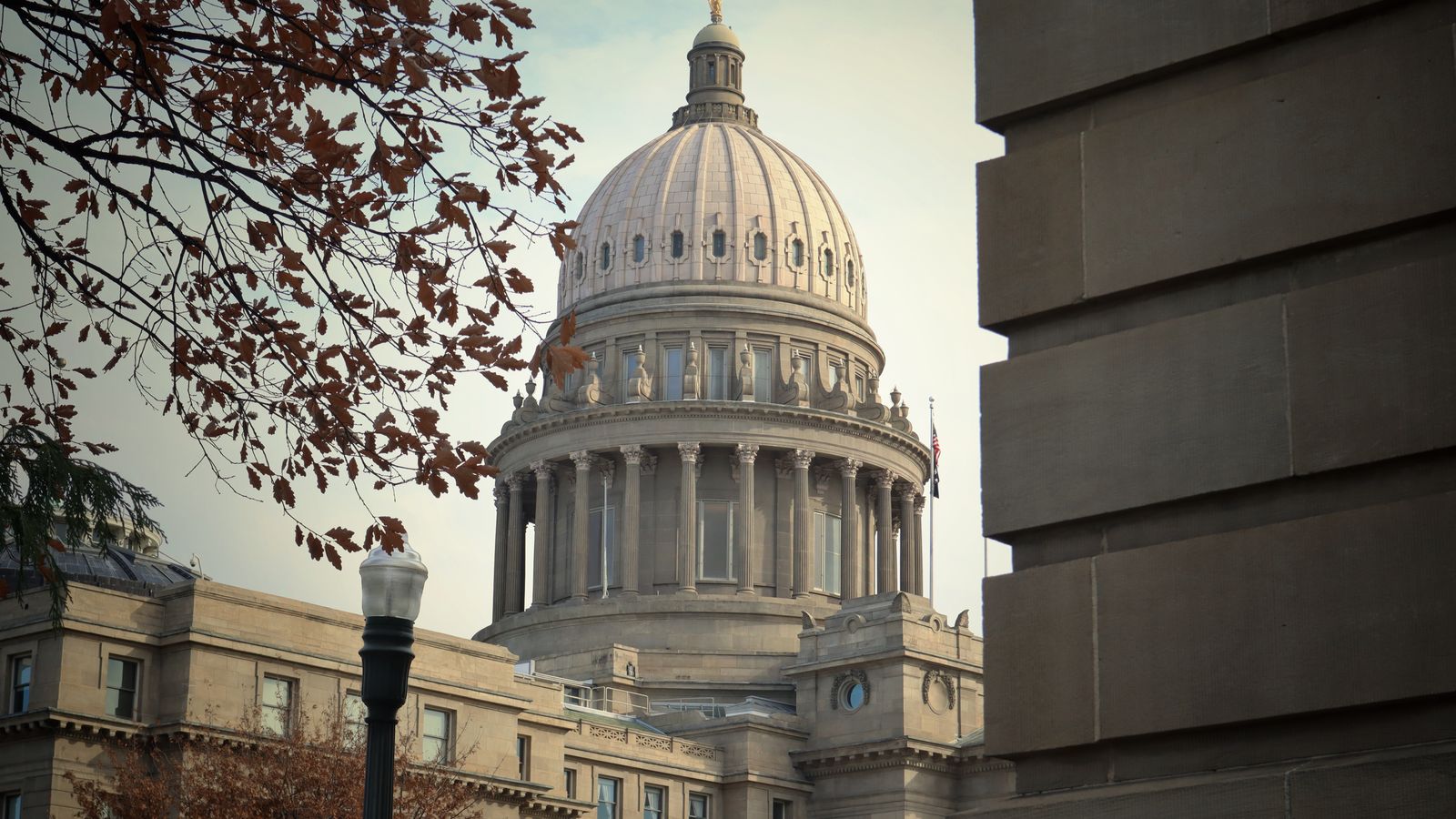
Federal Cannabis Status Unchanged Despite State-Level Reforms
Cannabis remains a Schedule I controlled substance under federal law despite legalization in 24 states and ongoing DEA rescheduling review.

Cannabis Remains Federally Illegal Despite State-Level Reforms
Despite 38 states permitting medical or adult-use cannabis, federal prohibition under the Controlled Substances Act continues to govern interstate commerce and federal enforcement.

Federal and State Cannabis Policy Shifts Mark Busy Week for Industry
Simultaneous regulatory moves at both levels signal accelerating policy activity ahead of summer recess.