Australia Tightens Medicinal Cannabis Standards, IDT Faces Compliance Cost
New TGA quality mandates raise the bar for cultivators and put pressure on ASX-listed producers.

Top view of a laboratory setup with various scientific tools and substances, featuring researchers in lab coats.
TGA Raises Quality Floor for Medicinal Cannabis
The new standards mandate batch-level testing for heavy metals, pesticides, and microbial contaminants, closing loopholes that allowed some producers to self-certify. The Therapeutic Goods Administration published the final rule in the Commonwealth Gazette on September 16, effective January 1, 2027. Producers must submit independent lab results for every batch distributed through the Special Access Scheme or Authorised Prescriber pathways.
Patient safety drove the change. Between 2024 and 2026, the regulator received 47 adverse-event reports linked to mold or pesticide residues in flower products. The TGA cited these incidents as justification. The new regime aligns Australia more closely with German BfArM standards, which require third-party certification for all cannabis medicines entering the Apothekenversorgung.
IDT Australia, which supplies roughly 12% of the domestic medicinal market by volume, will need to retrofit its cultivation facilities in Melbourne to meet the traceability requirements. The company hasn't disclosed capital-expenditure estimates, but comparable upgrades at Canadian LPs under Health Canada's revised Good Production Practices ran between CAD $2 million and $5 million per facility.
Compliance Costs Hit Small and Mid-Tier Producers Hardest
Producers with annual revenue below AUD $10 million face a disproportionate burden, as testing costs now represent 8-12% of gross margin. IDT reported AUD $7.3 million in revenue for FY2025. That puts it squarely in the squeeze zone. Larger operators like Cann Group and Little Green Pharma have existing lab partnerships and can spread fixed costs across higher throughput.
Third-party testing costs matter. The TGA estimates the average at AUD $1,200 per batch. For a producer releasing 50 batches annually, that's AUD $60,000 in new recurring expense before accounting for traceability software or additional quality-assurance staff. IDT's FY2025 EBITDA was negative AUD $1.1 million, so the margin compression is material.
The regulatory tightening is overdue, but the timing couldn't be worse for undercapitalized producers already navigating a saturated domestic market and flat patient enrollment growth.
ASX cannabis stocks fell on the news. IDT closed down 6.2% at AUD $0.091 on September 16. Peer group stocks dropped an average of 3.8%, signaling that investors expect sector-wide margin pressure through 2027.
Market Consolidation Likely as Compliance Barrier Rises
Analysts expect 15-20% of Australia's 140 licensed medicinal cultivators to exit or merge within 18 months of the standards taking effect. The compliance cost acts as a de facto barrier to entry for new applicants and a survival test for incumbents operating on thin cash reserves. IDT held AUD $2.4 million in cash and equivalents as of June 30, 2026—enough to fund operations through mid-2027 under current burn rates, but capital for facility upgrades would require either debt or dilutive equity raises.
European precedent supports the consolidation thesis. When Germany's BfArM tightened GMP requirements in 2023, the number of active cultivation licenses fell from 79 to 52 within two years. Smaller operators either sold to MSOs or withdrew applications rather than absorb the compliance overhead.
IDT's strategic options are narrow. The company could pursue a joint venture with a larger LP to share testing infrastructure, raise capital through a rights issue at a steep discount to current share price, or pivot toward contract manufacturing for white-label brands that can absorb the compliance cost across multiple SKUs. None of these paths is frictionless.
What Comes Next for IDT and the Australian Market
The TGA will publish implementation guidance by October 31, 2026, clarifying acceptable lab accreditations and traceability-software standards. IDT and peers are lobbying for a longer phase-in period. The regulator has signaled that the January 1, 2027 deadline is firm. Producers that fail to comply by that date lose their ability to supply the Special Access Scheme, which accounts for roughly 85% of legal medicinal cannabis distribution in Australia.
Patient advocates have endorsed the standards, arguing that quality variability has undermined confidence in medicinal cannabis as a therapeutic category. The TGA's move also positions Australia as a credible exporter to European markets, where importers increasingly demand third-party certification. IDT exports a small volume to Germany and the UK, so compliance could open rather than close doors in the long run—if the company survives the transition.
For full background on this story, see the CannIntel topic hub on Australia Cannabis Standards.
Watch IDT's Q1 FY2027 earnings call in November. Management will need to articulate a capital plan for compliance or risk a shareholder revolt.
Frequently asked questions
What are the new TGA standards for medicinal cannabis in Australia?
The Therapeutic Goods Administration now requires batch-level third-party testing for heavy metals, pesticides, and microbial contaminants, plus enhanced traceability systems. The standards take effect January 1, 2027, and apply to all product distributed through the Special Access Scheme or Authorised Prescriber pathways.
How much will compliance cost Australian cannabis producers?
Third-party testing averages AUD $1,200 per batch. For a mid-tier producer releasing 50 batches annually, that's AUD $60,000 in recurring costs, plus capital expenditure for traceability software and facility upgrades, estimated at AUD $2-5 million based on Canadian comparables.
Why did IDT Australia stock fall on this news?
IDT closed down 6.2% at AUD $0.091 on September 16 because the new compliance costs will compress margins for a company already running negative EBITDA. With only AUD $2.4 million in cash, IDT faces capital-raise risk or operational cutbacks to fund the upgrades.
Will smaller cannabis producers exit the Australian market?
Analysts expect 15-20% of Australia's 140 licensed cultivators to exit or merge within 18 months. The compliance cost acts as a survival test for undercapitalized operators, mirroring Germany's experience when BfArM tightened GMP rules in 2023.
What happens if a producer doesn't comply by January 1, 2027?
Producers that fail to meet the new standards lose their ability to supply the Special Access Scheme, which accounts for roughly 85% of legal medicinal cannabis distribution in Australia. The TGA has signaled the deadline is firm with no phase-in extensions.
Sources
The cannabis newsletter you forward to your team.
Federal policy, market data, grower alerts, and the one story that matters today. Sent every weekday at 7am. Free.
No spam. Unsubscribe with one click. 21+ only.
Related from Business
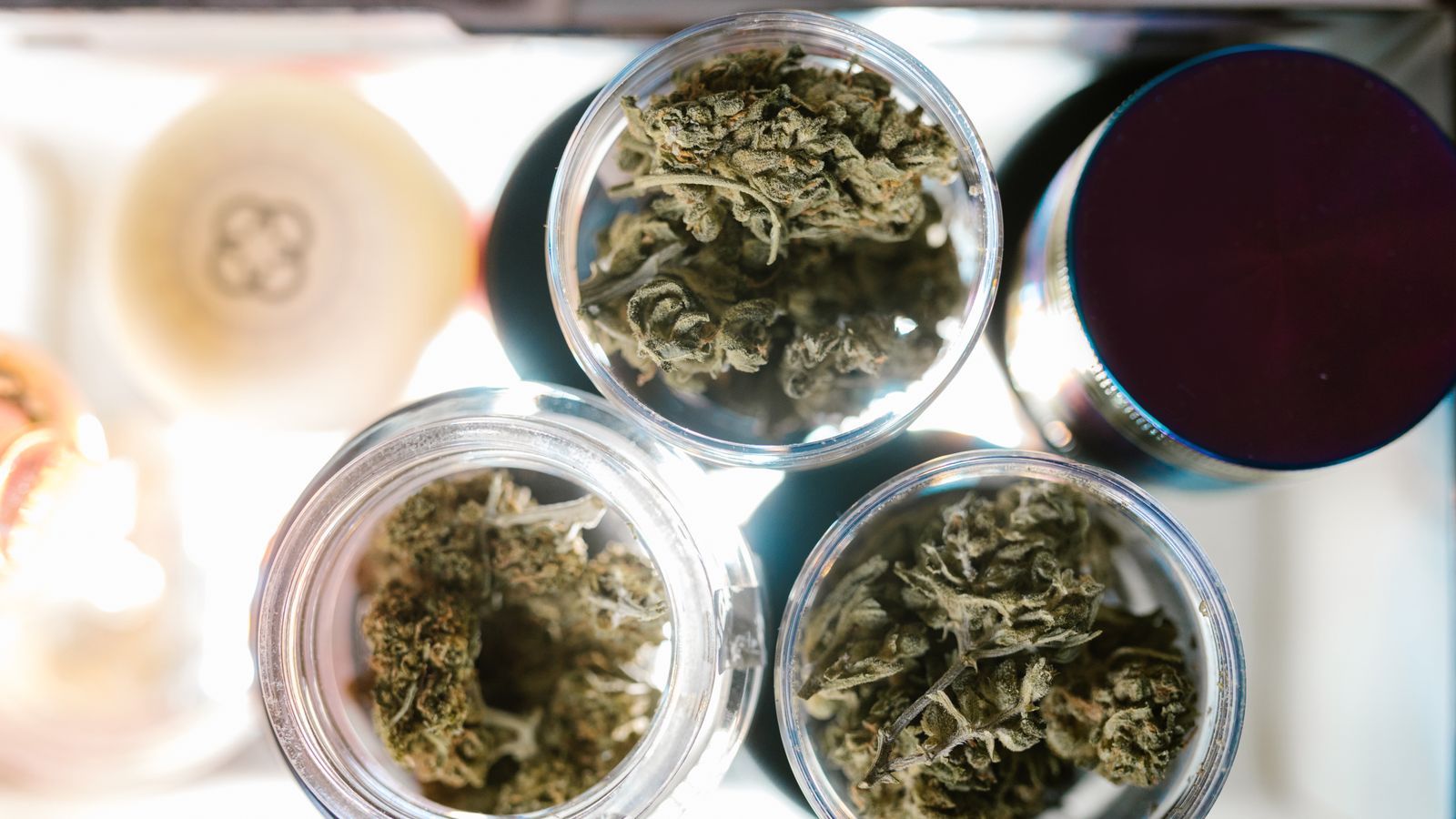
Minnesota Hits $150M in Adult-Use Sales During First Year
The state's recreational program launched in September 2025 with limited retail footprint and reached nine figures in twelve months.

Glass House Brands Advances on Production Scale and Market Expansion
Investor optimism rises as the California cultivator scales greenhouse operations and pushes into new retail markets.
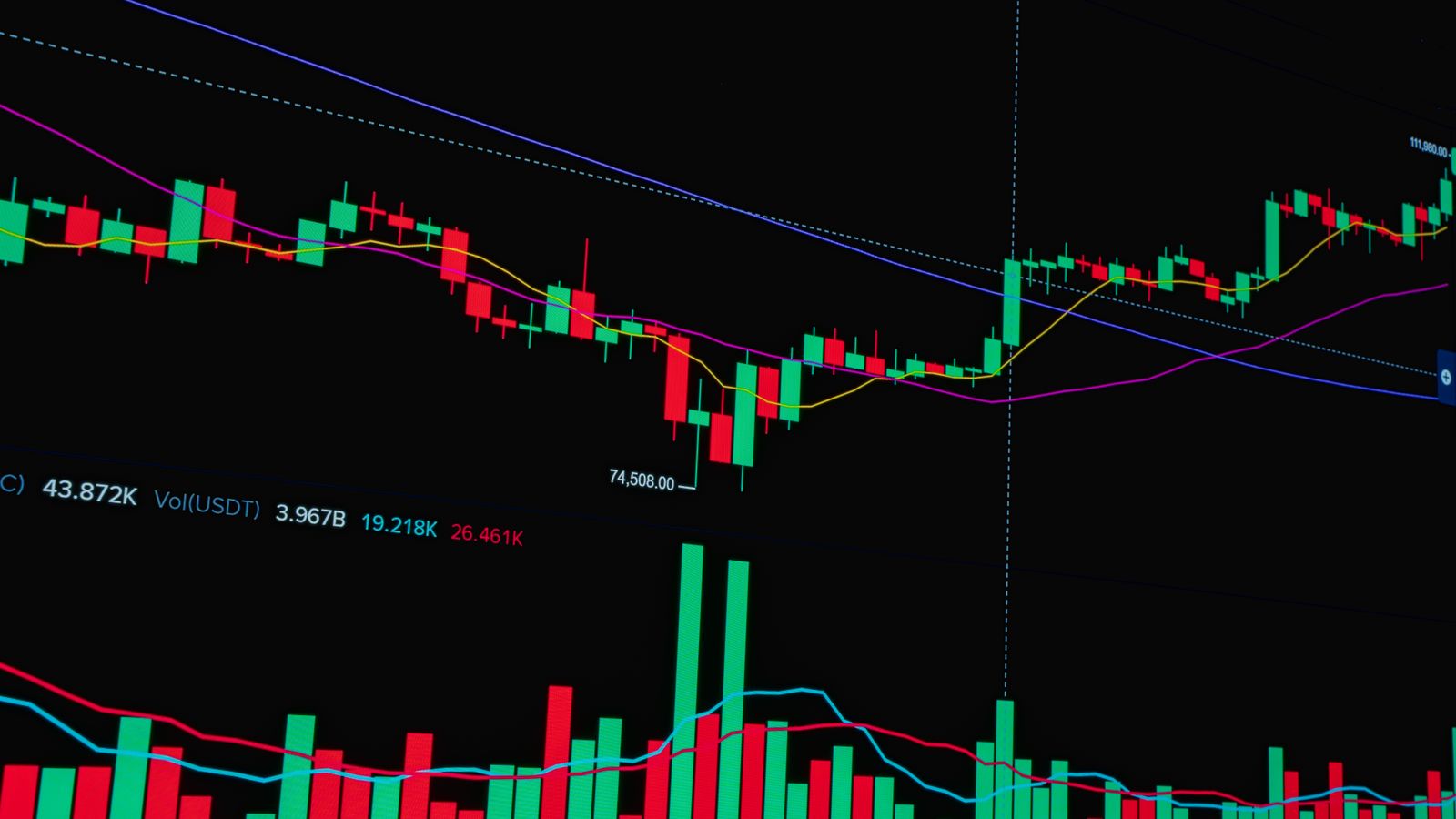
Tilray Stock Declines 52% in 2026 as Bulls Eye Rescheduling Catalyst
Cannabis multi-state operator Tilray Brands (TLRY) has shed more than half its market cap year-to-date, but analysts point to federal reform as a potential turnaround driver.
More from the newsroom

Illegal Cannabis Farms Drive £9.4M in UK Property Claims
Insurers paid out £9.4 million in property damage claims linked to illicit cannabis cultivation in the UK over the past year.

Berlin, Mecklenburg-Vorpommern Elections Put Cannabis Policy on Ballot
State elections in two German regions test cannabis policy platforms as parties diverge on implementation of federal legalization framework.

Connecticut Cannabis Faces Revenue Cliff, Industry Warns State
A CT Mirror opinion piece flags declining tax collections as Connecticut's adult-use market matures and competition from neighboring states intensifies.