Federal Study Finds 23% of U.S. Adults Used Cannabis in Past Year
Government-funded research reveals nearly one-quarter of American adults consumed marijuana in 2025, with most users employing multiple delivery methods.

Close-up of hands holding cannabis buds in a glass jar outside in daylight.
Prevalence Rate Signals Mainstream Adoption
The 23% past-year prevalence rate represents roughly 59 million American adults, based on 2025 Census Bureau population estimates. That figure places cannabis ahead of cigarette smoking (11.5% daily prevalence in the CDC's 2024 NHIS data) and approaches the prevalence of binge alcohol use (26% in SAMHSA's 2024 NSDUH). The study didn't break out daily versus occasional use, but the multi-method finding suggests a consumer base that's moved beyond experimentation.
Federal epidemiologists have tracked rising cannabis prevalence since state-level legalization began in 2012. The 23% figure eclipses prior estimates. The 2023 NSDUH reported 19.2% past-year use among adults—a four-percentage-point jump in two years that aligns with the expansion of adult-use markets, now live in 24 states and D.C.
Multi-Method Use Dominates Consumer Behavior
More than half of past-year users reported consuming cannabis via two or more delivery methods, according to the study. The finding challenges the legacy stereotype of cannabis as a smoked-flower-only product. State-licensed product categories have diversified: vaporizers, edibles, tinctures, topicals, and concentrates now command shelf space alongside traditional flower.
This trend has investment implications. MSOs with diversified product portfolios—Curaleaf, Trulieve, Green Thumb Industries—have consistently outperformed single-category operators on gross margin. Edibles and vapes carry higher per-unit margins than flower. Consumers who stack methods tend to exhibit higher lifetime value, representing a sticky, high-frequency customer base less vulnerable to price compression.
Demographic Breakdown and Market Segmentation
The study didn't release granular demographic crosstabs, but prior federal surveys show highest prevalence among adults aged 18-34 and lowest among those 65+. Gender gaps have narrowed. The 2023 NSDUH showed men at 21.8% past-year use versus women at 16.8%. State sales data from mature markets like Colorado and California confirm that women now account for 40-45% of transactions, up from under 30% a decade ago.
Operators targeting the 35-54 cohort—the demographic with the highest disposable income—are watching this data closely. Cresco Labs and Ayr Wellness have both cited the "cannabis-curious boomer" as a growth vector in recent earnings calls. If the 23% figure holds across age bands, the addressable market for premium and wellness-positioned products expands materially.
Federal Funding Signals Policy Shift
The study's federal funding marks a subtle but meaningful shift in the government's research posture toward cannabis. For decades, the National Institute on Drug Abuse monopolized federal cannabis research dollars, with a statutory mandate to study harms rather than use patterns or benefits. That this prevalence study received federal support suggests growing acceptance within HHS and NIH that understanding consumption behavior is a legitimate public-health objective, not merely a law-enforcement one.
The research arrives as the DEA's rescheduling proposal for marijuana—from Schedule I to Schedule III—sits in administrative review, with a final rule expected in early 2027.
Rescheduling wouldn't legalize cannabis federally, but it would remove the Section 280E tax penalty that's constrained MSO profitability since inception. The bear case: even if 23% of adults use cannabis, federal prohibition remains intact, and banking restrictions continue to lock operators out of Nasdaq listings and institutional credit.
Investor Takeaway and Market Implications
The 23% prevalence figure translates to a U.S. total addressable market of roughly $45 billion in annual consumer spending, based on per-capita consumption estimates from state markets. Current legal sales sit around $30 billion. That implies one-third of demand still flows through illicit channels. The gap represents both opportunity and risk: state markets that fail to undercut black-market pricing (California, New York) will struggle to capture that incremental share.
For publicly traded MSOs, the data supports the thesis that cannabis is transitioning from vice to staple. Comparable penetration rates:
- Craft beer: 28% of U.S. adults (Brewers Association, 2024)
- Vitamins/supplements: 58% (CRN, 2025)
- Energy drinks: 31% (Beverage Marketing Corp, 2024)
Cannabis sits comfortably in the middle of that range. The next signal to watch: whether the CDC incorporates cannabis-use questions into the annual BRFSS survey, which would give state-by-state breakouts and allow operators to model market saturation with precision.
The political variable nobody can model is whether the incoming administration in 2027 accelerates or reverses federal liberalization. Until then, the 23% figure is the cleanest demand signal the industry has seen.
For complete background, history, and our ongoing coverage of this story:
Open the CannIntel topic hub →Sources
The cannabis newsletter you forward to your team.
Federal policy, market data, grower alerts, and the one story that matters today. Sent every weekday at 7am. Free.
No spam. Unsubscribe with one click. 21+ only.
Related from News
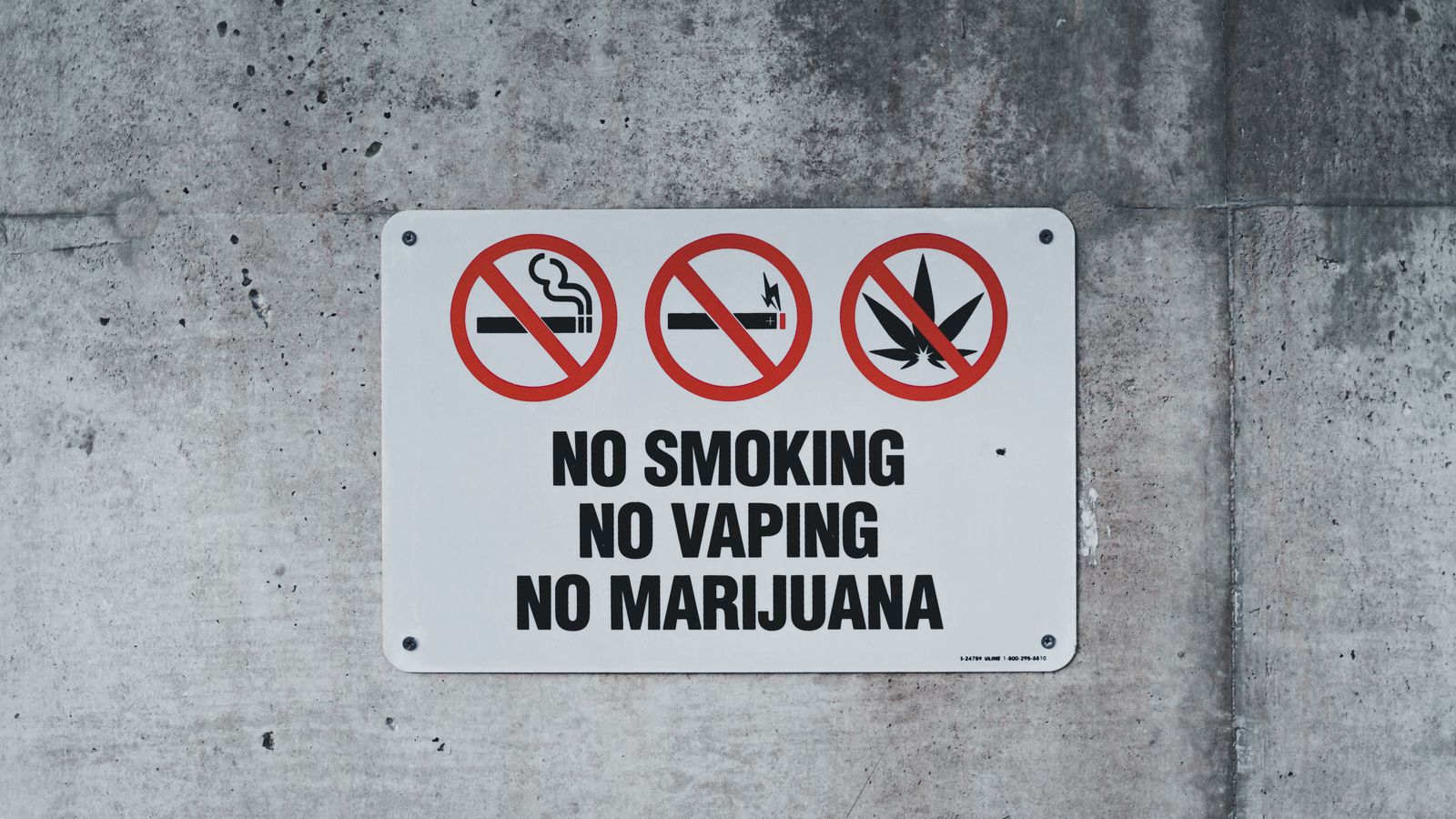
Colorado warns of hazardous vapes sold at 405 dispensaries
State health officials issue consumer alert after contaminated cartridges distributed across licensed retail network.
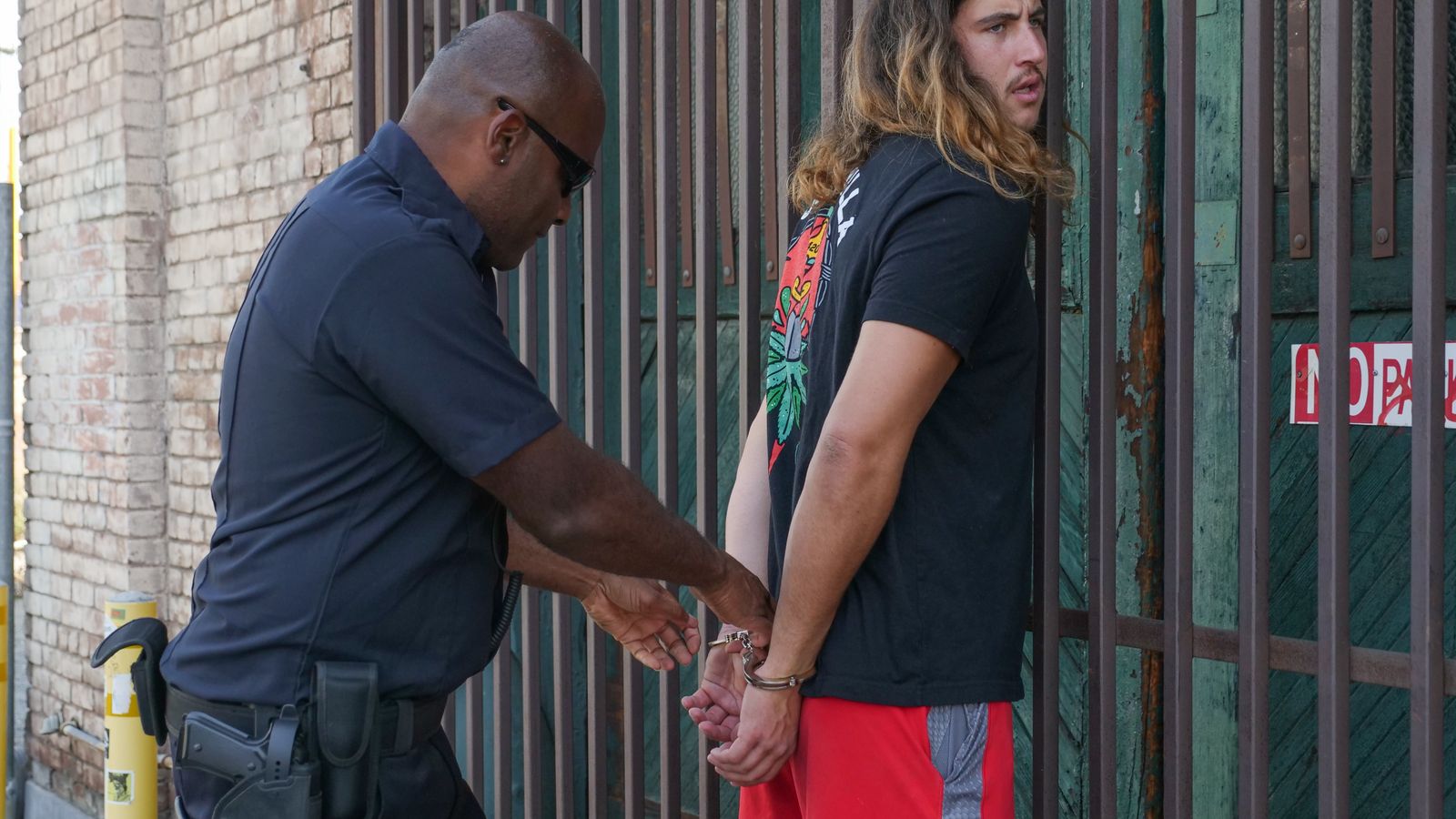
Australia, New Zealand Arrest Dozens in 85-Raid Cannabis Crackdown
Trans-Tasman police operation targets organized cannabis cultivation networks across both nations.
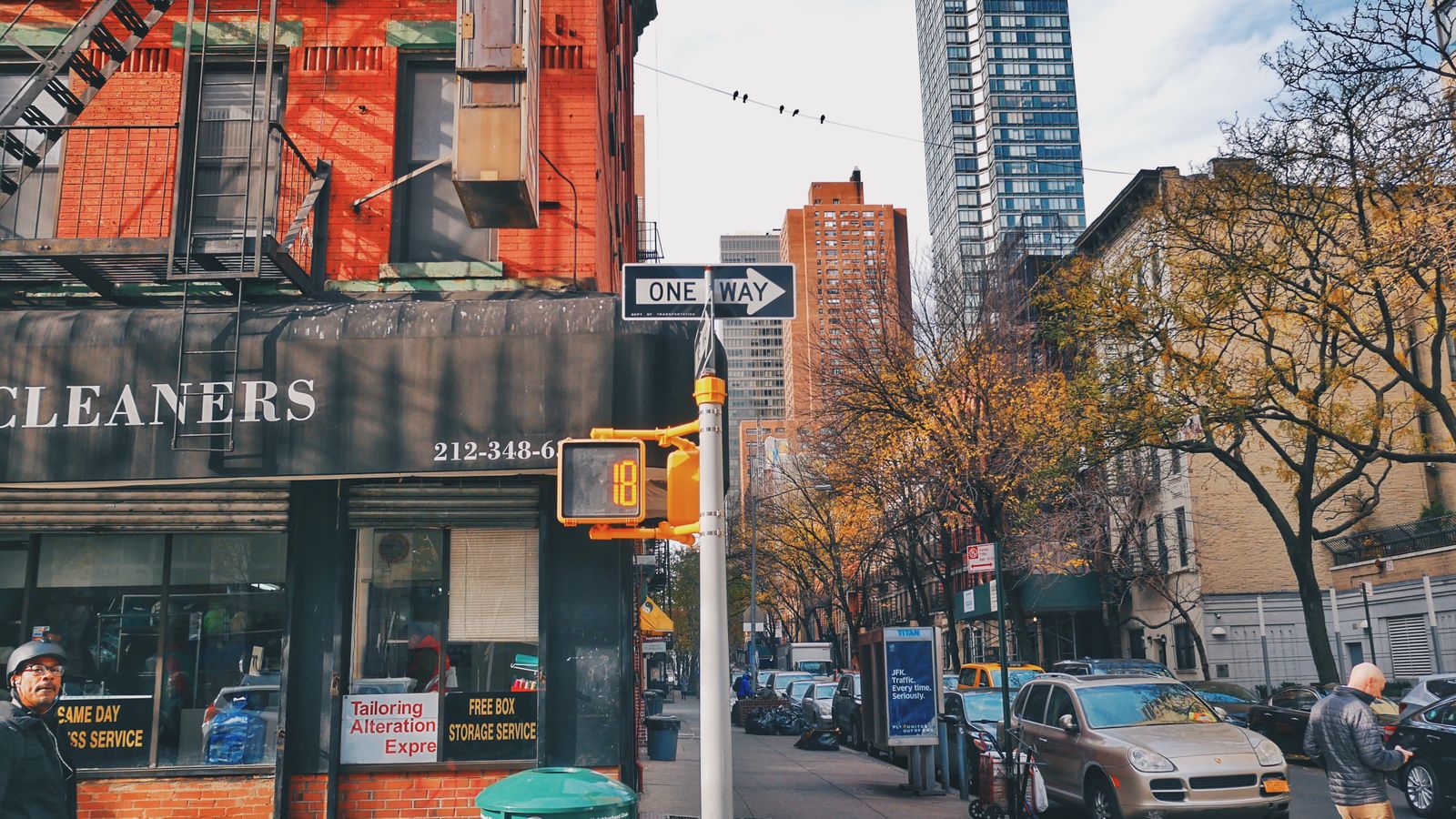
Hudson, NY Blocks Cannabis Retailers on Warren Street Amid Zoning Fight
The upstate city's zoning board restricted adult-use shops from its main commercial corridor, sparking debate over local control versus state licensing.
More from the newsroom

Massachusetts Voters Face Cannabis Legalization Repeal Question in November
NORML calls Question 4 a national trial balloon by prohibitionist groups seeking to reverse state legal markets.

Jersey City Cannabis Board Withdraws Support for Tyson.20 Dispensary
The Jersey City Cannabis Control Board reversed its endorsement of a proposed retail site while approving a separate manufacturing facility.

Cannabis Voters Urged to Mobilize Ahead of November Ballot Measures
Advocates warn that low turnout among cannabis supporters could decide legalization outcomes in Florida, North Dakota, and South Dakota.