UK Medical Cannabis Access Expands via Telehealth and Private Clinics
Private prescribing networks and remote consultations now dominate patient access despite NHS reluctance and strict regulatory oversight.

Doctor in scrubs having an online consultation using a laptop, holding pill bottle and smiling.
Private Sector Fills NHS Prescribing Void
The NHS has issued fewer than 50 medical cannabis prescriptions since November 2018 legalization, leaving private clinics to absorb nearly all patient demand. Specialist networks including Sapphire Medical Clinics, Cantourage, and Lyphe Group now operate telehealth platforms that connect patients with registered prescribers remotely. Consultations run £50–£150. Flower costs average £5–£8 per gram depending on cultivar and THC profile.
The NHS gap isn't accidental. NICE guidelines restrict cannabis-based medicinal products to a narrow set of conditions—treatment-resistant epilepsy, chemotherapy-induced nausea, and MS spasticity—and require specialist sign-off. Most GPs won't touch it, so patients with chronic pain, anxiety, or insomnia route through private channels or stay in the illicit market.
Telehealth Platforms Drive Geographic Reach
Remote consultations have opened access to patients in rural Scotland, Wales, and Northern Ireland where brick-and-mortar cannabis clinics don't exist. Video appointments with GMC-registered specialists take 20–30 minutes. Patients upload medical records; clinicians assess eligibility under the same legal framework that governs in-person visits. If approved, prescriptions route to licensed pharmacies that ship flower, oils, or capsules via tracked courier.
The model works. But it's expensive and uneven—a Birmingham factory worker and a London consultant pay the same clinic fees, yet one can afford £200/month in product and one can't.
Regulatory Framework Remains Europe's Strictest
The MHRA classifies all cannabis medicines as Schedule 2 controlled drugs, requiring Home Office import licenses and rigorous pharmacy-level tracking. Cultivars must meet GMP standards; most UK-dispensed flower comes from Dutch, Canadian, or Israeli producers under import permits. Domestic cultivation exists but remains marginal—Prohibition Partners estimated UK-grown medical cannabis at under 5% of the market in 2025.
Every gram dispensed in the UK carries more paperwork than most opioid prescriptions, a regulatory burden that keeps prices high and patient counts low compared to Germany or the Netherlands.
The Home Office reviews import applications on a per-batch basis, and delays of weeks aren't uncommon. Clinics stockpile where possible, but supply-chain friction remains a patient complaint.
Cultivar Selection Mirrors European Medical Norms
UK patients access a rotating menu of 40–60 cultivars, skewed toward balanced THC:CBD profiles and indica-dominant genetics for pain and sleep. Bedrocan, Bediol, and Bedica from the Netherlands anchor many clinic formularies. Canadian imports include Broken Coast Ruxton (Sour OG cut, 18–22% THC) and Aurora's Temple (a CBD-forward strain at 10% CBD, <1% THC). Israeli genetics—Erez (ACDC phenotype) and Aviv (Cannatonic lineage)—show up for patients chasing high-CBD, low-psychoactivity options.
Terpene data? Inconsistent. Some pharmacies provide full lab sheets; others list THC/CBD and nothing else. For patients dialing in symptom relief, that's a problem—a myrcene-heavy Granddaddy Purple hits different than a limonene-forward Durban Poison, even at the same THC percentage.
Cost and Equity Gaps Persist
Monthly patient costs average £150–£300 when clinic fees, prescriptions, and product are combined, pricing out low-income and disabled patients who would benefit most. No NHS pathway means no subsidies. Private insurance rarely covers it. Advocacy groups including Drug Science and the United Patients Alliance have pushed for NHS integration and means-tested pricing, but movement has been glacial.
The two-tier system is stark: affluent patients access legal, lab-tested medicine via telehealth while others buy unregulated flower or rely on CBD isolates that barely touch their symptoms. For full background on this story, see the CannIntel topic hub on the UK Medical Cannabis Program.
Next signal: whether Labour's health policy under the current government shifts NICE guidance or expands NHS prescribing authority. Until then, the UK's medical cannabis program remains a private-sector story with a public-access problem.
Frequently asked questions
Can UK patients get medical cannabis on the NHS?
Technically yes, but fewer than 50 NHS prescriptions have been issued since 2018. NICE restricts cannabis to treatment-resistant epilepsy, chemo nausea, and MS spasticity, and most GPs won't prescribe. Nearly all access runs through private clinics.
How much does UK medical cannabis cost per month?
Patients pay £50–£150 for initial consultations, then £5–£8 per gram for flower or equivalent oil doses. Monthly costs average £150–£300 including follow-ups and product, with no insurance or NHS subsidy.
What strains are available to UK medical cannabis patients?
Clinics stock 40–60 cultivars, mostly Dutch (Bedrocan, Bediol), Canadian (Broken Coast Ruxton, Aurora Temple), and Israeli (Erez, Aviv). Selection skews toward balanced THC:CBD and indica genetics for pain and sleep.
Do UK medical cannabis patients need a Home Office license?
No. Patients don't apply for licenses. Clinics and pharmacies hold the import permits and Schedule 2 handling authority. Patients receive a legal prescription and purchase from licensed pharmacies.
Can UK patients grow their own medical cannabis?
No. Home cultivation remains illegal even for medical patients. All legal cannabis must come from MHRA-licensed pharmacies under Home Office import permits or domestic GMP cultivation licenses.
Sources
The cannabis newsletter you forward to your team.
Federal policy, market data, grower alerts, and the one story that matters today. Sent every weekday at 7am. Free.
No spam. Unsubscribe with one click. 21+ only.
Related from Medical

Peer-Reviewed Study Finds No Traffic Fatality Increase After Legalization
Two-decade analysis of crash data across legalized states challenges long-standing public-safety assumptions.

Medical Xpress Reviews Emerging Evidence on Therapeutic Cannabis Benefits
New analysis examines clinical data on medical marijuana's efficacy for pain, nausea, and neurological conditions.

Study Finds No Link Between Cannabis Legalization and Traffic Deaths
Twenty-year analysis covering 24 states shows recreational legalization did not increase traffic fatality rates.
More from the newsroom

Physicians Face License Risk Over Unapproved CMS Hemp Products
Doctors prescribing CMS-covered hemp products without FDA approval may violate state medical board rules.

Corn Earworm Infestations Threaten U.S. Hemp Crops as Growers Deploy IPM
Helicoverpa zea populations surge across commercial hemp acreage, prompting growers to adopt integrated pest management protocols mid-season.
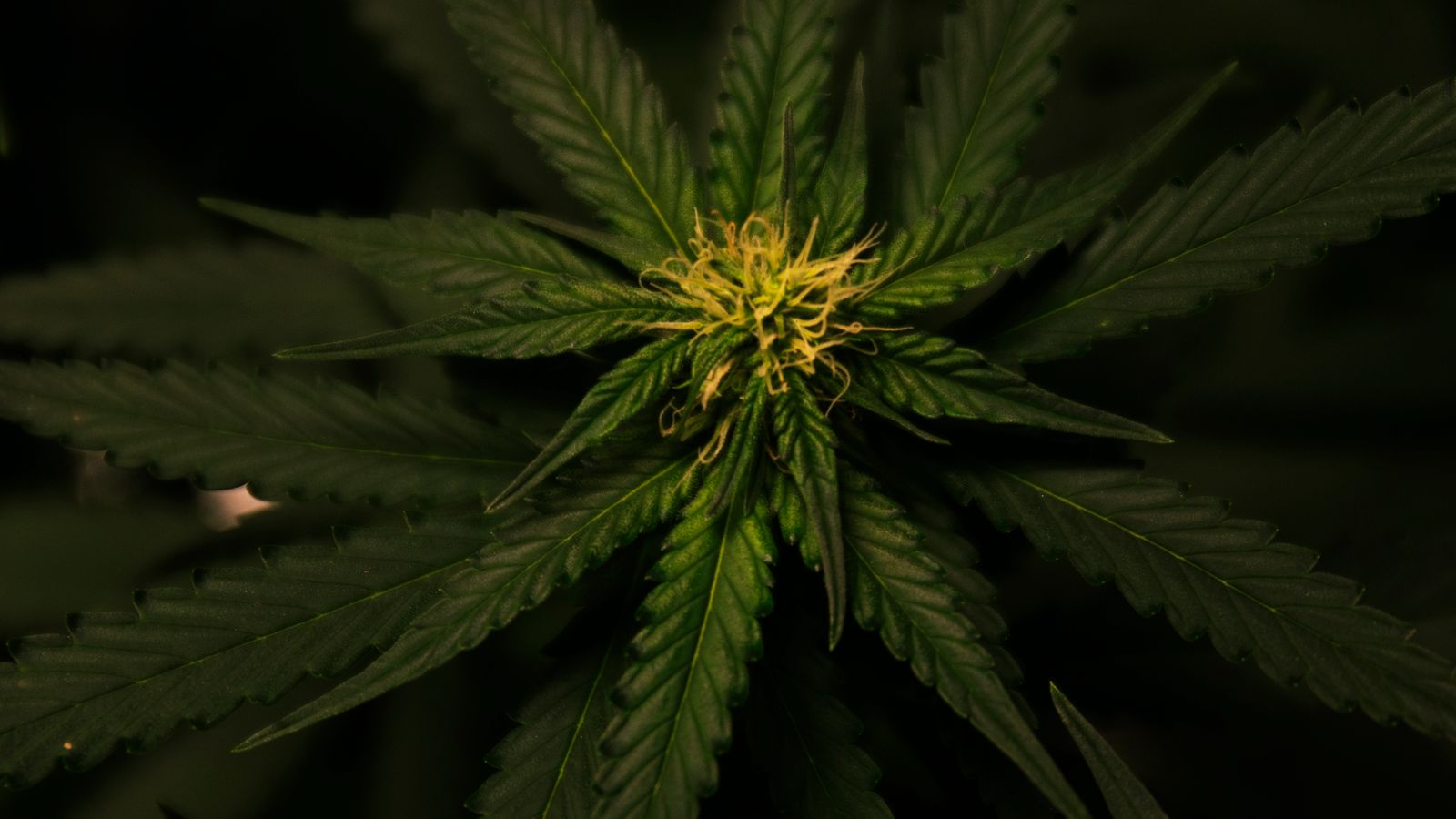
Yellow Fan Leaves on Cannabis: Five Causes, Ranked by Likelihood
Nitrogen deficiency tops the list, but light burn, pH lockout, overwatering, and natural senescence all produce yellowing. Here's how to diagnose each.