Medical Xpress Reviews Emerging Evidence on Therapeutic Cannabis Benefits
New analysis examines clinical data on medical marijuana's efficacy for pain, nausea, and neurological conditions.

A female doctor consulting a patient in a modern medical office setting.
Clinical Evidence Base Expands
The Medical Xpress review synthesizes peer-reviewed studies on cannabinoid therapy, highlighting measurable outcomes in pain management and appetite stimulation. The analysis arrives as federal rescheduling proposals could unlock expanded clinical research access. Current FDA-approved cannabinoid medications include dronabinol and nabilone, both synthetic THC analogs prescribed for chemotherapy side effects.
Data is driving physician adoption. Studies cited in the review show THC-dominant formulations reduce neuropathic pain scores by 30-40% in controlled trials. CBD-rich preparations demonstrate anti-seizure efficacy in treatment-resistant epilepsy, with FDA approval of Epidiolex validating that pathway.
Dosing and Delivery Methods Under Scrutiny
Standardized dosing is the primary barrier to mainstream medical acceptance, the review emphasizes. Smoked flower delivers unpredictable cannabinoid concentrations—typically 15-25% THC by dry weight, but patient titration varies wildly. Pharmaceutical-grade tinctures and capsules offer reproducible milligram dosing, though onset times differ:
- Inhalation: 2-10 minute onset, 2-4 hour duration
- Sublingual tinctures: 15-45 minute onset, 4-6 hour duration
- Edibles/capsules: 60-120 minute onset, 6-8 hour duration
Clinical trials face brutal math. Flower's cannabinoid profile shifts batch-to-batch. That makes placebo-controlled studies a nightmare to standardize.
Conditions Showing Strongest Response Rates
Medical Xpress identifies chronic pain, multiple sclerosis spasticity, and chemotherapy-induced nausea as the three indications with the strongest clinical support. A 2024 meta-analysis found cannabis reduced opioid use by an average 64% among chronic pain patients—a stat that's reshaping state qualifying-condition lists.
For patients who've exhausted conventional therapies, cannabinoid treatment offers a measurable quality-of-life improvement with a safety profile that beats long-term opioid or benzodiazepine use.
Glaucoma and PTSD remain on many state lists despite weaker evidence. Intraocular pressure reductions from THC last only 3-4 hours, the review notes, requiring frequent dosing that isn't clinically practical.
Federal Rescheduling Could Accelerate Research
The DEA's proposed move to reschedule cannabis from Schedule I to Schedule III would remove the primary regulatory barrier blocking large-scale clinical trials. Right now, researchers need DEA licenses, NIDA approval, and single-source flower from the University of Mississippi. That bottleneck has killed dozens of proposed studies.
Schedule III status wouldn't legalize recreational use, but it'd let universities and private labs conduct FDA-standard Phase II and Phase III trials. That's the pathway to condition-specific approvals and insurance reimbursement. For background on the federal rescheduling process, see the CannIntel topic hub on Medical Marijuana Research.
The evidence gap is the killer. Physicians want randomized controlled trials, dosing charts, and contraindication data—the same rigor applied to any Schedule III medication. We're getting there. But the timeline stretches years, not months.
Frequently asked questions
What medical conditions does cannabis treat most effectively?
Clinical evidence is strongest for chronic neuropathic pain, multiple sclerosis spasticity, and chemotherapy-induced nausea. Studies show THC reduces pain scores 30-40% and cuts opioid use by an average 64% in chronic pain patients. CBD demonstrates anti-seizure efficacy in treatment-resistant epilepsy.
Why isn't medical marijuana FDA-approved for most conditions?
Schedule I status blocks large-scale clinical trials required for FDA approval. Researchers need DEA licenses and must use single-source flower from University of Mississippi. Only synthetic cannabinoids (dronabinol, nabilone) and CBD isolate (Epidiolex) have completed FDA approval pathways.
How does cannabis dosing compare to conventional medications?
Smoked flower delivers unpredictable cannabinoid concentrations (15-25% THC by weight) with variable patient titration. Pharmaceutical tinctures and capsules offer reproducible milligram dosing. Onset times range from 2-10 minutes (inhalation) to 60-120 minutes (edibles), complicating clinical standardization.
What would Schedule III rescheduling change for medical research?
Moving cannabis to Schedule III removes the primary regulatory barrier blocking university and private-lab clinical trials. Researchers could conduct FDA-standard Phase II and Phase III studies without NIDA approval or single-source restrictions, accelerating the pathway to condition-specific approvals and insurance reimbursement.
Sources
The cannabis newsletter you forward to your team.
Federal policy, market data, grower alerts, and the one story that matters today. Sent every weekday at 7am. Free.
No spam. Unsubscribe with one click. 21+ only.
Related from Medical

UK Medical Cannabis Access Expands via Telehealth and Private Clinics
Private prescribing networks and remote consultations now dominate patient access despite NHS reluctance and strict regulatory oversight.

Peer-Reviewed Study Finds No Traffic Fatality Increase After Legalization
Two-decade analysis of crash data across legalized states challenges long-standing public-safety assumptions.

Study Finds No Link Between Cannabis Legalization and Traffic Deaths
Twenty-year analysis covering 24 states shows recreational legalization did not increase traffic fatality rates.
More from the newsroom

Physicians Face License Risk Over Unapproved CMS Hemp Products
Doctors prescribing CMS-covered hemp products without FDA approval may violate state medical board rules.

Corn Earworm Infestations Threaten U.S. Hemp Crops as Growers Deploy IPM
Helicoverpa zea populations surge across commercial hemp acreage, prompting growers to adopt integrated pest management protocols mid-season.
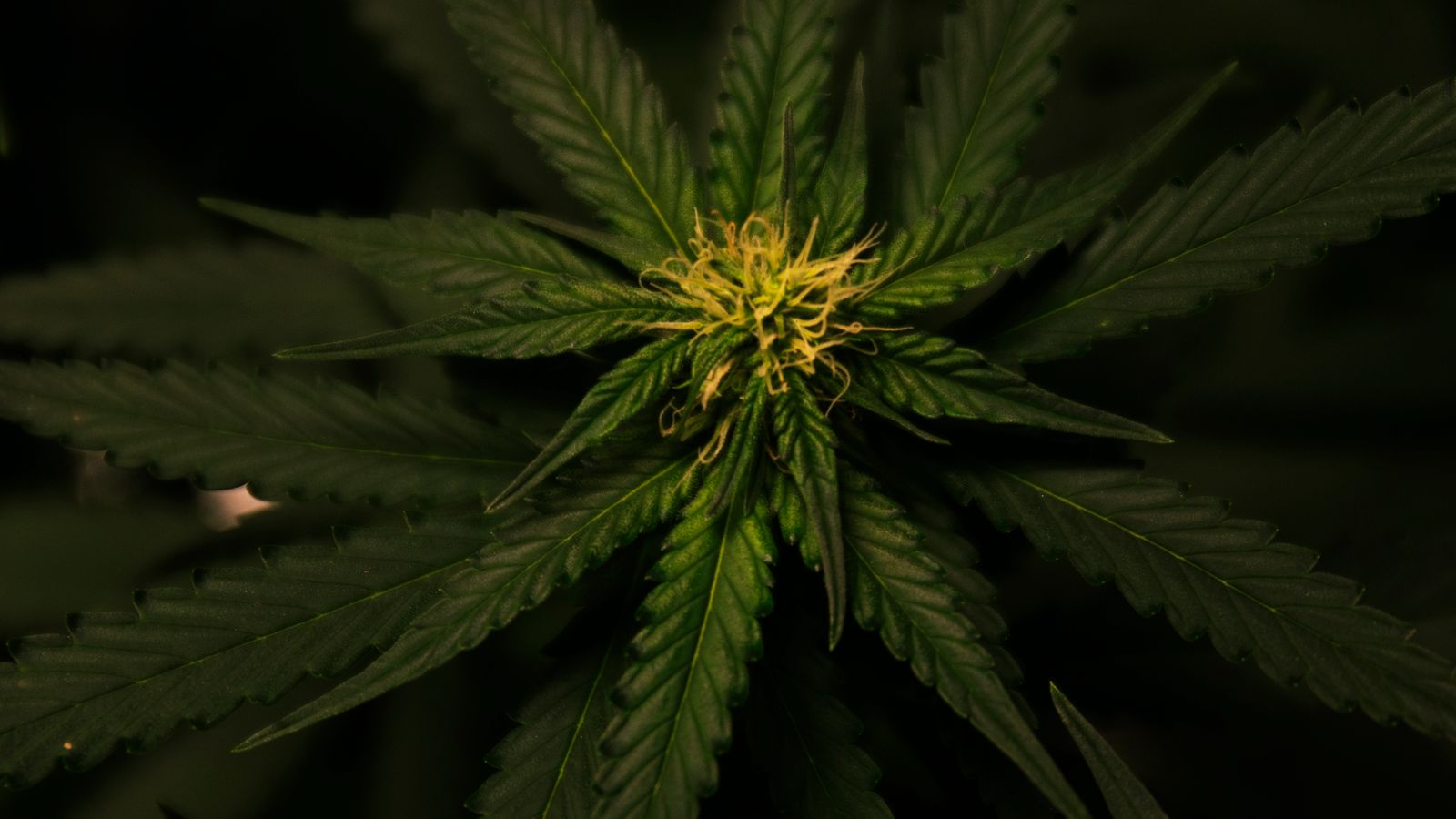
Yellow Fan Leaves on Cannabis: Five Causes, Ranked by Likelihood
Nitrogen deficiency tops the list, but light burn, pH lockout, overwatering, and natural senescence all produce yellowing. Here's how to diagnose each.