Cannabis Use Disorder Rises Among US Adults, New Study Finds
A peer-reviewed study shows cannabis use disorder rates climbing nationwide as potency increases and legalization expands.

A couple receiving relationship counseling from a professional consultant indoors.
Study Documents Nationwide Increase in Dependency Diagnoses
The study found cannabis use disorder rates increased across all demographic groups surveyed between 2020 and 2025. Researchers analyzed diagnostic data from over 180,000 adults across twelve states, tracking self-reported use patterns against DSM-5 criteria for cannabis use disorder. The disorder is characterized by continued use despite significant impairment or distress, failed attempts to quit, and escalating tolerance.
What kills you isn't the plant. It's the pattern. Diagnosis rates rose fastest in states with mature adult-use markets, where high-potency concentrates and edibles dominate retail shelves. Average THC content in surveyed products ranged from 18% in flower to 85% in vape cartridges.
The study controlled for age, income, and prior substance use history. Legalization status alone didn't predict disorder rates—potency and frequency of use were stronger predictors.
High-Potency Products Drive Risk Profile
Adults using concentrates or high-dose edibles daily showed disorder rates 3.2 times higher than those using flower less than weekly. The math is straightforward: more THC per session, more sessions per week, higher dependency risk. Concentrate users reported tolerance buildup within six months of daily use, compared to 18-24 months for flower-only consumers.
Researchers also tracked withdrawal symptoms—irritability, sleep disruption, appetite changes—among daily users who attempted cessation. Roughly 47% of daily concentrate users reported moderate to severe withdrawal, versus 22% of daily flower users.
Edibles presented a different risk vector. Delayed onset and longer duration led some users to re-dose before feeling initial effects, spiking total THC intake unpredictably. One participant logged 180mg THC in a single evening after miscalculating edible timing.
Legalization Expands Access, Complicates Harm Reduction
States with adult-use legalization saw disorder diagnosis rates rise 19% faster than medical-only states over the five-year study window. That doesn't indict legalization. It reflects expanded access and higher baseline use. More users in the denominator means more at-risk users in absolute terms, even if per-capita risk stays flat.
Here's the complication: retail markets optimize for potency and convenience, not harm reduction. Dispensaries stock what moves, and what moves is high-THC. Only three of twelve surveyed states mandate potency warnings or dosing guidance on packaging.
Expanded access without education creates a knowledge gap that some consumers fill with trial and error—often at their own expense.
Medical programs fared slightly better. Patients working with certifying physicians reported lower disorder rates, likely due to dosing oversight and strain selection guidance. But medical markets represent a fraction of total consumption in dual-license states.
Demographic Patterns Reveal Uneven Impact
Young adults aged 21-29 showed the steepest increase in disorder diagnoses, with rates climbing 34% over the study period. This cohort also reported the highest use of concentrates and vape cartridges. Older adults (50+) showed slower growth in disorder rates but higher severity scores when diagnosed, suggesting delayed recognition or stigma barriers to seeking help.
Gender differences were modest but measurable. Men reported higher rates of daily use and concentrate consumption; women reported higher rates of edible use and co-occurring anxiety or sleep disorders. Both groups showed similar overall disorder prevalence once use frequency was controlled.
Income and education didn't predict disorder risk as strongly as use patterns did. A daily user is a daily user, whether they're buying top-shelf live resin or mid-grade distillate.
Treatment Access Lags Behind Diagnosis Growth
Only 11% of adults meeting DSM-5 criteria for cannabis use disorder sought or received treatment during the study window. Barriers included cost, stigma, lack of provider familiarity with cannabis-specific interventions, and the widespread perception that cannabis isn't addictive. That last one's a killer. It keeps people in denial long past the point where use becomes compulsive.
Researchers documented a treatment gap even in states with solid behavioral health infrastructure. Few insurers cover cannabis-specific counseling, and most outpatient programs are designed around alcohol or opioid dependence. Cognitive-behavioral therapy adapted for cannabis use disorder exists, but it's not widely available.
Peer support networks have filled some of the gap, particularly online communities and twelve-step adaptations. These remain niche resources compared to the scale of diagnosed cases.
What the Data Means for Operators and Policymakers
The findings put pressure on state regulators to implement potency caps, dosing education, and harm-reduction messaging at point of sale. Some operators are already moving in that direction—budtender training programs now include dependency risk screening and low-dose product recommendations for new users. But it's inconsistent.
The policy tool most likely to move the needle: mandatory packaging inserts with dosing guidance, tolerance timelines, and disorder symptom checklists. Colorado piloted this in 2025; early data shows modest but measurable reductions in first-time overconsumption incidents.
For cultivators and processors, the signal is mixed. High-potency products aren't going anywhere—the market wants them—but there's a growing niche for lower-THC, higher-terpene cultivars aimed at moderate users. The math on that is still speculative, but the patient-side demand is real.
For full background on this issue, see the CannIntel topic hub on cannabis use disorder.
What to Watch
Next data point: whether states with new adult-use programs (Ohio, Kentucky, Pennsylvania) show similar disorder-rate trajectories as early-adopter markets. If the pattern holds, expect federal agencies to start leaning on potency regulation as a condition for rescheduling or interstate commerce frameworks.
Also watch for insurance coverage changes. If disorder diagnoses keep climbing, payers may start covering cannabis-specific treatment to reduce downstream costs from co-occurring conditions. That's speculative, but the actuarial math is getting harder to ignore.
Frequently asked questions
What is cannabis use disorder?
Cannabis use disorder is a DSM-5-recognized condition characterized by continued use despite significant impairment, failed quit attempts, tolerance buildup, and withdrawal symptoms. It affects roughly 9% of adults who use cannabis, with higher rates among daily users of high-potency products like concentrates.
Why are disorder rates rising in legal states?
Expanded access through adult-use legalization increases total user base, and retail markets favor high-potency products (concentrates, edibles) that carry higher dependency risk. More users plus higher average THC intake per session equals more diagnoses in absolute terms, even if per-capita risk remains stable.
Do high-potency concentrates cause more dependency than flower?
Yes, according to the study. Daily concentrate users showed disorder rates 3.2 times higher than infrequent flower users, with faster tolerance buildup (six months vs. 18-24 months) and more severe withdrawal symptoms during cessation attempts.
What can dispensaries do to reduce disorder risk?
Budtender training on dependency screening, low-dose product recommendations for new users, and mandatory packaging inserts with dosing guidance and symptom checklists. Colorado's 2025 pilot program showed modest reductions in overconsumption incidents after implementing point-of-sale education.
Is treatment available for cannabis use disorder?
Yes, but access is limited. Cognitive-behavioral therapy adapted for cannabis works, but few insurers cover it and most outpatient programs focus on alcohol or opioids. Only 11% of adults meeting disorder criteria received treatment during the study period, citing cost and stigma as barriers.
Sources
The cannabis newsletter you forward to your team.
Federal policy, market data, grower alerts, and the one story that matters today. Sent every weekday at 7am. Free.
No spam. Unsubscribe with one click. 21+ only.
Related from Medical

Cannabis Use Disorder Climbs 20% as Alcohol Disorder Declines in U.S.
New federal data shows cannabis addiction rising faster than any substance while alcohol use disorder falls, reversing a decades-long trend.
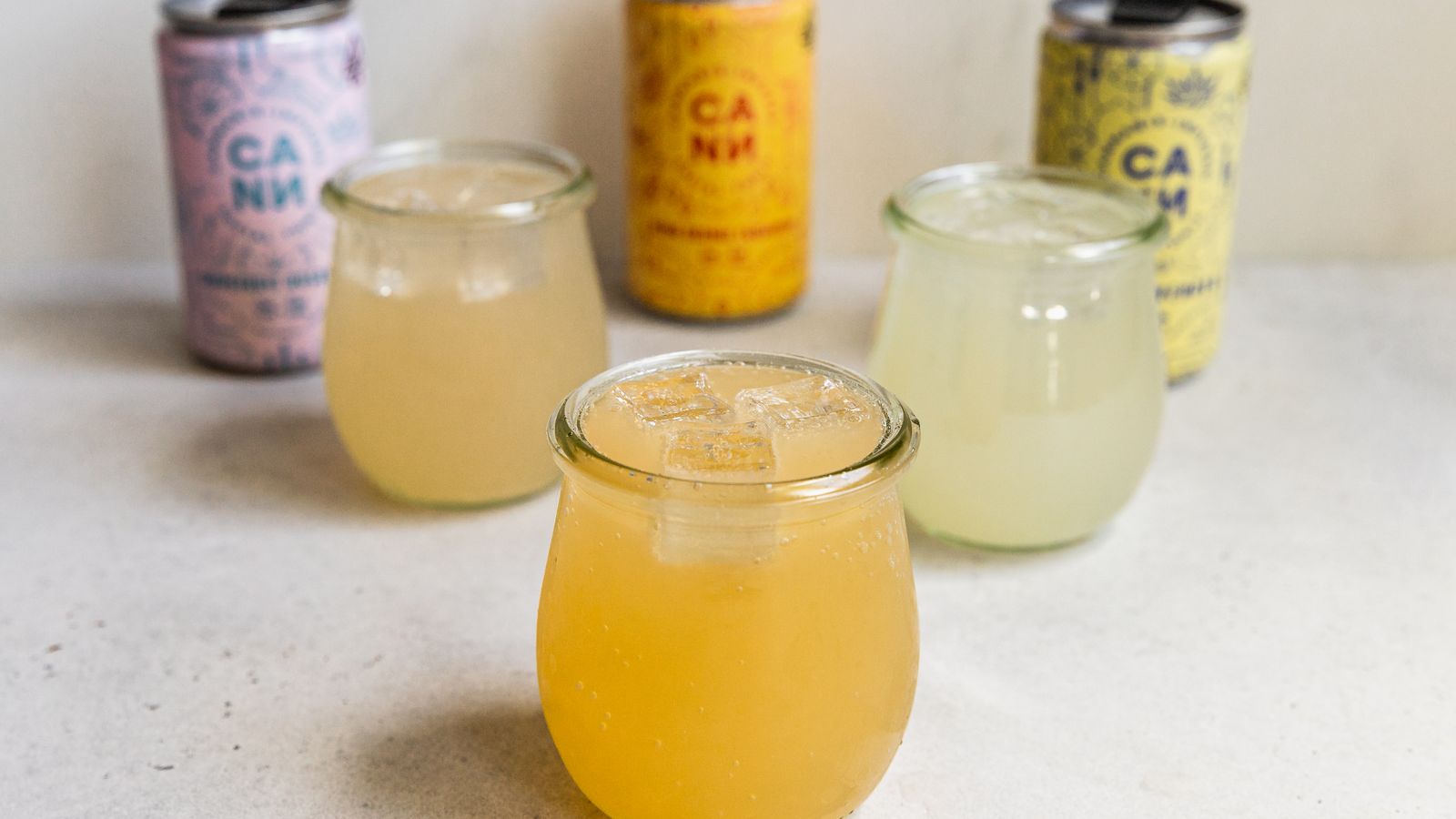
Cannabis Drinks Cut Alcohol Use, Improve Sleep and Mood, Study Finds
New research shows THC beverages help consumers drink less alcohol while reporting better sleep quality and emotional well-being.

NYU Study Links Diverse Cannabis Use Patterns to Heavier Consumption
Research shows consumers using multiple cannabis forms report higher overall intake than single-method users.
More from the newsroom

Germany Abandons Cannabis Club Pilot, Narrows Legalization Framework
Berlin scraps regional retail trials, leaving home cultivation as sole legal access route under revised Cannabis Act.

Minnesota Hemp Farmers Pivot as Federal THC Ban Nears Implementation
Growers in Minnesota are reconsidering hemp cultivation ahead of a federal ban on hemp-derived intoxicating cannabinoids expected to take effect in early 2027.
UK Employers Face New Duty-of-Care Guidance for Medical Cannabis Patients
Legal framework clarifies workplace obligations as prescription cannabis use rises across Britain.