Minnesota Hemp Farmers Pivot as Federal THC Ban Nears Implementation
Growers in Minnesota are reconsidering hemp cultivation ahead of a federal ban on hemp-derived intoxicating cannabinoids expected to take effect in early 2027.

Thriving hemp plants in a North Carolina field under the bright sunlight.
Farmers Face Market Uncertainty Ahead of Regulatory Shift
Hemp growers across Minnesota are reassessing their crop plans as the Drug Enforcement Administration's proposed rule to ban hemp-derived intoxicating cannabinoids—including delta-8 THC, delta-10 THC, and THCA—advances toward a final rule expected in early 2027. The rule, published as an NPRM in December 2025, would reclassify hemp extracts containing more than trace amounts of intoxicating cannabinoids as controlled substances under the Controlled Substances Act, 21 U.S.C. § 812.
Many Minnesota farmers entered hemp production after the 2018 Farm Bill removed industrial hemp from Schedule I, targeting the cannabinoid extraction market rather than fiber or grain. That business model now faces elimination.
Economic Stakes for Minnesota's Hemp Sector
Minnesota's hemp industry generated an estimated $47 million in farm-gate revenue in 2025, with roughly 60% tied to cannabinoid extraction for intoxicating products sold in gas stations, vape shops, and online retailers. The state licensed 312 hemp growers in 2025, down from a peak of 487 in 2023, according to the Minnesota Department of Agriculture.
Farmers who invested in specialized drying infrastructure, extraction partnerships, and high-cannabinoid genetics now face stranded assets. The federal ban doesn't grandfather existing inventory. Unsold 2026 harvest material could become contraband overnight.
Growers Shift to CBD, Fiber, or Exit Entirely
Interviews with Minnesota growers reveal three dominant strategies: pivot to non-intoxicating CBD cultivation, explore industrial fiber markets, or abandon hemp altogether.
- CBD pivot: Some operators are reverting to high-CBD, low-THC cultivars for wellness products, a market that's stabilized but offers lower margins than intoxicating cannabinoids.
- Fiber exploration: A smaller cohort is testing dual-purpose varieties for grain and fiber, targeting textiles and building materials—markets that remain underdeveloped in the U.S.
- Exit: Others are planting row crops or leaving fields fallow, citing regulatory whiplash and capital losses.
State Regulators Await Federal Clarity
The Minnesota Department of Agriculture has issued no formal guidance on the federal rule. Officials say they'll align state hemp regulations with federal law once the DEA finalizes the ban. Minnesota's current hemp program, authorized under Minn. Stat. § 18K.02, doesn't explicitly regulate intoxicating cannabinoids, leaving enforcement to federal authorities.
State officials have privately acknowledged that the ban will eliminate a revenue stream that helped justify the administrative cost of the hemp program, according to industry sources familiar with internal discussions.
Legal Challenges and Implementation Timeline
The DEA's NPRM is currently in the public-comment phase, with a 90-day window closing in late September 2026. Industry groups, including the U.S. Hemp Roundtable and the National Hemp Association, have filed detailed objections arguing that the rule exceeds the DEA's statutory authority under the 2018 Farm Bill's definition of hemp as cannabis containing ≤0.3% delta-9 THC on a dry-weight basis.
The legal argument hinges on whether Congress intended the 0.3% delta-9 threshold to exclude all intoxicating cannabinoids or only delta-9 THC specifically—a question likely headed for federal court.
Litigation is expected within 60 days of the final rule's publication, but injunctive relief is uncertain. Most growers are planning for a scenario in which the ban takes effect as written.
Market Disruption Beyond the Farm Gate
Retailers selling hemp-derived intoxicating products in Minnesota face parallel uncertainty. Many are pulling inventory or negotiating return agreements with distributors. The state's adult-use cannabis market, which launched retail sales in early 2025, hasn't absorbed hemp-derived products into its regulated supply chain, leaving a bifurcated market that the federal ban will collapse.
Processors who purchased 2025 and 2026 hemp harvests under forward contracts are renegotiating terms or invoking force-majeure clauses tied to regulatory changes.
What Comes Next for Minnesota Hemp
The next 90 days will determine whether the DEA modifies the rule in response to industry comments or proceeds to finalization without substantive changes. Minnesota growers are watching three variables: the final rule's effective date, the scope of any grandfathering provisions, and the likelihood of a court-ordered stay.
For full background on the federal rulemaking process and state-by-state impacts, see the CannIntel topic hub on the federal hemp-THC ban. Operators in Ohio, North Carolina, and Oregon face similar recalculations as the 2027 planting season approaches.
For complete background, history, and our ongoing coverage of this story:
Open the CannIntel topic hub →Sources
The cannabis newsletter you forward to your team.
Federal policy, market data, grower alerts, and the one story that matters today. Sent every weekday at 7am. Free.
No spam. Unsubscribe with one click. 21+ only.
Related from Laws

Suffolk Sheriff Tompkins Faces Federal Trial on Cannabis Extortion Charges
Trial begins Monday for Massachusetts sheriff accused of shaking down dispensary applicants for bribes.

Germany's Cannabis Imports Surge 18 Months After Legalization
Import data shows Germany's domestic cultivation lagging as licensed imports climb and policy concerns mount.
Protesters Rally Against Queensland Cannabis Drug-Driving Laws
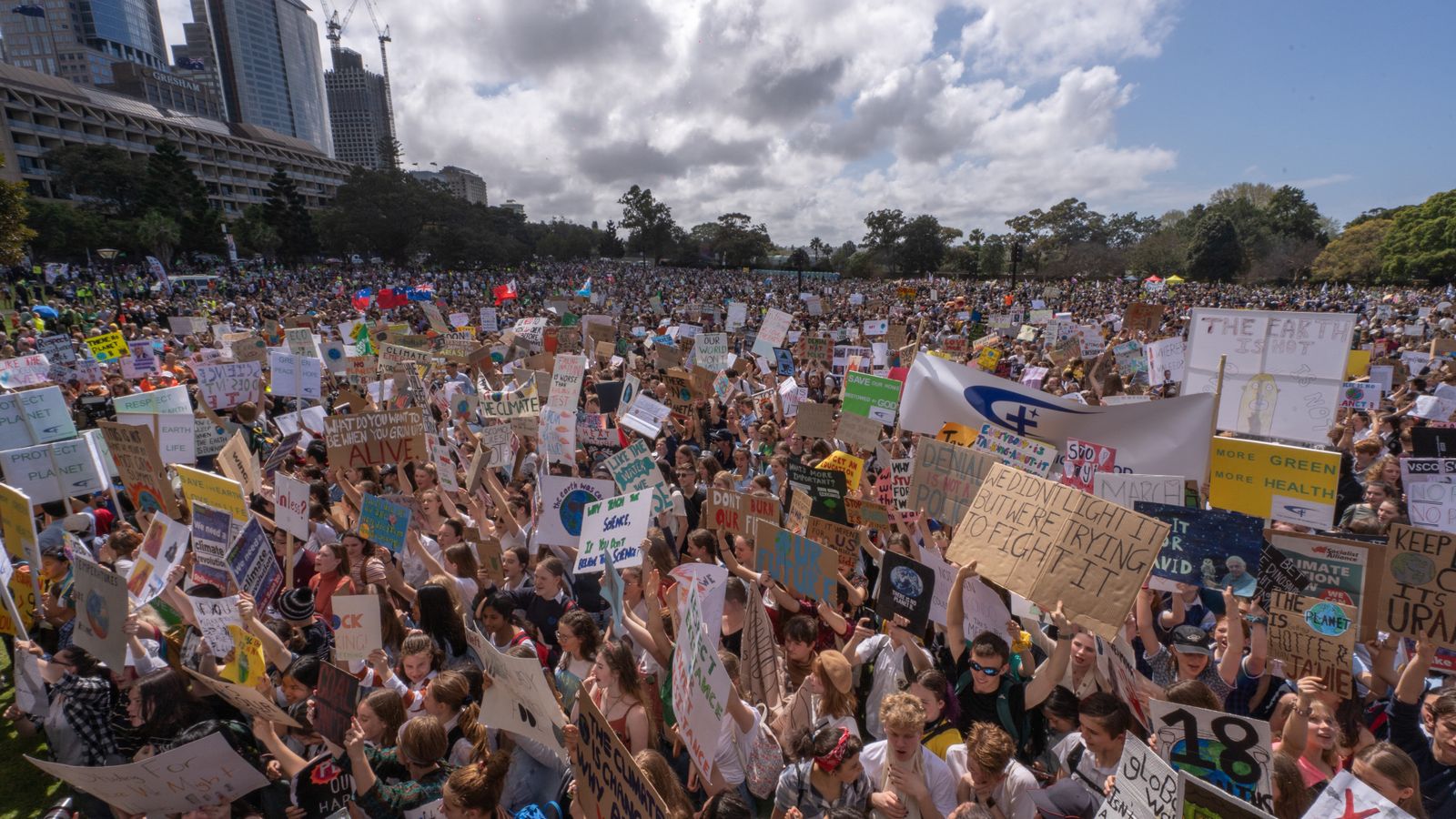
Advocates gathered at Queensland Parliament House to challenge roadside testing rules they say penalize medical cannabis patients.
More from the newsroom

Curaleaf Launches Takeover Bid for Aurora Cannabis
U.S. MSO Curaleaf initiates acquisition offer for Canadian LP Aurora Cannabis in cross-border consolidation play.
Trulieve Completes NYSE Uplisting as Schedule III Takes Effect
Florida MSO transitions to New York Stock Exchange amid federal rescheduling milestone.

California, Michigan and Florida Lead 2026 State Cannabis Sales
New sales data ranks the top 10 state markets as adult-use expansion reshapes regional dominance.