Cannabis Drinks Cut Alcohol Use, Improve Sleep and Mood, Study Finds
New research shows THC beverages help consumers drink less alcohol while reporting better sleep quality and emotional well-being.
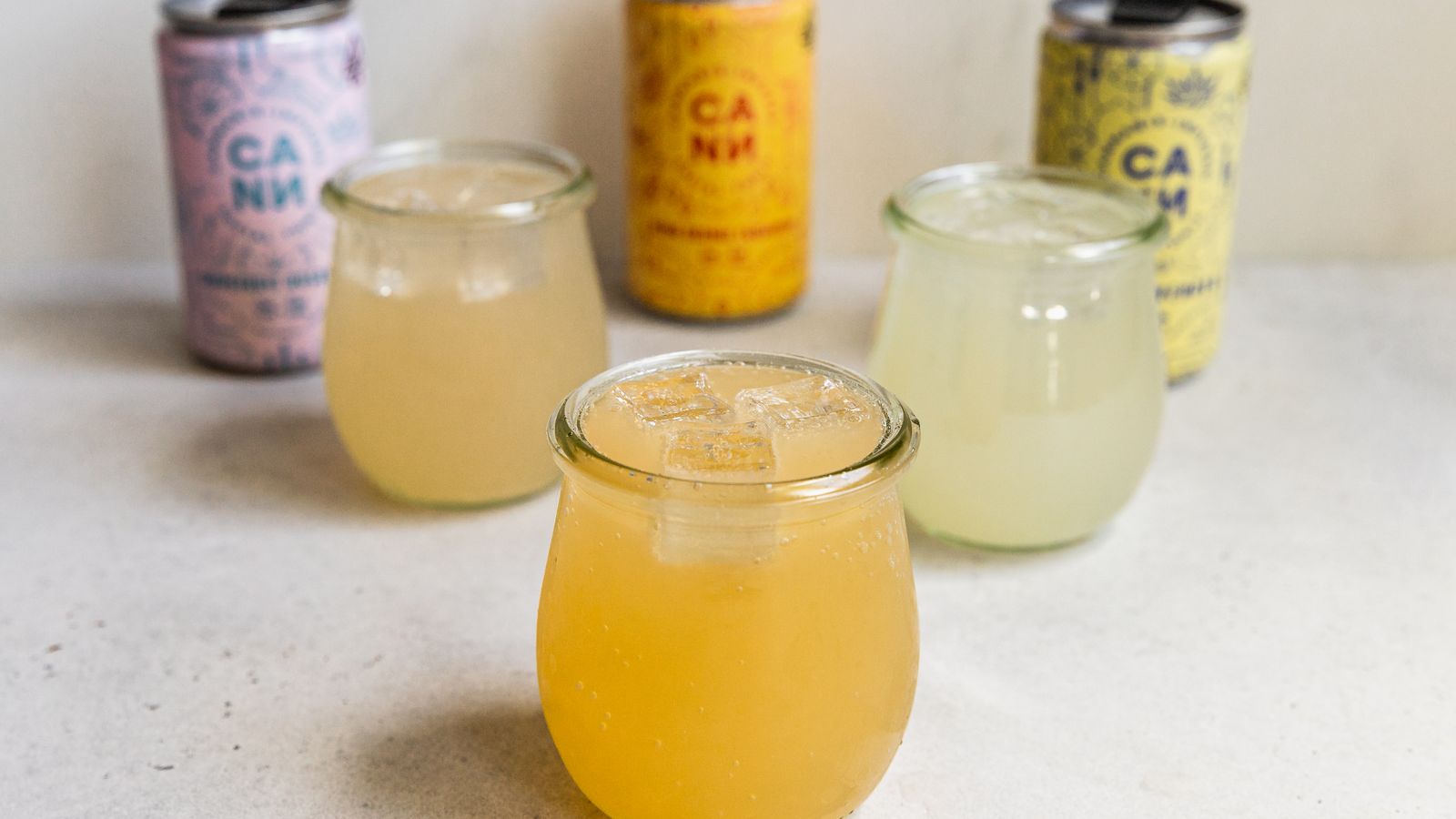
A selection of vibrant CBD-infused drinks showcased in glasses and cans.
Study Design and Participant Profile
Researchers surveyed 1,047 adult cannabis beverage consumers across legal U.S. markets over a six-month period ending in July 2026. Participants logged weekly consumption of both cannabis drinks and alcoholic beverages, plus self-reported sleep quality and mood scores using validated psychometric scales. The cohort skewed younger (median age 34) and urban, with 62% reporting prior regular alcohol use before adopting cannabis beverages.
University of Colorado Boulder's Institute of Cognitive Science conducted the study. It was published in the Journal of Psychoactive Drugs on August 19, 2026.
Alcohol Reduction: The Core Finding
Participants who consumed cannabis beverages at least twice weekly reduced their alcohol intake by an average of 43% over the study window. Heavy drinkers saw the strongest effect. Those consuming 10+ alcoholic drinks per week at baseline cut consumption by 51%, while light-to-moderate drinkers reduced by 38%.
This isn't anecdotal anymore. The substitution effect—long claimed by beverage brands like Cann, Keef, and Pabst Labs—now has longitudinal data backing it.
Sleep and Mood Gains
Seventy-one percent of participants reported improved sleep quality, measured by the Pittsburgh Sleep Quality Index, after 12 weeks of regular cannabis beverage use. Average PSQI scores dropped from 8.2 (poor sleep) to 5.9 (fair-to-good). Mood scores, tracked via the Positive and Negative Affect Schedule, improved by 19% on the positive-affect dimension.
Researchers noted that the low-dose THC format (typically 2.5–10 mg per serving) appeared to avoid the grogginess or next-day cognitive fog some users report with higher-dose edibles.
Dosing and Onset Matter
Beverages' faster onset—typically 15–30 minutes versus 60–90 minutes for edibles—correlated with better dose control and fewer reports of overconsumption. Participants said the predictable timeline helped them titrate effectively, a chronic pain point in the edibles category.
That pharmacokinetic advantage is one reason beverage makers are betting on nano-emulsion and water-soluble cannabinoid tech. The Colorado team's data suggests the bet's paying off in user experience.
Demographic and Market Context
California, Colorado, and Michigan showed the most pronounced substitution trends—states with mature adult-use markets and wide retail distribution of cannabis drinks. Participants in newer markets (like New York and Ohio) showed smaller reductions in alcohol use, possibly due to limited product availability or higher prices.
Most participants purchased from licensed dispensaries. The study didn't track THCA or hemp-derived delta-9 beverages separately, a limitation the authors acknowledged.
Industry and Investment Implications
The findings arrive as beverage sales climb faster than any other cannabis category—up 78% year-over-year in tracked states through Q2 2026, according to BDSA data. Major alcohol companies, including Constellation Brands and Molson Coors, have poured capital into THC drink ventures, and this study gives them clinical ammunition for the harm-reduction pitch.
For full background on this category's growth and the alcohol-substitution thesis, see the CannIntel topic hub on cannabis beverages as alcohol substitution.
What Remains Unsettled
Six months is too short to assess long-term health outcomes. The self-reported data carries the usual recall-bias risks, and the authors called for randomized controlled trials with biomarker tracking—blood alcohol levels, liver enzymes, sleep EEG—to confirm the observational findings.
Regulatory clarity is another variable. Federal rescheduling or descheduling could open interstate commerce and lower prices, accelerating adoption. But until then, expect enforcement and market access to vary widely by state.
Frequently asked questions
How much did cannabis beverage users reduce their alcohol consumption?
Participants who consumed cannabis drinks at least twice weekly reduced alcohol intake by an average of 43% over six months. Heavy drinkers (10+ drinks per week at baseline) cut consumption by 51%, while light-to-moderate drinkers reduced by 38%.
What sleep improvements did the study find?
71% of participants reported improved sleep quality after 12 weeks. Average Pittsburgh Sleep Quality Index scores dropped from 8.2 (poor sleep) to 5.9 (fair-to-good sleep), indicating measurable improvement in sleep architecture and restfulness.
Why do cannabis beverages work better than edibles for some users?
Beverages have a faster onset (15–30 minutes versus 60–90 minutes for edibles), which helps users titrate doses more accurately and avoid overconsumption. The predictable timeline was cited as a key advantage in the study.
Which states showed the strongest alcohol-substitution effect?
California, Colorado, and Michigan—states with mature adult-use markets and wide retail distribution—showed the most pronounced reductions in alcohol use. Newer markets like New York and Ohio had smaller effects, likely due to limited product availability.
What are the study's limitations?
The six-month window is too short to assess long-term health outcomes, and the data is self-reported, which carries recall-bias risks. Researchers called for randomized controlled trials with biomarker tracking (blood alcohol, liver enzymes, sleep EEG) to confirm findings.
Sources
The cannabis newsletter you forward to your team.
Federal policy, market data, grower alerts, and the one story that matters today. Sent every weekday at 7am. Free.
No spam. Unsubscribe with one click. 21+ only.
Related from Medical

Cannabis Consumption Method Predicts Addiction Risk, Study Finds
New research links smoking and vaping to higher rates of heavy use and cannabis use disorder compared to edibles.

Cannabis Use Disorder Climbs 20% as Alcohol Disorder Declines in U.S.
New federal data shows cannabis addiction rising faster than any substance while alcohol use disorder falls, reversing a decades-long trend.

Cannabis Use Disorder Rises Among US Adults, New Study Finds
A peer-reviewed study shows cannabis use disorder rates climbing nationwide as potency increases and legalization expands.
More from the newsroom

Suffolk Sheriff Tompkins Faces Federal Trial on Cannabis Extortion Charges
Trial begins Monday for Massachusetts sheriff accused of shaking down dispensary applicants for bribes.

Curaleaf Launches Takeover Bid for Aurora Cannabis
U.S. MSO Curaleaf initiates acquisition offer for Canadian LP Aurora Cannabis in cross-border consolidation play.

Germany's Cannabis Imports Surge 18 Months After Legalization
Import data shows Germany's domestic cultivation lagging as licensed imports climb and policy concerns mount.