Three States Join Fight Against DEA Marijuana Rescheduling as Deadline Looms
Nebraska, Kansas, and Idaho filed objections to the DEA's proposed Schedule III move just days before the comment period closes.
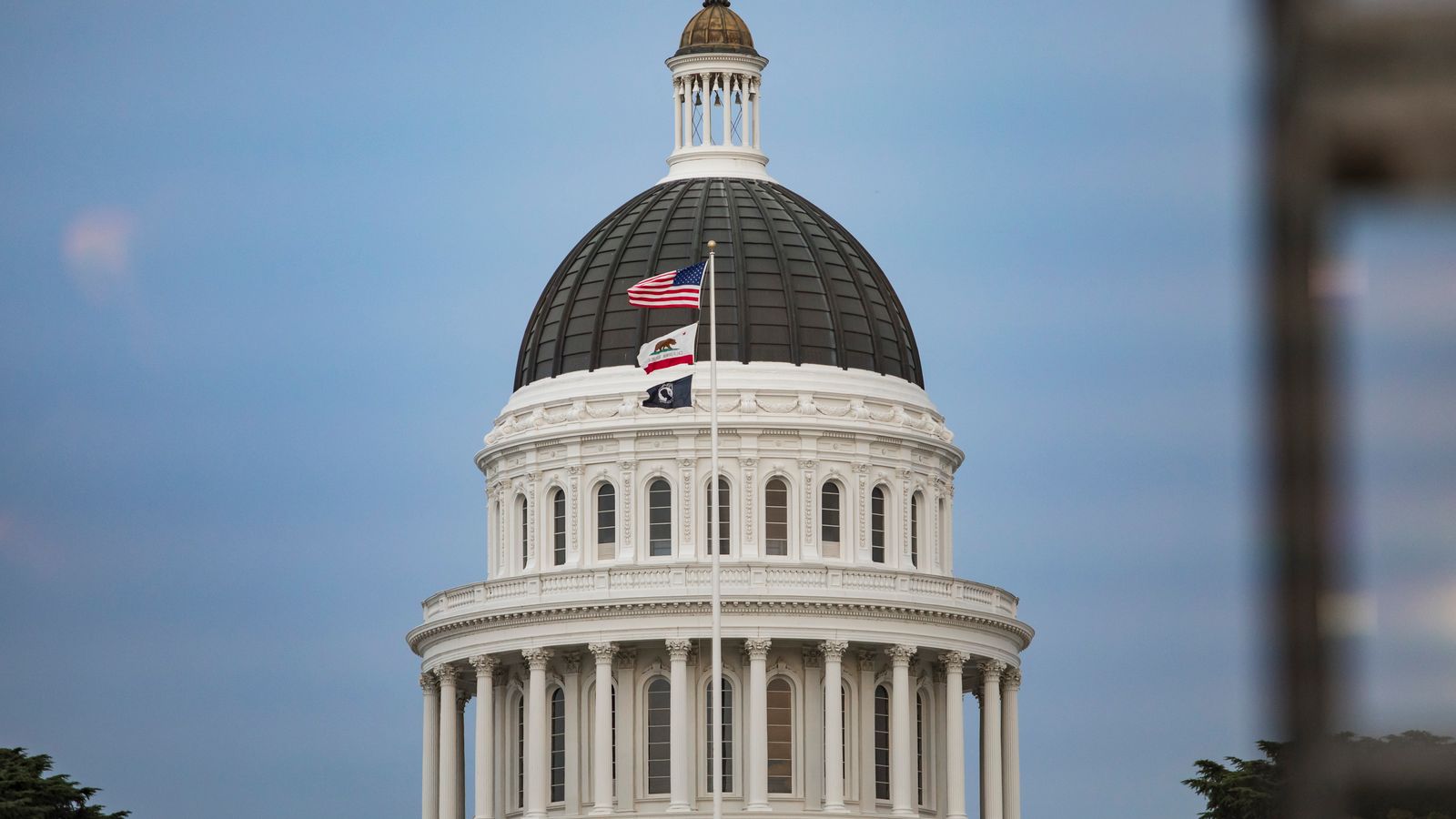
View of California State Capitol dome with American and state flags.
Three States File Last-Minute Objections
Nebraska, Kansas, and Idaho submitted formal comments opposing the DEA's rescheduling proposal on May 27, 2026, less than a week before the agency's comment period closes. The filings mirror arguments raised by other conservative-leaning states, focusing on enforcement conflicts and international drug treaty compliance. All three states maintain strict cannabis prohibitions. They've resisted hemp-derived intoxicant markets.
The timing is critical. The DEA's comment window for the Notice of Proposed Rulemaking (NPRM) closes June 2, 2026. Late-stage objections from state attorneys general can complicate the agency's timeline for finalizing the rule, particularly if they raise novel legal questions requiring formal response.
Core Arguments: Enforcement Conflicts and Treaty Obligations
The three states argue that Schedule III rescheduling would undermine their ability to enforce state-level cannabis bans and violate the United States' commitments under the 1961 Single Convention on Narcotic Drugs. Kansas Attorney General Kris Kobach's filing emphasized that rescheduling would create "irreconcilable conflicts" between state prohibition statutes and federal regulatory frameworks that assume legal access pathways.
Moving cannabis to Schedule III would legitimize medical use claims while leaving state-level criminal penalties in legal limbo, the states contend. Schedule III includes ketamine and anabolic steroids.
Idaho's submission focused on treaty compliance, asserting that the 1961 convention requires cannabis to remain in the most restrictive category. International law scholars have contested that argument, noting the convention allows for domestic medical use frameworks. For context on the broader DEA process, see the CannIntel topic hub on DEA rescheduling.
What Happens Next
The DEA must review and respond to all substantive comments before issuing a final rule, a process that typically takes months and can extend past a year if objections trigger additional review. The agency hasn't committed to a timeline for finalization. State-level opposition doesn't carry veto power, but it can force the DEA to address legal and policy questions in the final rule's preamble, potentially delaying implementation.
Expect enforcement to vary. Even if the DEA finalizes Schedule III rescheduling, states retain authority to criminalize cannabis under their own statutes. The conflict between federal rescheduling and state prohibition will remain unsettled until courts weigh in or Congress acts. Watch for two signals: whether additional states file objections before the June 2 deadline, and whether the DEA extends the comment period in response to late-stage filings.
For complete background, history, and our ongoing coverage of this story:
Open the CannIntel topic hub →Frequently asked questions
Which states filed objections to DEA rescheduling on May 27, 2026?
Nebraska, Kansas, and Idaho submitted formal comments opposing the DEA's proposal to move marijuana from Schedule I to Schedule III. All three states maintain strict cannabis prohibition laws.
When does the DEA's comment period for rescheduling close?
The public comment window for the DEA's Notice of Proposed Rulemaking (NPRM) closes on June 2, 2026. Late-stage objections from state attorneys general can complicate the agency's timeline for finalizing the rule.
What are the main arguments against rescheduling from these states?
The states argue that Schedule III placement would create enforcement conflicts with state-level bans and violate U.S. commitments under the 1961 Single Convention on Narcotic Drugs, which they claim requires cannabis to remain in the most restrictive category.
Can state objections block the DEA from rescheduling marijuana?
No. State-level opposition does not carry veto power over federal rulemaking. However, substantive objections can force the DEA to address legal questions in its final rule, potentially delaying implementation by months or longer.
What happens if the DEA reschedules marijuana but states keep it illegal?
States retain authority to criminalize cannabis under their own statutes even if the DEA moves it to Schedule III. The conflict between federal rescheduling and state prohibition will remain legally unsettled until courts rule or Congress intervenes.
Sources
The cannabis newsletter you forward to your team.
Federal policy, market data, grower alerts, and the one story that matters today. Sent every weekday at 7am. Free.
No spam. Unsubscribe with one click. 21+ only.
Related from Laws

Physicians Face License Risk Over Unapproved CMS Hemp Products
Doctors prescribing CMS-covered hemp products without FDA approval may violate state medical board rules.

Virginia Governor Vetoes Retail Cannabis Bill, Leaving Hemp Market Open
Glenn Youngkin's veto of SB 1698 blocks regulated adult-use sales while preserving the unregulated hemp-derived THC market.

Guam Cannabis Board May Act on Applicants Amid Credential Delays
The Guam Cannabis Control Board faces mounting pressure as license applicants report no response on expired background checks and credentials.
More from the newsroom

Corn Earworm Infestations Threaten U.S. Hemp Crops as Growers Deploy IPM
Helicoverpa zea populations surge across commercial hemp acreage, prompting growers to adopt integrated pest management protocols mid-season.
Yellow Fan Leaves on Cannabis: Five Causes, Ranked by Likelihood
Nitrogen deficiency tops the list, but light burn, pH lockout, overwatering, and natural senescence all produce yellowing. Here's how to diagnose each.

Missouri Sets Final Draw for 77 Microbusiness Equity Licenses in June
State cannabis regulators will conduct the last equity lottery after rule changes refocused the program on social-equity applicants.