Texas Adjusts THC Felony Thresholds Under New 2026 Statute
Revised possession and concentration triggers reshape criminal exposure for concentrate and edible offenses.

A USA map with cannabis joints and coins, symbolizing legal marijuana and its economic impact.
Revised Felony Thresholds by Weight and Concentration
The 2026 amendments establish a two-tier felony structure: possession of ≥4 grams of concentrate or product containing ≥10% THC by weight triggers a state-jail felony; ≥400 grams or ≥50% THC triggers a second-degree felony. Prior law applied a single 4-gram threshold for all concentrates regardless of potency. The new statute, codified as Texas Health and Safety Code §481.121(b)(7), now differentiates between low-potency edibles and high-potency distillates.
Possession of less than 4 grams of concentrate—or product under 10% THC—remains a Class B misdemeanor, punishable by up to 180 days in county jail and a $2,000 fine. State-jail felonies carry 180 days to 2 years. Second-degree felonies? Two to twenty years in prison.
The concentration metric applies to the entire product weight, not isolated cannabinoid mass. A 10-gram brownie containing 15% THC by weight (1.5 grams of THC) meets the state-jail felony threshold. A 5-gram vape cartridge containing 85% THC triggers the higher tier if total weight exceeds 4 grams and concentration exceeds 50%.
Implications for Delta-8 THC and Hemp-Derived Products
The statute doesn't distinguish between Delta-9 THC, Delta-8 THC, THCA, or other isomers; all fall under the same concentration and weight triggers. Texas Department of State Health Services confirmed in an August 1, 2026 guidance memo that "total THC" includes Delta-8, Delta-10, THCP, and THCA when measured by standard lab methods.
This interpretation creates criminal liability for products marketed as "hemp-derived" if total THC concentration exceeds 10% by weight. Retailers selling Delta-8 edibles or THCA flower above the concentration threshold face felony exposure identical to Delta-9 concentrate possession. On a strict reading, the statute's plain language doesn't carve out federally compliant hemp (≤0.3% Delta-9 THC by dry weight under 7 U.S.C. §1639o) if total THC exceeds state thresholds.
Prosecution Standards and Testing Protocol
Texas Department of Public Safety crime labs now use high-performance liquid chromatography (HPLC) to measure total THC, including precursor cannabinoids like THCA that convert to Delta-9 THC when heated. This methodology, adopted statewide in July 2026, increases measured THC concentration by 15–25% compared to prior gas chromatography methods that decarboxylated samples during testing.
Prosecutors must prove both weight and concentration elements beyond a reasonable doubt. Defense counsel have challenged lab-certification procedures in 14 pending cases, according to Texas Criminal Defense Lawyers Association data through July 31, 2026. The primary dispute centers on whether HPLC results accurately reflect "THC" as defined in §481.002(26) or improperly aggregate non-psychoactive precursors.
- State-jail felony: ≥4 grams and ≥10% total THC
- Second-degree felony: ≥400 grams or ≥50% total THC
- Class B misdemeanor: <4 grams or <10% total THC
- Testing standard: HPLC measuring total cannabinoids, not Delta-9 alone
Sentencing Enhancements and Collateral Consequences
Felony THC convictions trigger mandatory driver's license suspension for 180 days under Texas Transportation Code §521.372, ineligibility for federal student aid under 20 U.S.C. §1091(r), and permanent firearm prohibition under 18 U.S.C. §922(g)(1). State-jail felonies don't qualify for deferred adjudication in most counties, eliminating a common diversion path for first-time offenders.
Repeat offenders face enhanced penalties. A second state-jail felony elevates to a third-degree felony (2–10 years), and a prior felony of any class converts a new state-jail felony into a second-degree felony under Texas Penal Code §12.425. These enhancements apply automatically; prosecutors need not file separate enhancement pleadings.
What Operators and Consumers Should Monitor
The Texas Legislature's 2027 session will consider HB 218, which proposes to exclude hemp-derived cannabinoids from Chapter 481 penalties if products comply with federal hemp definitions. The bill, pre-filed July 15, 2026, has 22 co-sponsors but faces opposition from law-enforcement groups citing youth-access concerns.
Retailers selling Delta-8, THCA, or other hemp-derived products above 10% total THC concentration should consult Texas criminal-defense counsel on inventory-compliance strategies. Consumers possessing concentrates or edibles should verify product lab reports showing total THC below statutory thresholds. For full background on this story, see the CannIntel topic hub on Texas THC Laws.
Watch for Texas DPS publication of standardized HPLC testing protocols, expected September 1, 2026, which will clarify whether THCA is converted to Delta-9 equivalents or reported as a separate analyte. That distinction determines whether most THCA flower exceeds the 10% trigger.
For complete background, history, and our ongoing coverage of this story:
Open the CannIntel topic hub →Frequently asked questions
Is possession of any amount of THC a felony in Texas?
No. Possession of <4 grams of concentrate or product containing <10% total THC remains a Class B misdemeanor. Felony charges require ≥4 grams and ≥10% concentration (state-jail felony) or ≥400 grams or ≥50% concentration (second-degree felony) under Texas Health and Safety Code §481.121(b)(7).
Does the new law apply to Delta-8 THC and THCA products?
Yes. Texas DPS guidance dated August 1, 2026 confirms that "total THC" includes Delta-8, Delta-10, THCP, and THCA. Products marketed as hemp-derived face the same felony thresholds if total THC exceeds 10% by weight, regardless of Delta-9 THC content.
How does Texas measure THC concentration for prosecution?
Texas DPS crime labs use high-performance liquid chromatography (HPLC), which measures total cannabinoids including non-decarboxylated THCA. This method reports 15–25% higher THC concentrations than prior gas chromatography, increasing the likelihood products exceed the 10% felony threshold.
What are the penalties for a state-jail felony THC conviction?
State-jail felonies carry 180 days to 2 years in state jail, up to a $10,000 fine, mandatory 180-day driver's license suspension, federal student-aid ineligibility, and lifetime firearm prohibition. Most counties don't offer deferred adjudication for state-jail felonies.
Will Texas exempt hemp-derived THC products in the future?
Possibly. HB 218, pre-filed for the 2027 legislative session, would exclude hemp-derived cannabinoids from Chapter 481 penalties if products meet federal hemp definitions (≤0.3% Delta-9 THC). The bill has 22 co-sponsors but faces law-enforcement opposition.
Sources
The cannabis newsletter you forward to your team.
Federal policy, market data, grower alerts, and the one story that matters today. Sent every weekday at 7am. Free.
No spam. Unsubscribe with one click. 21+ only.
Related from Laws

Houston Voters to Decide Marijuana Deprioritization Ballot Measure
Proposition on November ballot would make misdemeanor possession HPD's lowest enforcement priority.

Utah's Medical Cannabis Program Offers Blueprint for Conservative Rollout
Stakeholders cite Utah's restrictive framework as a model for states seeking tight regulatory control over patient access.
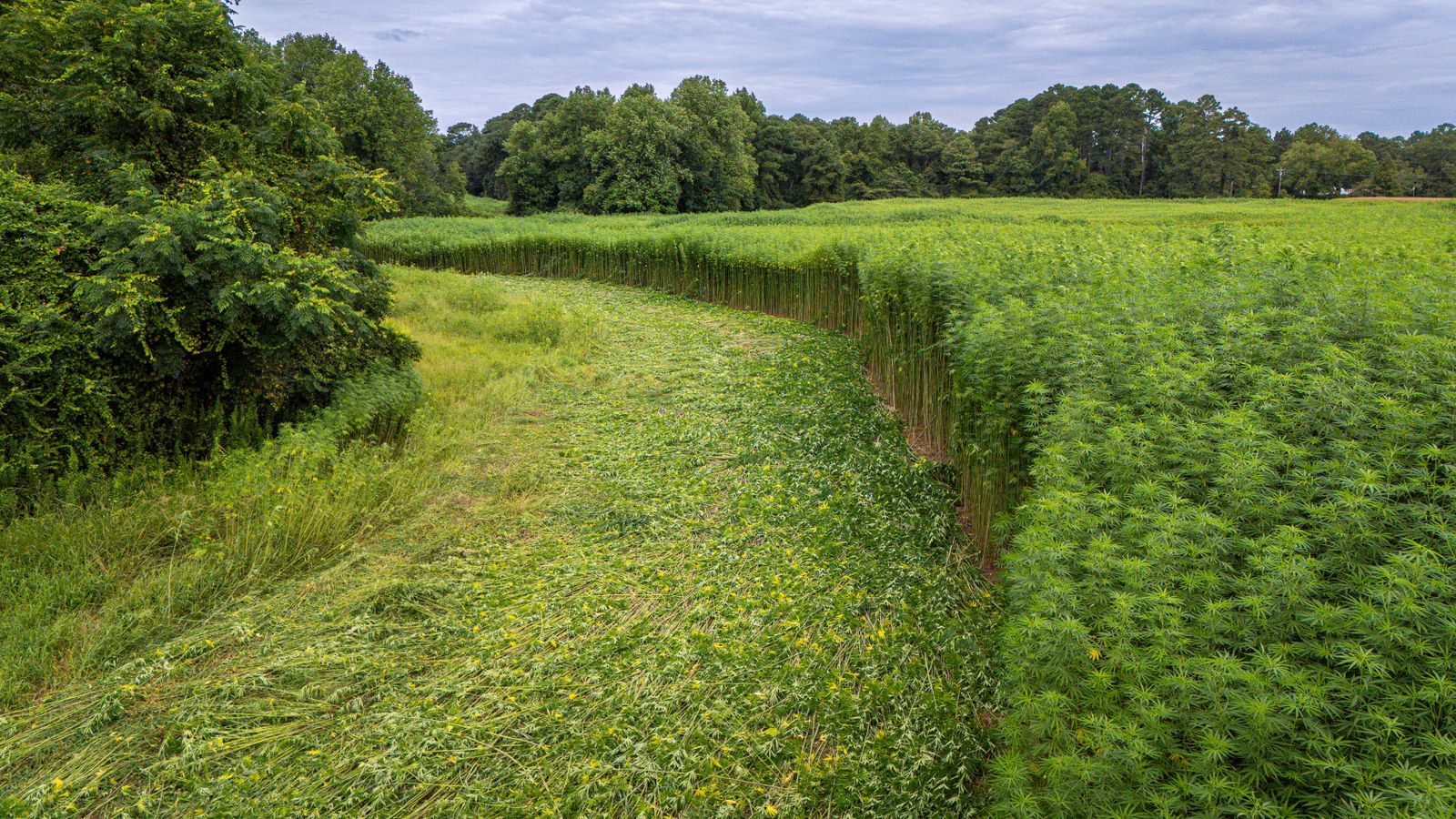
GOP senators tie hemp THC 'loophole' to Chinese criminal networks
Four Republican senators signal no reprieve for hemp cannabinoid ban, citing alleged Chinese involvement in intoxicating-hemp supply chain.
More from the newsroom

Verano Preps Entry Into Major New Market Amid MSO Expansion Push
The Chicago-based MSO is readying infrastructure and capital for a significant geographic expansion as adult-use markets continue opening.

California Pesticide Testing Rules Push Clean-Cannabis Compliance Costs
State's pesticide screening mandate adds $400-$800 per batch, forcing cultivators to choose between clean inputs and margin survival.

Arizona, Missouri, Kentucky Show Three Stages of Cannabis Market Maturity
Myles Mayfield maps recurring pressures that shift operator priorities as markets evolve from scarcity to competition.