Texas Bans Delta-8 and Synthetic THC Products
State regulators move to prohibit hemp-derived intoxicants in sweeping enforcement action.
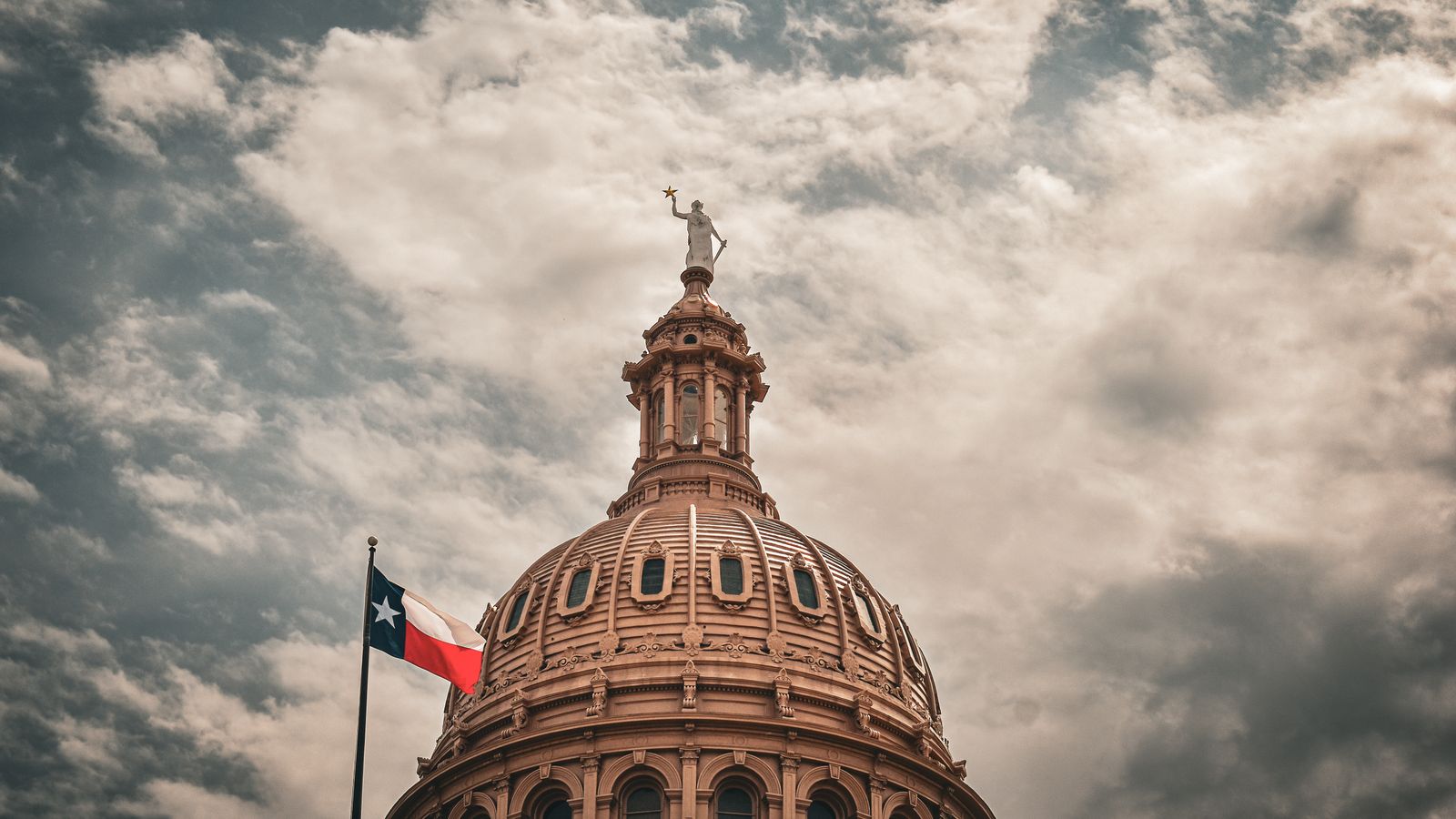
The dome of the Texas State Capitol with a Texas flag under a cloudy sky.
State Ends Three-Year Hemp Loophole
Texas regulators shut down the state's unregulated delta-8 THC market effective immediately. The enforcement action targets delta-8, delta-10, THC-O, and other semi-synthetic cannabinoids derived from hemp that have operated in a legal gray zone since the 2018 Farm Bill federally legalized hemp with less than 0.3% delta-9 THC.
The ban affects an estimated 2,000+ retail locations statewide that sold delta-8 gummies, vapes, and tinctures without state oversight or testing requirements. Texas becomes the 16th state to restrict or ban hemp-derived intoxicants.
What Products Are Prohibited
The ban covers all synthetically derived tetrahydrocannabinols, not just delta-8. Prohibited compounds include delta-8 THC, delta-10 THC, THC-O acetate, HHC (hexahydrocannabinol), and THCP. Products containing these cannabinoids must be removed from shelves immediately.
Any THC isomer produced through chemical conversion or synthesis falls under the ban. That includes products marketed as "hemp-derived" if the active cannabinoid was created through isomerization of CBD.
Enforcement Timeline and Penalties
Retailers face immediate compliance deadlines with no grace period for inventory sell-through. The Texas Department of State Health Services issued the ban without a phase-out window. Operators now hold unsold inventory with no legal avenue to liquidate stock.
Violations carry penalties ranging from $1,000 fines per incident to potential criminal charges for continued sales. State health inspectors will conduct compliance sweeps at smoke shops, convenience stores, and vape retailers beginning next week.
Industry Economic Impact
Texas's delta-8 market generated an estimated $500 million in annual sales before the ban. The state's 30 million residents represented one of the largest hemp-derived THC markets in the country. Delta-8 products were widely available in urban and rural counties alike.
Wholesale distributors in Houston, Dallas, and Austin supplied thousands of retail accounts. Many operators pivoted to delta-8 after Texas failed to legalize adult-use cannabis in three consecutive legislative sessions. The economic fallout is immediate.
Federal Farm Bill Conflict
The ban highlights ongoing tension between federal hemp legalization and state cannabis enforcement. The 2018 Farm Bill legalized hemp and hemp-derived cannabinoids but left states free to impose their own restrictions. Texas is exercising that authority despite hemp's federal legal status.
For full background on this regulatory conflict, see the CannIntel topic hub on the Texas delta-8 ban. The state's move comes as Congress debates the 2023 Farm Bill reauthorization, which may include tighter controls on intoxicating hemp products.
Neighboring State Comparison
Texas now joins Oklahoma and Arkansas in banning delta-8, while Louisiana maintains a regulated hemp-THC market. Oklahoma prohibited delta-8 in 2022 after launching its medical marijuana program. Arkansas followed in 2023. Louisiana requires lab testing and potency limits but allows sales.
New Mexico permits delta-8 with no restrictions. That creates a cross-border arbitrage opportunity for Texas consumers near the state line.
Medical Cannabis Program Unaffected
Texas's limited medical cannabis program, the Compassionate Use Program, remains operational and unchanged by the delta-8 ban. The program allows low-THC cannabis products (up to 1% THC by weight) for patients with qualifying conditions including epilepsy, PTSD, and terminal cancer.
Roughly 200,000 Texans are enrolled in the Compassionate Use Program as of July 2026. The program doesn't permit delta-8 or synthetic cannabinoids, only whole-plant cannabis extracts from state-licensed cultivators.
The next signal: whether Texas retailers challenge the ban in court on federal preemption grounds. Similar lawsuits in other states have produced mixed results, with most courts upholding state authority to regulate intoxicating substances regardless of hemp's federal status.
For complete background, history, and our ongoing coverage of this story:
Open the CannIntel topic hub →Sources
The cannabis newsletter you forward to your team.
Federal policy, market data, grower alerts, and the one story that matters today. Sent every weekday at 7am. Free.
No spam. Unsubscribe with one click. 21+ only.
Related from Laws
Ghana Approves Two Licensed Medical Cannabis Producers
NACOC grants cultivation licenses to two operators under strict medicinal-use framework.

Texas Bans Certain THC Products, Businesses Face Compliance Crisis
New Texas law prohibits delta-8 and other hemp-derived THC products, leaving retailers scrambling to clear inventory.
DOJ Finalizes Schedule III Reclassification for Medical Marijuana
The Justice Department's final order moves cannabis from Schedule I to Schedule III, reshaping federal drug policy and workplace compliance.
More from the newsroom

VA Secretary Cites 'Massive Progress' on Psychedelic PTSD Treatments
Veterans Affairs moves toward psychedelic-assisted therapy for PTSD following Trump's April executive order.

Amsterdam-Style Cannabis Café Eyes Valencia Street for Summer 2027
A San Francisco operator is planning the Mission's first on-site consumption lounge, targeting a mid-2027 launch on Valencia.

New York Court Blocks Local Zoning Restriction on Cannabis Dispensary
A Long Island court ruled local zoning ordinances cannot bar state-licensed cannabis retailers from opening.