Ghana Approves Two Licensed Medical Cannabis Producers
NACOC grants cultivation licenses to two operators under strict medicinal-use framework.
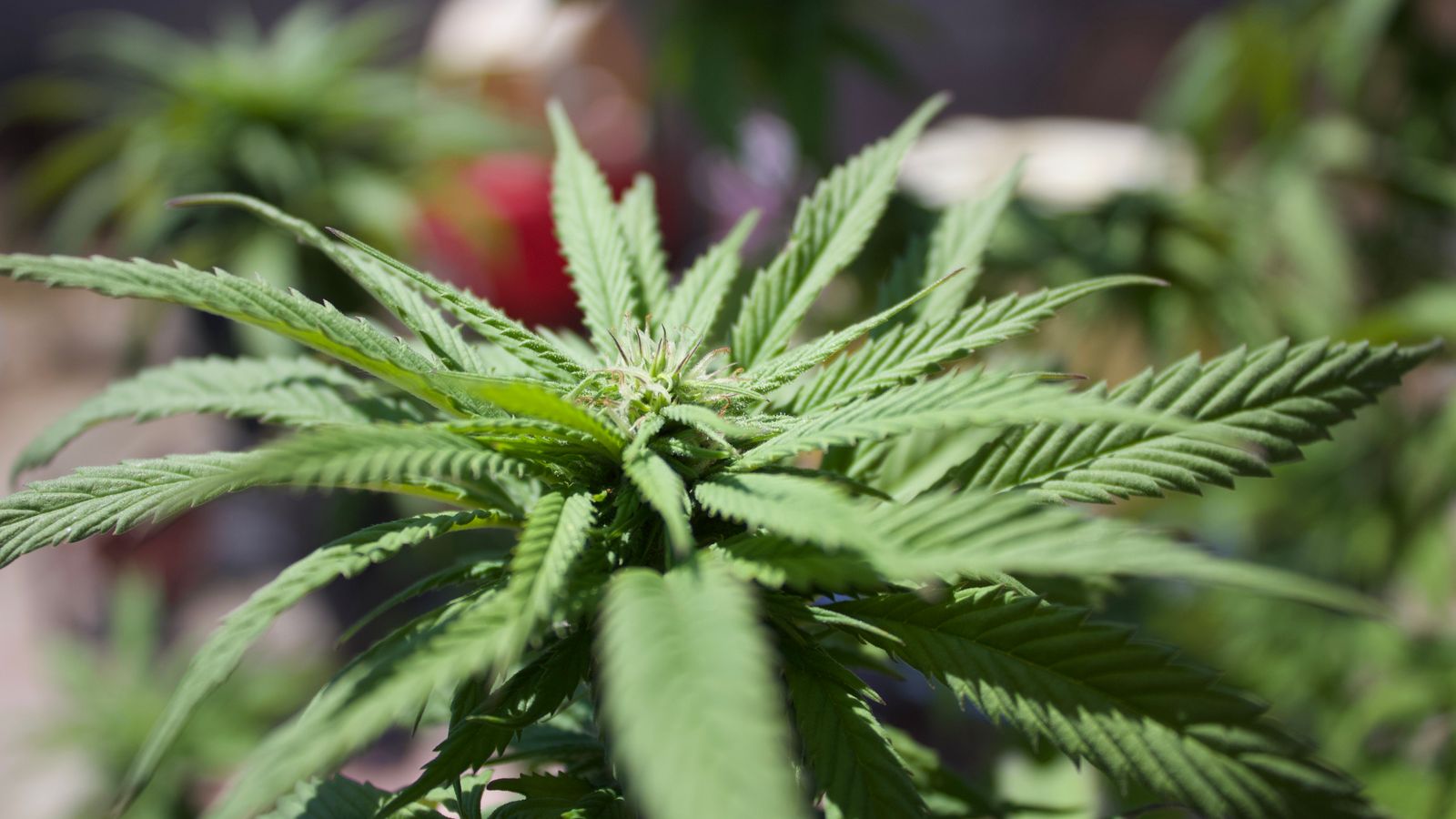
Close-up view of a lush green cannabis plant with distinct leaves under sunlight outdoors.
First Operational Licenses Under 2020 Framework
NACOC issued cultivation and production licenses to two undisclosed operators on August 1, 2026, six years after Ghana legalized medical cannabis. The licenses permit cultivation, extraction, and processing exclusively for pharmaceutical applications. Ghana's Narcotics Control Commission Act (Act 1019) established the regulatory pathway in 2020, but operational licensing stalled until mid-2026 due to infrastructure and compliance delays.
Approved operators must meet strict security, tracking, and quality-control standards set by NACOC. Recreational cannabis remains illegal under Ghanaian law. The licenses carry explicit prohibitions on diversion to non-medical markets.
Regulatory Requirements and Oversight
Licensed producers face mandatory seed-to-sale tracking, facility inspections, and product testing for cannabinoid content and contaminants. NACOC retains authority to revoke licenses if operators fail compliance audits or divert product. The commission hasn't disclosed the identity of the two licensees, citing ongoing security assessments.
Ghana's framework mirrors models in Lesotho and Zimbabwe, which also restrict cannabis production to export-oriented pharmaceutical markets. The country aims to supply cannabinoid APIs (active pharmaceutical ingredients) to international pharmaceutical manufacturers.
Market Access and Export Pathways
Ghana's medical-cannabis program targets European and North American pharmaceutical buyers, not domestic dispensaries. No legal pathway exists for retail medical cannabis sales to patients. Licensed producers must secure export permits from NACOC and import permits from destination countries before shipment.
Both approved operators are expected to begin cultivation in Q4 2026, with first harvests projected for mid-2027. NACOC hasn't announced production caps or acreage limits for the initial licenses.
Ghana's entry into the medical-cannabis export market positions it alongside Lesotho and Zimbabwe as sub-Saharan Africa's third licensed producer, but the country's late start may limit its competitiveness against established suppliers.
Enforcement Gaps and Diversion Risks
NACOC's enforcement capacity remains untested. The commission hasn't published audit protocols or penalty schedules for license violations. Ghana's porous borders and limited interdiction resources raise questions about diversion control. The commission hasn't disclosed whether licensed facilities will employ third-party security or rely solely on internal monitoring.
International buyers typically require ISO 17025-accredited lab testing and GMP (Good Manufacturing Practice) certification. NACOC hasn't confirmed whether Ghana's approved operators have secured these credentials.
Economic Projections and Job Creation
Ghana's Ministry of Finance projected $100 million in annual cannabis-export revenue by 2028, but that estimate predates the six-year licensing delay. The two approved licenses represent a fraction of the 10-15 operators the government originally anticipated by 2024. Job-creation estimates ranged from 5,000 to 8,000 positions across cultivation, processing, and logistics.
Licensing delays have allowed competitors in Lesotho and Zimbabwe to capture early-mover advantages in European pharmaceutical supply chains. Ghana's late entry may force operators to compete on price rather than market position.
Patient Access Remains Prohibited
Ghana's framework doesn't authorize domestic medical-cannabis dispensaries, physician recommendations, or patient possession. Production is permitted exclusively for export. Patients seeking cannabis-based medicines must rely on imported pharmaceutical products, which remain subject to stringent import controls and prescription requirements.
NACOC hasn't announced plans to expand the program to domestic patient access. Advocacy groups have criticized the export-only model as a missed opportunity to address local medical needs.
What to Watch
NACOC's next licensing round is expected in 2027, but the commission hasn't published application timelines or criteria. Ghana's program success hinges on whether the two approved operators can secure international buyers and meet pharmaceutical-grade quality standards. Enforcement consistency will determine whether Ghana avoids the diversion scandals that have plagued cannabis programs in other African jurisdictions.
For full background on this story, see the CannIntel topic hub on Ghana's medical cannabis program.
Frequently asked questions
Can patients in Ghana legally access medical cannabis?
No. Ghana's framework authorizes production exclusively for export to pharmaceutical manufacturers. Domestic medical-cannabis dispensaries, physician recommendations, and patient possession remain illegal under current law.
Who are the two licensed cannabis producers in Ghana?
NACOC has not disclosed the identity of the two approved operators, citing ongoing security assessments and facility inspections.
When will Ghana's licensed producers begin cultivation?
The two approved operators are expected to begin cultivation in Q4 2026, with first harvests projected for mid-2027. NACOC has not announced production caps or acreage limits.
What are the export requirements for Ghanaian cannabis producers?
Licensed producers must secure export permits from NACOC and import permits from destination countries. International buyers typically require ISO 17025 lab testing and GMP certification, which NACOC has not confirmed the operators hold.
How does Ghana's program compare to other African cannabis markets?
Ghana follows Lesotho and Zimbabwe in authorizing pharmaceutical-grade cannabis exports. However, Ghana's six-year licensing delay has allowed competitors to capture early-mover advantages in European supply chains.
Sources
The cannabis newsletter you forward to your team.
Federal policy, market data, grower alerts, and the one story that matters today. Sent every weekday at 7am. Free.
No spam. Unsubscribe with one click. 21+ only.
Related from Laws

Texas Bans Certain THC Products, Businesses Face Compliance Crisis
New Texas law prohibits delta-8 and other hemp-derived THC products, leaving retailers scrambling to clear inventory.

DOJ Finalizes Schedule III Reclassification for Medical Marijuana
The Justice Department's final order moves cannabis from Schedule I to Schedule III, reshaping federal drug policy and workplace compliance.

Texas Bans Delta-8 and Synthetic THC Products
State regulators move to prohibit hemp-derived intoxicants in sweeping enforcement action.
More from the newsroom

VA Secretary Cites 'Massive Progress' on Psychedelic PTSD Treatments
Veterans Affairs moves toward psychedelic-assisted therapy for PTSD following Trump's April executive order.

Amsterdam-Style Cannabis Café Eyes Valencia Street for Summer 2027
A San Francisco operator is planning the Mission's first on-site consumption lounge, targeting a mid-2027 launch on Valencia.

New York Court Blocks Local Zoning Restriction on Cannabis Dispensary
A Long Island court ruled local zoning ordinances cannot bar state-licensed cannabis retailers from opening.