South Carolina Veterans Group Pushes Medical Cannabis Debate Forward
Advocacy coalition cites PTSD treatment gap as state legislature remains stalled on medical marijuana access.

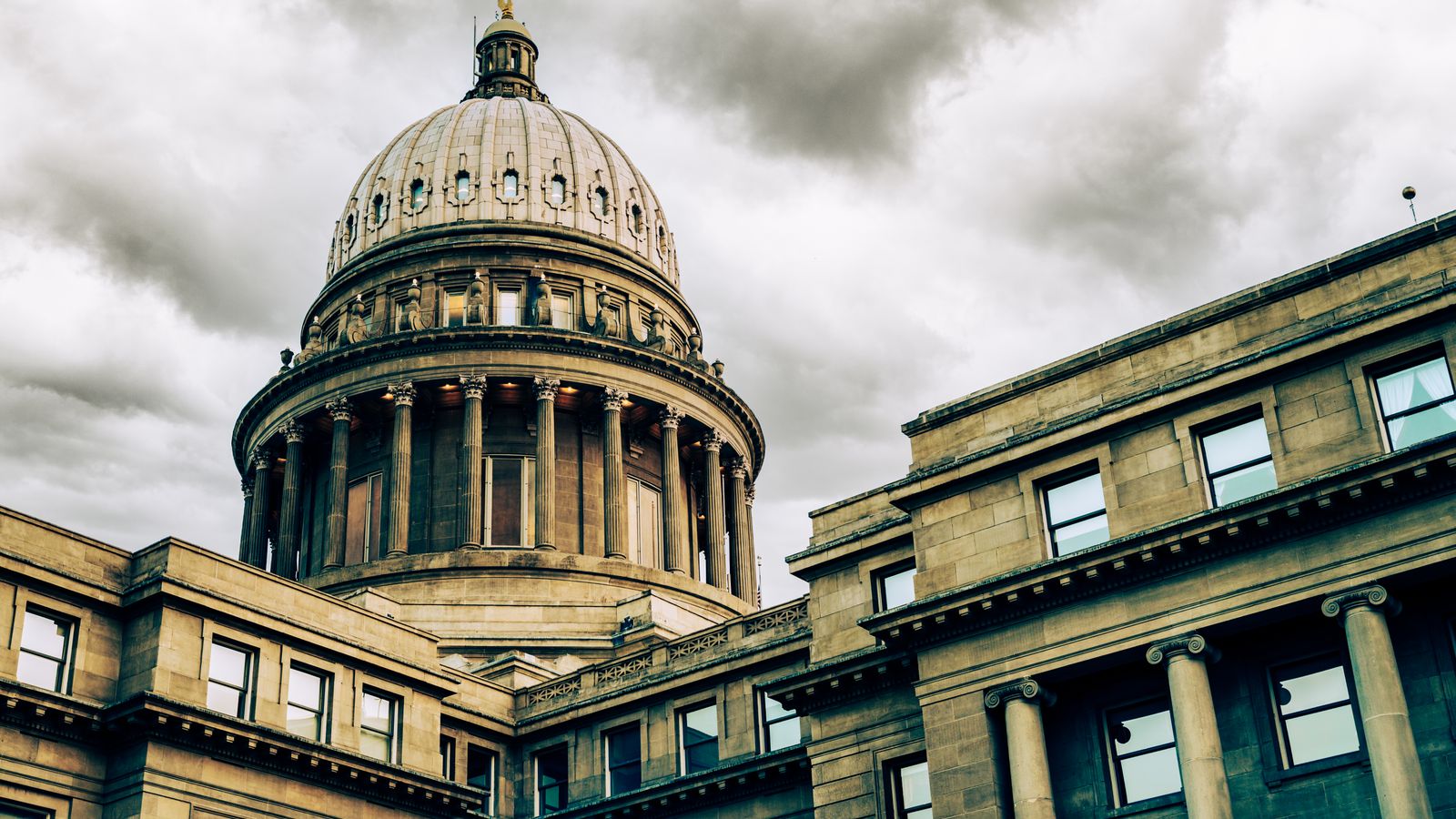
Captivating evening view of the South Carolina State House with grand columns and soft lighting.
Veterans Coalition Frames Medical Access as Healthcare Equity Issue
The South Carolina Veterans Cannabis Coalition released a public statement arguing that continued prohibition forces veterans to choose between federal benefits and state-legal treatment options available in 38 other states. South Carolina veterans currently face a binary choice, according to the coalition's July 14 press release: relocate to access medical cannabis programs, or forego a treatment modality that peer-reviewed literature associates with symptom reduction in PTSD and neuropathic pain.
The coalition cited VA data showing South Carolina has the ninth-highest veteran suicide rate nationally at 32.8 per 100,000 in 2024, compared to a national average of 27.5. The group doesn't claim causation. Instead, it frames medical cannabis access as one component of a comprehensive mental health strategy.
South Carolina law currently classifies cannabis as a Schedule I controlled substance under S.C. Code Ann. § 44-53-190, with no carve-out for medical use. Possession of any amount remains a misdemeanor carrying up to 30 days incarceration for first offense.
Legislative History Shows Repeated Stalls in Committee
South Carolina's General Assembly has considered medical marijuana bills in seven sessions since 2014, with none advancing past Senate committee review. The most recent iteration, S.150 (the South Carolina Compassionate Care Act), passed the Senate Medical Affairs Committee in February 2024 but died without a floor vote before the session's June adjournment.
S.150 would've established a vertically integrated licensing structure capping cultivators at ten statewide. The qualifying condition list was narrow, limited to:
- Cancer and chemotherapy-related nausea
- Epilepsy and seizure disorders
- Glaucoma
- Crohn's disease and ulcerative colitis
- PTSD (for veterans with documented VA diagnosis)
- Multiple sclerosis and ALS
The bill explicitly excluded smokable flower. Permissible forms included oils, tinctures, topicals, and vaporizable concentrates with THC caps at 15% by weight—mirroring Minnesota's 2014 framework more closely than any neighboring state's current program.
House leadership hasn't committed to bringing a companion bill in the 2027 session, which convenes January 12, 2027. Speaker Murrell Smith told the Charleston Post and Courier in May 2026 that medical marijuana "does not have the votes" in the House Republican caucus.
Revenue and Regulatory Framework Remain Unresolved
No fiscal impact analysis has been published for S.150. That leaves unresolved questions about state revenue potential, regulatory agency designation, and tax treatment under South Carolina's 6% sales tax and potential excise structures. The South Carolina Department of Revenue hasn't issued guidance on whether medical cannabis sales would be subject to the state's standard sales tax or a separate excise levy, as seen in neighboring North Carolina's proposed framework (15% excise at retail).
Federal tax treatment under IRC §280E would apply to any South Carolina licensee, prohibiting deduction of ordinary business expenses for entities trafficking in Schedule I substances. That federal burden persists regardless of state legalization unless Congress enacts the SAFER Banking Act or a successor statute.
For full background on this legislative timeline and stakeholder positions, see the CannIntel topic hub on South Carolina Medical Marijuana.
The next legislative window opens January 12, 2027. Veterans advocacy groups have signaled intent to lobby House leadership directly in the interim, with a focus on Republican members representing districts with above-average veteran populations in the Upstate and Pee Dee regions.
Frequently asked questions
Does South Carolina currently allow medical marijuana?
No. South Carolina law classifies cannabis as Schedule I under S.C. Code Ann. § 44-53-190 with no medical exception. Possession of any amount is a misdemeanor punishable by up to 30 days incarceration for first offense.
What conditions would qualify under South Carolina's proposed medical cannabis law?
S.150 proposed six qualifying conditions: cancer, epilepsy, glaucoma, Crohn's disease, PTSD (veterans only with VA diagnosis), and ALS/MS. The bill excluded chronic pain and anxiety disorders common in other state programs.
When could South Carolina's medical marijuana program launch if legislation passes?
S.150 included an 18-month implementation timeline from enactment, requiring the designated regulatory agency to issue cultivation licenses, establish testing protocols, and certify dispensaries before patient sales. Earliest operational date would be mid-2028 if a bill passes in the 2027 session.
Would South Carolina medical marijuana businesses face federal tax penalties?
Yes. IRC §280E prohibits deduction of ordinary business expenses for entities trafficking in Schedule I controlled substances. South Carolina licensees would face effective federal tax rates of 70-85% on gross profit until Congress enacts SAFER Banking or cannabis is descheduled federally.
Sources
The cannabis newsletter you forward to your team.
Federal policy, market data, grower alerts, and the one story that matters today. Sent every weekday at 7am. Free.
No spam. Unsubscribe with one click. 21+ only.
Related from Laws
Idaho Court Challenge Questions Who Sets State Cannabis Policy
Legal dispute centers on whether voters or legislature control marijuana law in Idaho.

Utah Poll Shows Majority Support Medical Expansion, Recreational Cannabis
New survey reveals shifting public opinion on cannabis policy in one of the nation's most restrictive states.

Georgia Removes Medical Cannabis Barriers Under New Law
Legislation signed this week eliminates prior authorization requirements and expands qualifying conditions for the state's medical cannabis program.
More from the newsroom

Betty's Eddies Launches Cannabis-Infused Multivitamin Gummies
The brand is blending THC with vitamins and minerals in a bid to compete with wellness supplements.

Idaho medical cannabis initiative fails on signature irregularities
State officials disqualified the 2026 ballot measure after finding forged signatures and procedural errors.

New York Launches Teen Cannabis Education Campaign Post-Legalization
State health officials roll out myth-busting initiative targeting adolescent misconceptions about legal cannabis