Idaho Court Challenge Questions Who Sets State Cannabis Policy
Legal dispute centers on whether voters or legislature control marijuana law in Idaho.
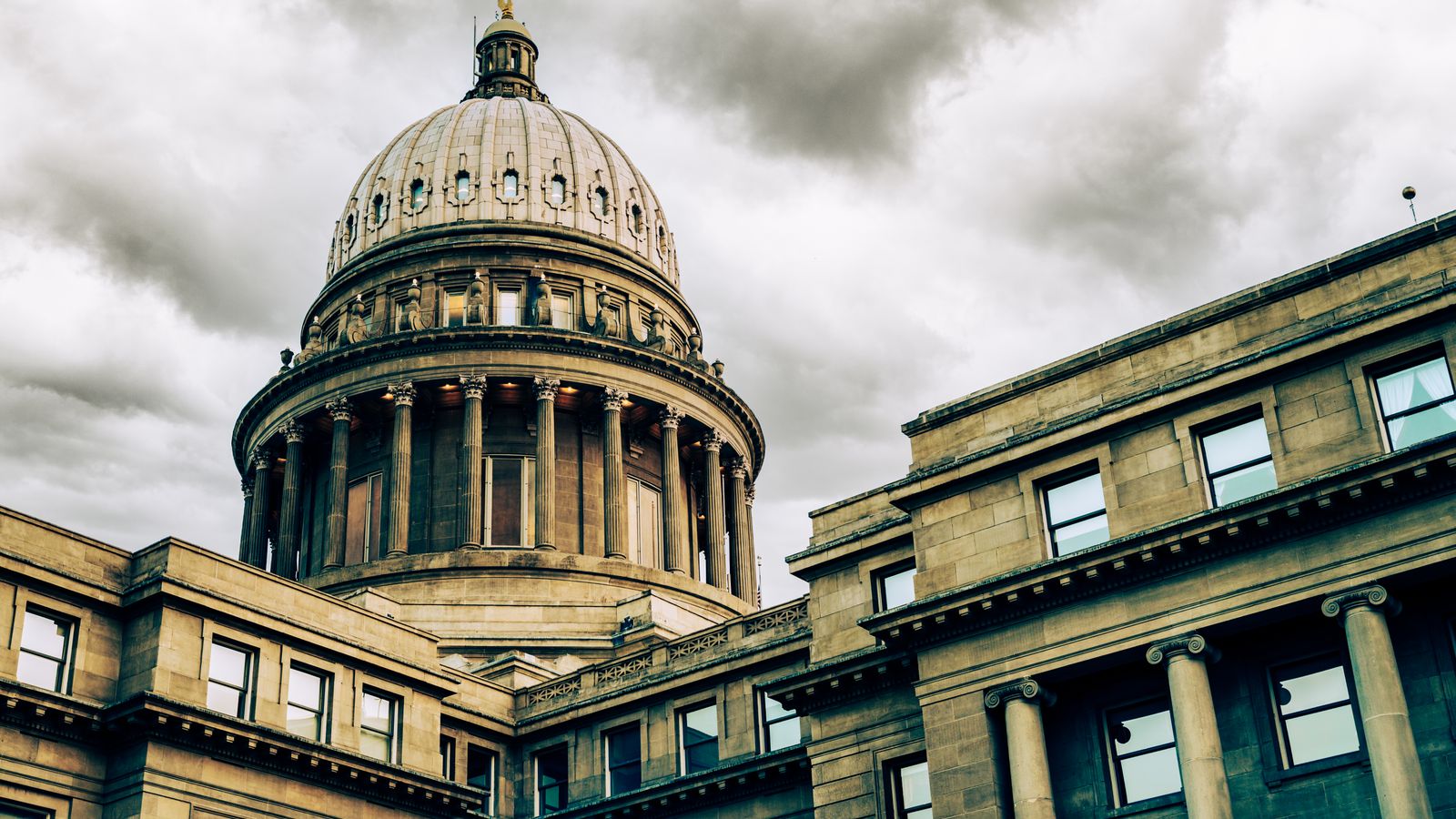
Stunning view of a classic capitol building with a prominent dome set against a dramatic, cloudy sky.
The Constitutional Question
Idaho's constitution grants voters the right to initiative and referendum, but opponents argue marijuana policy falls under legislative authority. The challenge was filed in Idaho district court on July 14, 2026, according to KREM.
Idaho remains one of three states with no legal cannabis program. Article III, Section 1 of the state constitution reserves initiative power to the people. It doesn't explicitly carve out drug policy as off-limits. The legal question: does the legislature's police power override direct democracy on controlled substances?
The Stakes for Medical Cannabis Advocates
A successful challenge would block the 2026 medical marijuana initiative before it reaches voters. Advocates have been gathering signatures since March 2026 for a measure that would allow patients with qualifying conditions to access cannabis through state-licensed dispensaries.
The initiative would create a regulated medical program overseen by the Idaho Department of Health and Welfare. Qualifying conditions include cancer, epilepsy, PTSD, and chronic pain. Adult-use legalization isn't addressed.
If the court rules that only the legislature can change marijuana law, the initiative dies regardless of signature count. That would force advocates to lobby lawmakers directly, a path that's failed repeatedly in Idaho's Republican-controlled statehouse.
Idaho's Prohibition Stance and the Federal Rescheduling Context
Idaho has resisted cannabis reform even as the DEA moves to reschedule marijuana from Schedule I to Schedule III. Republican leadership has consistently opposed legalization, citing public health and federal law concerns.
Governor Brad Little signed legislation in 2023 that reaffirmed Idaho's prohibition and explicitly rejected any future federal rescheduling as grounds for state policy change. That law, Idaho Code § 37-2701, defines marijuana as a Schedule I controlled substance under state law, independent of federal classification.
The disconnect creates a legal puzzle. If the DEA finalizes Schedule III rescheduling in 2026, Idaho law will classify cannabis more strictly than federal law—the inverse of the usual dynamic, where states legalize while the federal government prohibits.
For more on how state-level prohibition interacts with federal rescheduling, see the CannIntel topic hub on Idaho marijuana laws.
What Happens Next
The district court hasn't set a hearing date. Both sides are expected to file briefs by late July 2026. If the court sides with the challengers, advocates will likely appeal to the Idaho Supreme Court, a process that could stretch into 2027.
Signature gathering continues in the meantime. The initiative needs 62,888 valid signatures by November 2026 to qualify for the ballot. Organizers say they've collected roughly 45,000 as of early July.
The political variable: if the court rules in favor of voter authority, Idaho could join the growing list of red states where voters bypassed legislatures to legalize cannabis. If not? Idaho's prohibition holds indefinitely.
Sources
The cannabis newsletter you forward to your team.
Federal policy, market data, grower alerts, and the one story that matters today. Sent every weekday at 7am. Free.
No spam. Unsubscribe with one click. 21+ only.
Related from Laws

Utah Poll Shows Majority Support Medical Expansion, Recreational Cannabis
New survey reveals shifting public opinion on cannabis policy in one of the nation's most restrictive states.

Georgia Removes Medical Cannabis Barriers Under New Law
Legislation signed this week eliminates prior authorization requirements and expands qualifying conditions for the state's medical cannabis program.

Idaho medical cannabis initiative fails on signature irregularities
State officials disqualified the 2026 ballot measure after finding forged signatures and procedural errors.
More from the newsroom

Betty's Eddies Launches Cannabis-Infused Multivitamin Gummies
The brand is blending THC with vitamins and minerals in a bid to compete with wellness supplements.

New York Launches Teen Cannabis Education Campaign Post-Legalization
State health officials roll out myth-busting initiative targeting adolescent misconceptions about legal cannabis

Glass House Launches Interstate Cannabis Shipments Between California, Oregon
California MSO becomes first licensed operator to ship flower across state lines under DEA Schedule III framework.