Georgia Removes Medical Cannabis Barriers Under New Law
Legislation signed this week eliminates prior authorization requirements and expands qualifying conditions for the state's medical cannabis program.

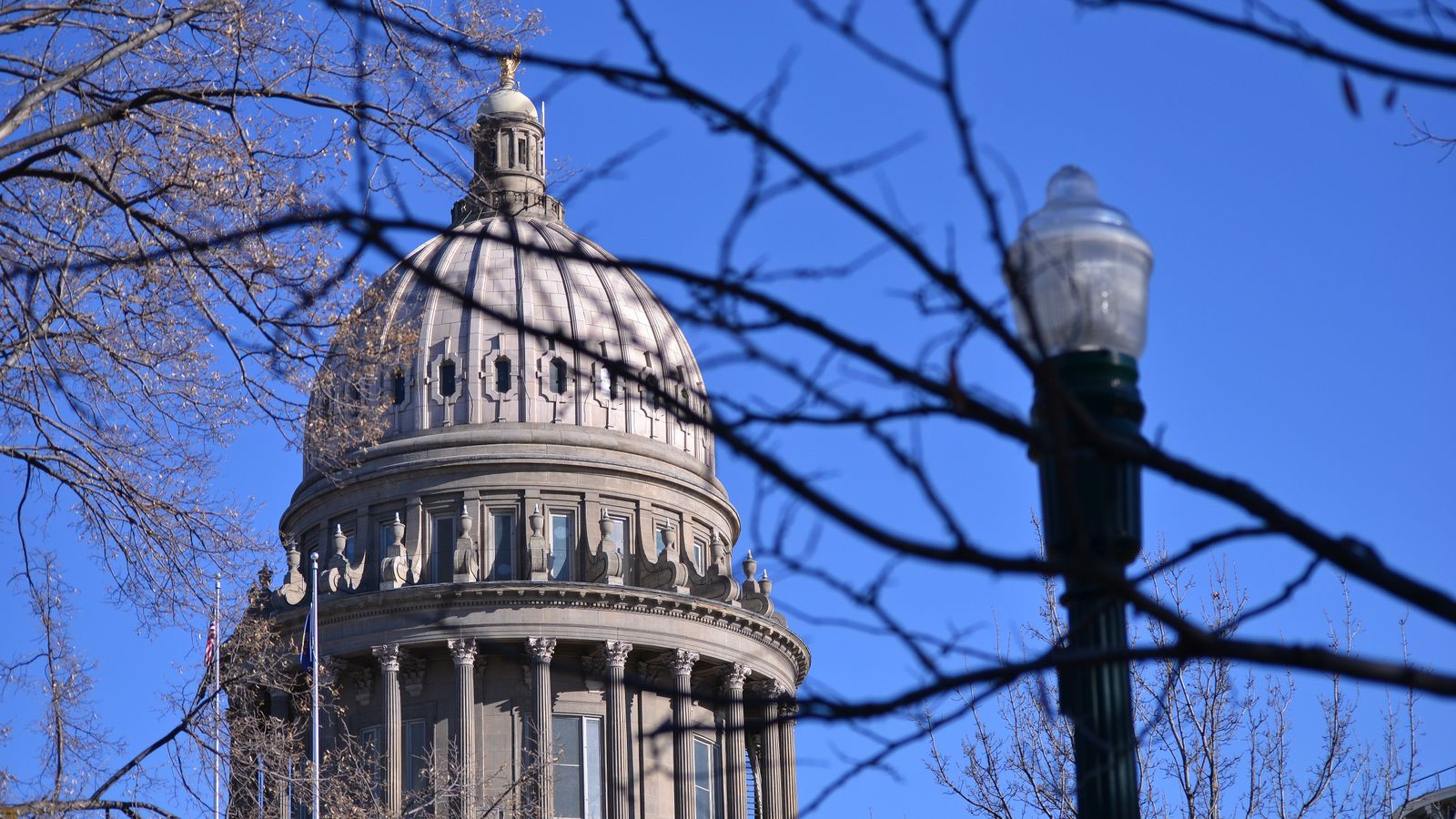
A stunning aerial shot of Atlanta, Georgia showcasing the Capitol Building and surrounding city skyline.
Prior Authorization Requirement Eliminated
The new law removes the prior authorization step that previously required patients to obtain insurer approval before receiving a medical cannabis recommendation. Patients faced delays of up to 30 days while insurers reviewed requests, according to Georgia Access to Medical Cannabis Commission records filed in March 2026.
The elimination applies to all registered physicians in the state's Low THC Oil Registry. Doctors can now issue recommendations directly to patients who meet qualifying condition criteria—no third-party paperwork required.
Qualifying Conditions Expanded to Include PTSD and Chronic Pain
The statute adds post-traumatic stress disorder and intractable pain to the list of qualifying conditions, bringing Georgia's total to 18 recognized diagnoses. That puts Georgia in line with 34 other medical cannabis states that recognize PTSD, according to a 2025 National Conference of State Legislatures survey.
Chronic pain qualifies when a physician documents that conventional therapies have failed or produced unacceptable side effects. The law doesn't define a minimum duration threshold for "intractable" pain. Clinical determination rests with registered practitioners.
Registration Fee Reduced for Low-Income Patients
Patient registration fees drop from $25 to $10 for individuals enrolled in Medicaid or the Supplemental Nutrition Assistance Program. The Georgia Access to Medical Cannabis Commission reported 14,287 active patient registrations as of June 30, 2026, with approximately 22% of enrollees qualifying for public assistance programs based on cross-referenced Department of Human Services data.
Fee reductions apply to renewals processed after July 14, 2026. Patients who paid the higher fee within 90 days of the effective date may request a partial refund through the commission's online portal.
Dispensary Licensing Timeline Unchanged
The legislation doesn't alter the state's existing cap of six licensed production facilities or accelerate the dispensary licensing timeline. Georgia currently operates two active dispensaries—Botanical Sciences in Marietta and Trulieve Georgia in Macon. Four additional production licenses have been awarded but aren't yet operational, according to commission meeting minutes from May 2026.
No new production licenses are planned. For full background on this story, see the CannIntel topic hub on Georgia Medical Cannabis Program.
Effective Date and Implementation
All provisions became effective upon Governor Kemp's signature on July 14, 2026, with no delayed implementation period. The Georgia Access to Medical Cannabis Commission issued updated physician guidance documents on July 15, 2026. Prior authorization forms submitted before the effective date remain valid for 90 days.
Physicians must complete a one-time attestation form confirming awareness of the expanded qualifying conditions before issuing recommendations under the new criteria. Full system integration will require 30 days, the commission estimates, as electronic health record vendors update clinical decision support tools.
The next legislative session begins in January 2027. Patient advocacy groups have signaled intent to pursue further expansions—whole-flower product access and reciprocity for out-of-state cardholders top the list.
For complete background, history, and our ongoing coverage of this story:
Open the CannIntel topic hub →Frequently asked questions
What medical conditions now qualify for cannabis in Georgia?
Georgia recognizes 18 qualifying conditions including cancer, Crohn's disease, mitochondrial disease, Parkinson's disease, sickle cell disease, and—as of July 14, 2026—post-traumatic stress disorder and intractable pain. Physicians must document that conventional therapies failed or caused unacceptable side effects for chronic pain cases.
Do patients still need prior authorization from insurers?
No. The new law eliminates the prior authorization requirement. Registered physicians may issue medical cannabis recommendations directly to qualifying patients without submitting documentation to insurers or third-party payers for approval.
How much does patient registration cost in Georgia?
Standard registration costs $25. Patients enrolled in Medicaid or SNAP pay a reduced fee of $10 under the new law. Those who paid $25 within 90 days of July 14, 2026 may request a partial refund through the commission portal.
How many dispensaries operate in Georgia?
Two dispensaries currently operate: Botanical Sciences in Marietta and Trulieve Georgia in Macon. Four additional production licenses have been awarded but facilities are not yet operational. The state maintains a six-license cap with no announced plans for expansion.
When do the new rules take effect?
All provisions became effective immediately upon Governor Kemp's signature on July 14, 2026. Physicians must complete a one-time attestation form before issuing recommendations under the expanded qualifying conditions. Full electronic system integration is expected within 30 days.
Sources
The cannabis newsletter you forward to your team.
Federal policy, market data, grower alerts, and the one story that matters today. Sent every weekday at 7am. Free.
No spam. Unsubscribe with one click. 21+ only.
Related from Laws

Utah Poll Shows Majority Support Medical Expansion, Recreational Cannabis
New survey reveals shifting public opinion on cannabis policy in one of the nation's most restrictive states.

Idaho medical cannabis initiative fails on signature irregularities
State officials disqualified the 2026 ballot measure after finding forged signatures and procedural errors.
Idaho medical cannabis ballot initiative falls short of signatures
State elections officials notified campaign organizers that the petition drive failed to collect enough valid signatures for November ballot access.
More from the newsroom

Betty's Eddies Launches Cannabis-Infused Multivitamin Gummies
The brand is blending THC with vitamins and minerals in a bid to compete with wellness supplements.

New York Launches Teen Cannabis Education Campaign Post-Legalization
State health officials roll out myth-busting initiative targeting adolescent misconceptions about legal cannabis

Glass House Launches Interstate Cannabis Shipments Between California, Oregon
California MSO becomes first licensed operator to ship flower across state lines under DEA Schedule III framework.