Idaho medical cannabis ballot initiative falls short of signatures
State elections officials notified campaign organizers that the petition drive failed to collect enough valid signatures for November ballot access.
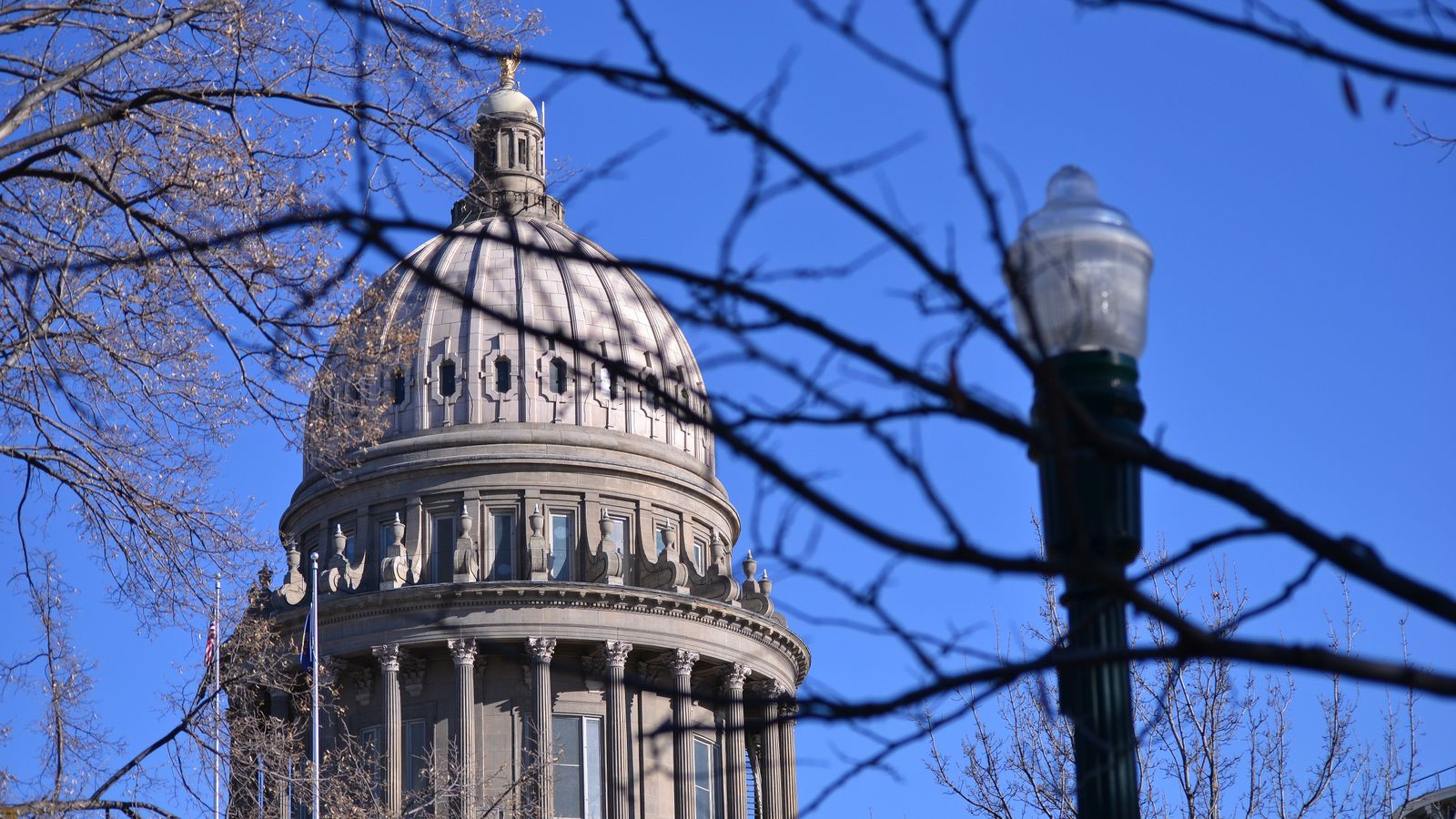
View of the Idaho State Capitol dome with blue skies and winter trees.
Signature shortfall blocks ballot access
The petition drive failed to meet Idaho's constitutional threshold for citizen-initiated statutes, which requires signatures equal to 6% of registered voters in 18 of Idaho's 35 legislative districts. Idaho elections officials didn't release the final signature count in their July 14 notification to campaign organizers. The state requires approximately 63,000 valid signatures statewide to qualify a statutory initiative for the ballot.
Medical cannabis advocates have now failed to qualify a ballot measure in Idaho for two consecutive election cycles. A similar effort in 2024 also fell short.
Idaho remains one of three prohibition states
Idaho is one of only three states with no legal cannabis program of any kind, alongside Nebraska and Kansas. All three maintain full prohibition of cannabis possession, cultivation, and distribution under state law. Idaho Code § 37-2732 classifies cannabis as a Schedule I controlled substance with no recognized medical use.
Neighboring states tell a different story. Montana, Oregon, Washington, Nevada, and Wyoming all permit medical cannabis, while Oregon, Washington, and Montana also allow adult-use sales.
Campaign faced resource constraints
Signature-gathering campaigns in Idaho face significant logistical challenges. The geographic distribution requirement forces organizers to collect signatures across 18 of 35 legislative districts, including rural counties with low population density. Professional signature-gathering firms typically charge $8 to $12 per valid signature in Idaho. A fully funded campaign costs upward of $750,000.
The Idaho Medical Marijuana Act campaign didn't disclose its budget or whether it employed paid circulators. Volunteer-only efforts rarely meet Idaho's threshold.
Proposed measure would have created limited program
The Idaho Medical Marijuana Act would have established a state-licensed dispensary system restricted to patients with qualifying conditions including cancer, PTSD, epilepsy, and chronic pain. The measure proposed a regulatory structure administered by the Idaho Department of Health and Welfare, with dispensary licenses capped at one per county.
Home cultivation would've remained prohibited. Patients would've been required to obtain a registry identification card and a physician recommendation. The proposal didn't include provisions for vertical integration or multi-state operator participation.
Legislative path remains blocked
Idaho's Republican-controlled legislature has repeatedly rejected medical cannabis bills. In the 2025 session, the House State Affairs Committee declined to hear testimony on House Bill 107, which would've created a narrow compassionate-use exemption for epilepsy patients. The 2026 session saw no similar bills introduced.
Republican legislative leadership has signaled opposition to any cannabis reform. Senate Majority Leader Chuck Winder told reporters in March 2026 that medical cannabis legislation wouldn't receive a committee hearing during his tenure.
Advocates weigh 2028 ballot strategy
Campaign organizers haven't said whether they'll attempt another ballot initiative in 2028. Idaho's initiative process allows organizers to refile identical measures in subsequent election cycles. A 2028 effort would face the same signature threshold and geographic distribution requirements.
National cannabis reform organizations, including the Marijuana Policy Project and NORML, haven't committed funding to future Idaho campaigns. Both groups prioritize states with higher probabilities of ballot qualification and passage.
What to watch in Idaho cannabis policy
The next opportunity for ballot access is the 2028 general election. Organizers would need to begin signature gathering in early 2027 to meet the state's filing deadline. We'll be watching whether national reform groups commit resources to a third Idaho attempt, and whether Republican legislative leadership shifts after the 2028 elections. For full background on this story, see the CannIntel topic hub on Idaho medical cannabis legalization.
Frequently asked questions
How many signatures does Idaho require for a ballot initiative?
Idaho requires signatures equal to 6% of registered voters in at least 18 of the state's 35 legislative districts. This translates to approximately 63,000 valid signatures statewide for a statutory initiative to qualify for the ballot.
Which states still have full cannabis prohibition?
Three states maintain full prohibition with no legal medical or adult-use cannabis programs: Idaho, Nebraska, and Kansas. All three classify cannabis as a Schedule I controlled substance under state law with criminal penalties for possession.
What would the Idaho Medical Marijuana Act have allowed?
The proposed measure would have created a state-licensed dispensary system for patients with qualifying conditions including cancer, PTSD, epilepsy, and chronic pain. Home cultivation would have remained illegal, and patients would have needed a physician recommendation and state registry card.
Can Idaho advocates try again in 2028?
Yes. Idaho's initiative process allows organizers to refile identical measures in subsequent election cycles. A 2028 effort would face the same signature threshold and would need to begin collecting signatures in early 2027 to meet filing deadlines.
Sources
The cannabis newsletter you forward to your team.
Federal policy, market data, grower alerts, and the one story that matters today. Sent every weekday at 7am. Free.
No spam. Unsubscribe with one click. 21+ only.
Related from Laws

Idaho medical cannabis initiative fails on signature irregularities
State officials disqualified the 2026 ballot measure after finding forged signatures and procedural errors.

Idaho medical cannabis petition falls short of signature threshold
Campaign to place medical marijuana legalization on November ballot fails to gather required signatures by July 2026 deadline.
Idaho Cannabis Initiative Fails After Missing Signature Threshold
Activists fell short of the required number of valid signatures to place medical cannabis on the November ballot.
More from the newsroom

New York Launches Teen Cannabis Education Campaign Post-Legalization
State health officials roll out myth-busting initiative targeting adolescent misconceptions about legal cannabis

Glass House Launches Interstate Cannabis Shipments Between California, Oregon
California MSO becomes first licensed operator to ship flower across state lines under DEA Schedule III framework.

King City Gardens Lands Exclusive Jeeter Deal for Ohio Adult-Use Launch
California brand's first Ohio distribution pact signals premium-tier competition ahead of adult-use rollout.