Idaho medical cannabis petition falls short of signature threshold
Campaign to place medical marijuana legalization on November ballot fails to gather required signatures by July 2026 deadline.

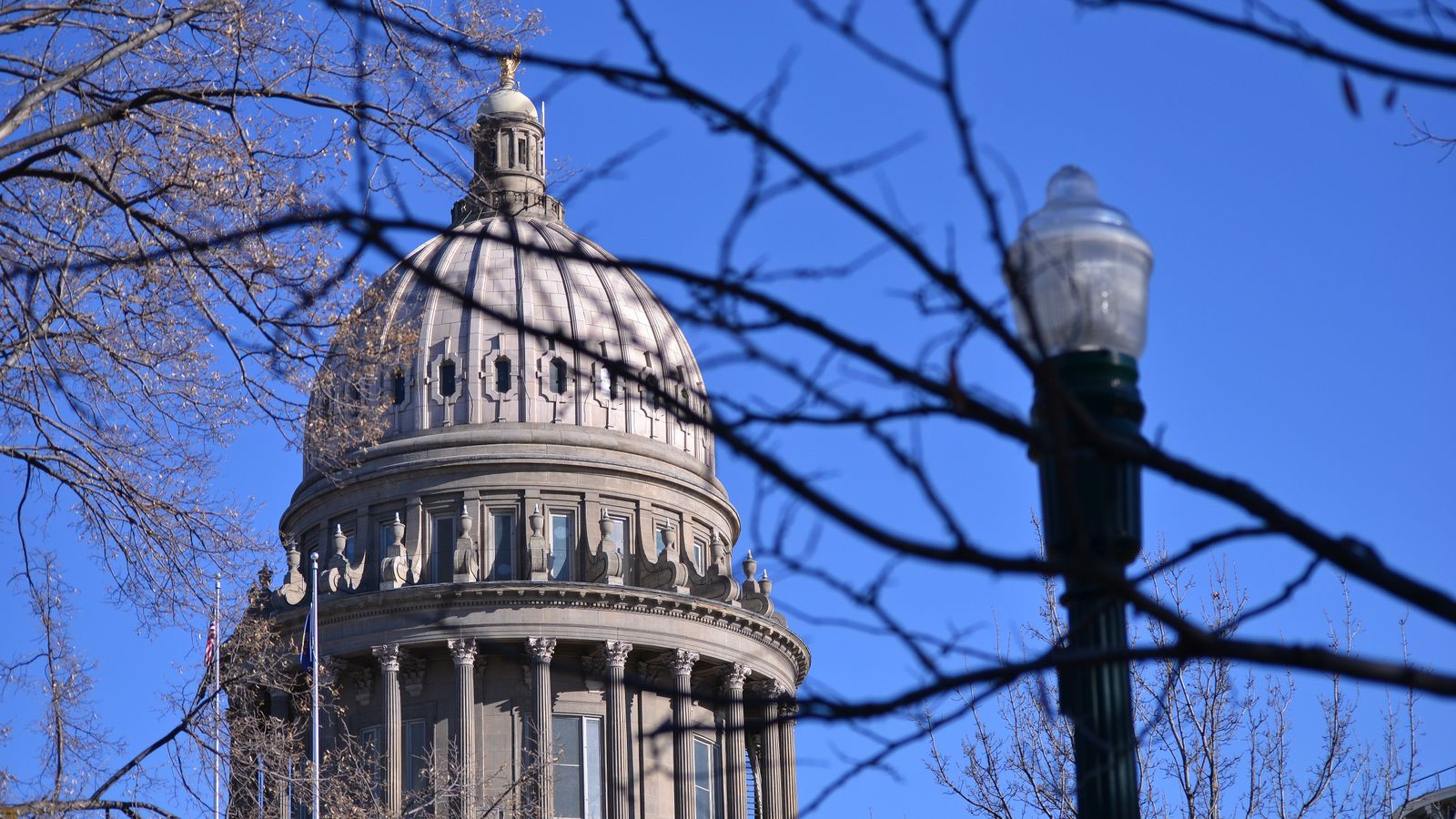
Front view of the historic Idaho State Capitol Building under blue skies in Boise.
Signature Drive Falls Short of Ballot Access Requirements
Idaho's medical cannabis ballot campaign didn't collect enough valid signatures to qualify for the November 2026 ballot. Campaign organizers acknowledged major shortfalls in their petition drive, which needed to gather signatures equal to 6% of registered voters in at least 18 of Idaho's 35 legislative districts. Idaho law requires both a statewide threshold and geographic distribution to prevent initiatives from passing on urban support alone.
This failure is operational, not ideological. Polling consistently shows majority support for medical cannabis among Idaho voters, but ballot access rules in Idaho rank among the strictest in the nation. Legal challenges delayed signature gathering by several months in early 2026. The campaign faced a compressed timeline.
Idaho Remains Sole Holdout in Continental U.S.
Idaho is now the only state in the lower 48 without a medical or adult-use cannabis program. Neighboring states Montana, Oregon, Washington, Nevada, Utah, and Wyoming all permit medical use at minimum. Idaho's Republican-controlled legislature has repeatedly blocked medical cannabis bills—most recently in the 2026 session when a compassionate-use proposal died in committee without a floor vote.
Advocates have turned to the ballot after legislative efforts stalled. The state's initiative process requires clearing multiple procedural hurdles, including pre-circulation review by the attorney general and strict county-level distribution requirements that make rural signature collection essential.
What the Shortfall Means for 2028 Prospects
The 2026 failure doesn't preclude another attempt in the 2028 election cycle. Organizers can refile a substantially similar initiative for the next ballot, though they'll face the same signature and distribution thresholds. Idaho permits initiatives only in even-numbered general election years, so the next window opens in January 2027 for the November 2028 ballot.
Funding and volunteer fatigue are the immediate obstacles. The 2026 campaign relied heavily on grassroots volunteers rather than paid signature gatherers—a model that proved insufficient given the geographic spread required. Professional petition firms charge $8-$12 per signature in Idaho. That puts a qualifying drive in the $1.5-2 million range for a campaign using paid circulators.
Legislative Path Remains Blocked
Idaho's statehouse shows no sign of softening its opposition to cannabis reform. Governor Brad Little and Republican supermajorities in both chambers have opposed medical legalization on federally illegal substance grounds. The state attorney general's office has argued that Idaho can't permit conduct that violates the Controlled Substances Act, a reading that conflicts with 38 other states' medical programs but remains the official position in Boise.
No medical cannabis bill has reached the floor for a full vote in Idaho since 2015. Last session saw a narrow compassionate-use proposal limited to epilepsy patients, but it died in the House State Affairs Committee on a party-line vote.
Polling and Public Support Dynamics
Polling data from Boise State University's 2025 Idaho Policy Survey showed 61% support for medical cannabis legalization. Support crosses party lines, with 52% of self-identified Republicans backing medical use alongside 73% of Democrats and 68% of independents. Yet that level of public support hasn't translated into legislative action, driving advocates to the initiative process as the only viable path.
This gap between polling and policy reflects Idaho's conservative legislative culture and the influence of law enforcement groups that have lobbied aggressively against cannabis reform. Both the Idaho Sheriffs' Association and Idaho Prosecuting Attorneys Council opposed the 2026 initiative.
What to Watch in 2027-2028
Advocates face a decision on whether to launch another signature drive or wait for federal rescheduling to shift the political terrain. DEA's pending review of cannabis scheduling could move the drug from Schedule I to Schedule III. That change might soften opposition in conservative states by reducing the federal-state conflict that Idaho officials cite as a barrier.
The next initiative window opens January 2027. For full background on Idaho's medical cannabis efforts, see the CannIntel topic hub on Idaho medical cannabis legalization. If organizers move forward, they'll need to solve the funding and rural-outreach problems that sank the 2026 drive. Without paid circulators or a statewide grassroots network, the same outcome is likely.
Frequently asked questions
Why did the Idaho medical cannabis petition fail?
The campaign didn't collect enough valid signatures to meet Idaho's ballot access requirements, which mandate signatures from 6% of registered voters distributed across at least 18 of 35 legislative districts. The effort relied on volunteers rather than paid circulators and faced a compressed timeline after legal delays.
Can Idaho voters try again in 2028?
Yes. Advocates can file a new initiative petition starting in January 2027 for the November 2028 ballot. Idaho permits initiatives only in general election years, so 2028 is the next available window. The same signature and distribution thresholds will apply.
Does Idaho's legislature support medical cannabis?
No. Idaho's Republican-controlled legislature and Governor Brad Little oppose medical cannabis legalization, citing federal prohibition under the Controlled Substances Act. No medical cannabis bill has reached a floor vote since 2015, and the 2026 session saw a limited compassionate-use proposal die in committee.
How much public support exists for medical cannabis in Idaho?
A 2025 Boise State University poll found 61% of Idaho voters support medical cannabis legalization, including 52% of Republicans. Despite majority support, the initiative process has proven difficult due to strict signature requirements and geographic distribution rules.
Sources
The cannabis newsletter you forward to your team.
Federal policy, market data, grower alerts, and the one story that matters today. Sent every weekday at 7am. Free.
No spam. Unsubscribe with one click. 21+ only.
Related from Laws
Idaho medical cannabis ballot initiative falls short of signatures
State elections officials notified campaign organizers that the petition drive failed to collect enough valid signatures for November ballot access.
Idaho Cannabis Initiative Fails After Missing Signature Threshold
Activists fell short of the required number of valid signatures to place medical cannabis on the November ballot.

South Carolina Veterans Group Pushes Medical Cannabis Debate Forward
Advocacy coalition cites PTSD treatment gap as state legislature remains stalled on medical marijuana access.
More from the newsroom

New York Launches Teen Cannabis Education Campaign Post-Legalization
State health officials roll out myth-busting initiative targeting adolescent misconceptions about legal cannabis

Glass House Launches Interstate Cannabis Shipments Between California, Oregon
California MSO becomes first licensed operator to ship flower across state lines under DEA Schedule III framework.

King City Gardens Lands Exclusive Jeeter Deal for Ohio Adult-Use Launch
California brand's first Ohio distribution pact signals premium-tier competition ahead of adult-use rollout.