Rhode Island Weighs Hemp Rules Ahead of Nov. 12 Federal THC Ban
Rhode Island is working through hemp policy as the federal redefinition of hemp, enacted in 2025, nears its November 2026 effective date.
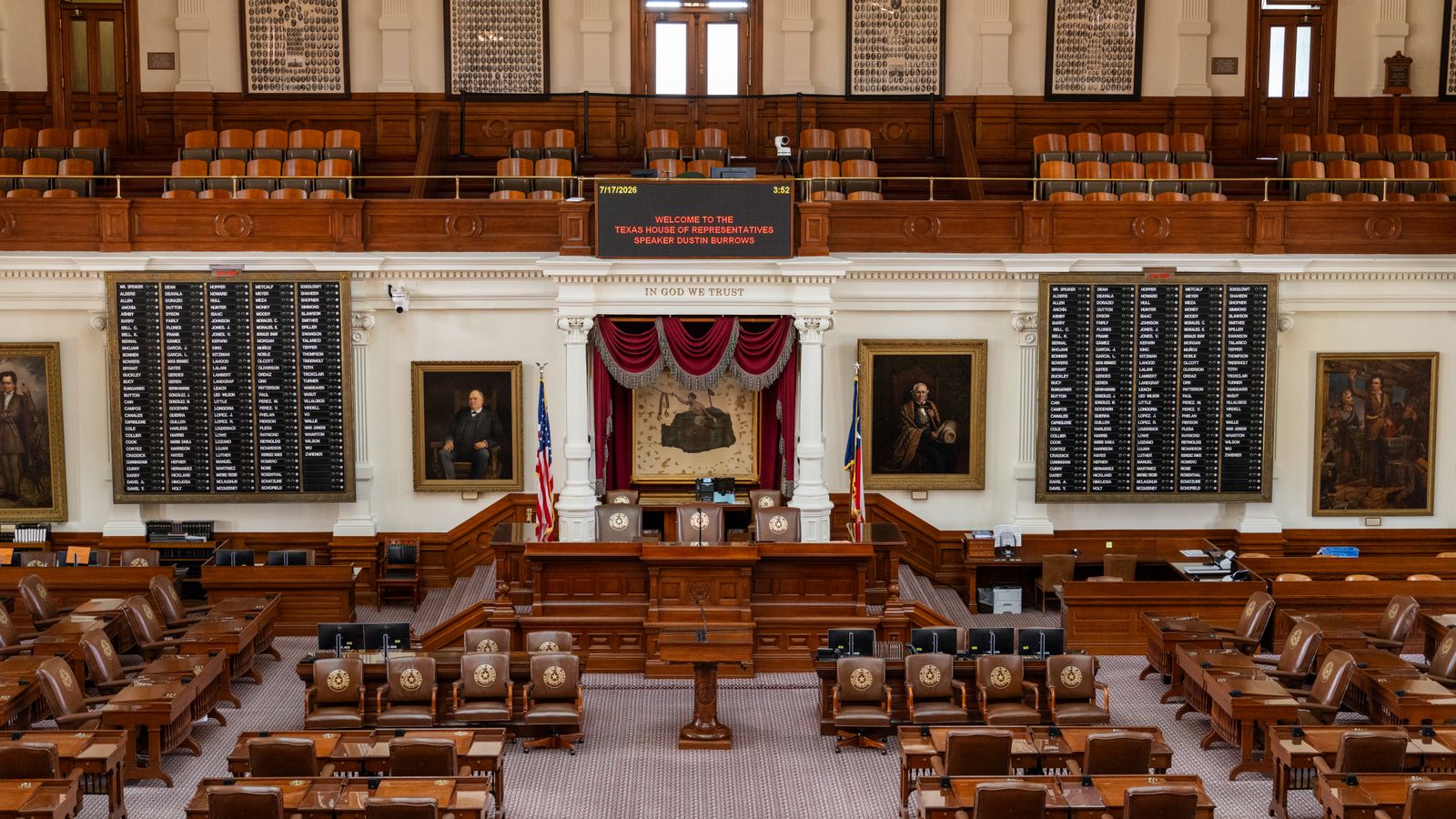
The Texas House of Representatives chamber, featuring legislative seats and historical portraits.
Rhode Island's hemp debate now runs on a federal clock
Rhode Island is working through its hemp policy about a month before the federal ban on intoxicating hemp products takes effect on Nov. 12, 2026, according to Marijuana Moment.
The timing is the story. A state that grapples with hemp in October 2026 isn't setting policy in a vacuum. It's setting policy against a deadline that Congress already wrote into law.
One caveat on sourcing: the Marijuana Moment report's specifics weren't available to CannIntel at publication. We aren't describing particular Rhode Island proposals or naming officials, because we can't verify them. What follows is the federal framework that any state response has to fit inside.
Short version: the window is closing.
What the federal rewrite does to hemp-derived THC
Congress redefined hemp in the spending package signed Nov. 12, 2025, and gave the industry one year before the new definition applies.
That change closes what the CannIntel topic hub calls the federal hemp loophole. The 2018 Farm Bill legalized hemp at no more than 0.3 percent delta-9 THC by dry weight. Manufacturers used that threshold to sell intoxicating products made from hemp-derived cannabinoids across all 50 states, including in states without legal adult-use markets. For full background on this story, see the CannIntel topic hub on the federal hemp loophole.
As enacted, the new definition does three things that matter to operators:
- It caps finished products at 0.4 milligrams of total THC per container, a threshold that effectively eliminates edibles, drinks and vapes sold as hemp products.
- It counts THCA toward total THC, which shuts the hemp-flower workaround.
- It excludes cannabinoids that are synthesized rather than naturally produced by the plant.
Intoxicating hemp, as a federal category, ends on Nov. 12, 2026. Big change.
Industrial hemp isn't the target. Fiber, grain and low-THC CBD products can survive the new cap in many cases. The intoxicating consumer market is what gets squeezed.
What it means for Rhode Island operators and regulators
The cleanest read on Rhode Island's position is that the state, not Washington, now decides where intoxicating THC products can legally be sold.
Rhode Island runs a licensed adult-use cannabis market under its Cannabis Control Commission. That market operates under state law, not the federal hemp definition. When the hemp channel closes, the state-licensed channel is the only lawful route left for most THC products sold in Rhode Island.
That creates a fork. A state can fold hemp-style products into its licensed system, leave them unregulated and let federal enforcement fill the gap, or restrict them further. Each path has winners and losers.
Licensed dispensaries and cultivators gain if consumers who bought THC drinks and gummies at gas stations and smoke shops have to move to the regulated market. Hemp processors, distributors and convenience-store owners lose product lines they've built since 2018. The math is brutal for anyone whose revenue depends on total THC above 0.4 mg per container.
Neighboring states face the same cliff. Rhode Island's choice won't be made in isolation. Massachusetts and Connecticut have their own licensed markets and their own hemp rules, and cross-border shopping habits will shift once the federal change lands.
Four questions operators should be asking now:
- Which SKUs exceed the 0.4 mg per container cap, and how much inventory is sitting on shelves?
- Does the business hold, or can it realistically obtain, a state cannabis license?
- What will the state do about enforcement and sell-through of existing stock?
- Do supply contracts include force majeure language for a federal definition change?
Waiting on the statehouse to answer those isn't a plan. The federal date is fixed whether or not Rhode Island acts.
The next signal: whether Rhode Island or Congress moves before Nov. 12, 2026. If neither does, the federal definition applies on schedule, and the state's licensed market becomes the default destination for intoxicating THC demand.
For complete background, history, and our ongoing coverage of this story:
Open the CannIntel topic hub →Frequently asked questions
When does the federal hemp THC ban take effect?
The redefinition of hemp enacted in the spending package signed Nov. 12, 2025 applies one year later, on Nov. 12, 2026. After that date, most intoxicating hemp-derived products no longer qualify as federally legal hemp.
What is the federal THC limit for hemp products under the new law?
As enacted, the definition caps finished products at 0.4 milligrams of total THC per container, counts THCA toward total THC, and excludes synthesized cannabinoids. Most edibles, drinks and vapes sold as hemp products exceed that cap.
Does the federal hemp change affect Rhode Island's licensed cannabis market?
No, not directly. Rhode Island's adult-use market operates under state law and is overseen by the Cannabis Control Commission. The federal change affects products sold as hemp, which is why state policy on those products matters.
Will CBD products be banned too?
Not necessarily. Low-THC CBD products that stay under the 0.4 mg per container cap can still qualify as hemp. Products with higher THC content, or made with synthesized cannabinoids, are the ones at risk.
Sources
The cannabis newsletter you forward to your team.
Federal policy, market data, grower alerts, and the one story that matters today. Sent every weekday at 7am. Free.
No spam. Unsubscribe with one click. 21+ only.
Related from Laws

NZ Herald: Charge Rate for Personal Cannabis Use Triples
New Zealand's charge rate for personal cannabis use has tripled, NZ Herald reported, raising hard questions about police discretion and drug policy.
National Consumers League Urges Congress: No Hemp Delay Without Rules
The consumer advocacy group opposes a bare extension of the federal hemp deadline, setting up a fight over regulation weeks before the ban takes effect.
Federal Court Grants Emergency Relief to Jersey City Dispensary
The Cannabis Place 420 Corp. won emergency federal relief against closure, but the order's scope, court and duration remain unconfirmed.
More from the newsroom

Report Says CBD Study Cut Alzheimer's Damage; Details Unverified
The Marijuana Herald reported a study linking CBD to better memory and less Alzheimer's-related brain damage, but the underlying research hasn't been identified.

Safe Harbor Marijuana Banking Deposits Hit $119.3M, Up 7.4%
Deposits tied to Safe Harbor's cannabis banking business rose 7.4% year over year, a steady gain that leaves the larger access question open.

New Study Links Cannabis to Sudden Panic, StudyFinds Reports
StudyFinds reported Oct. 11 that new research shows cannabis can trigger sudden panic in a calm brain. The underlying paper is not yet verified.