National Consumers League Urges Congress: No Hemp Delay Without Rules
The consumer advocacy group opposes a bare extension of the federal hemp deadline, setting up a fight over regulation weeks before the ban takes effect.
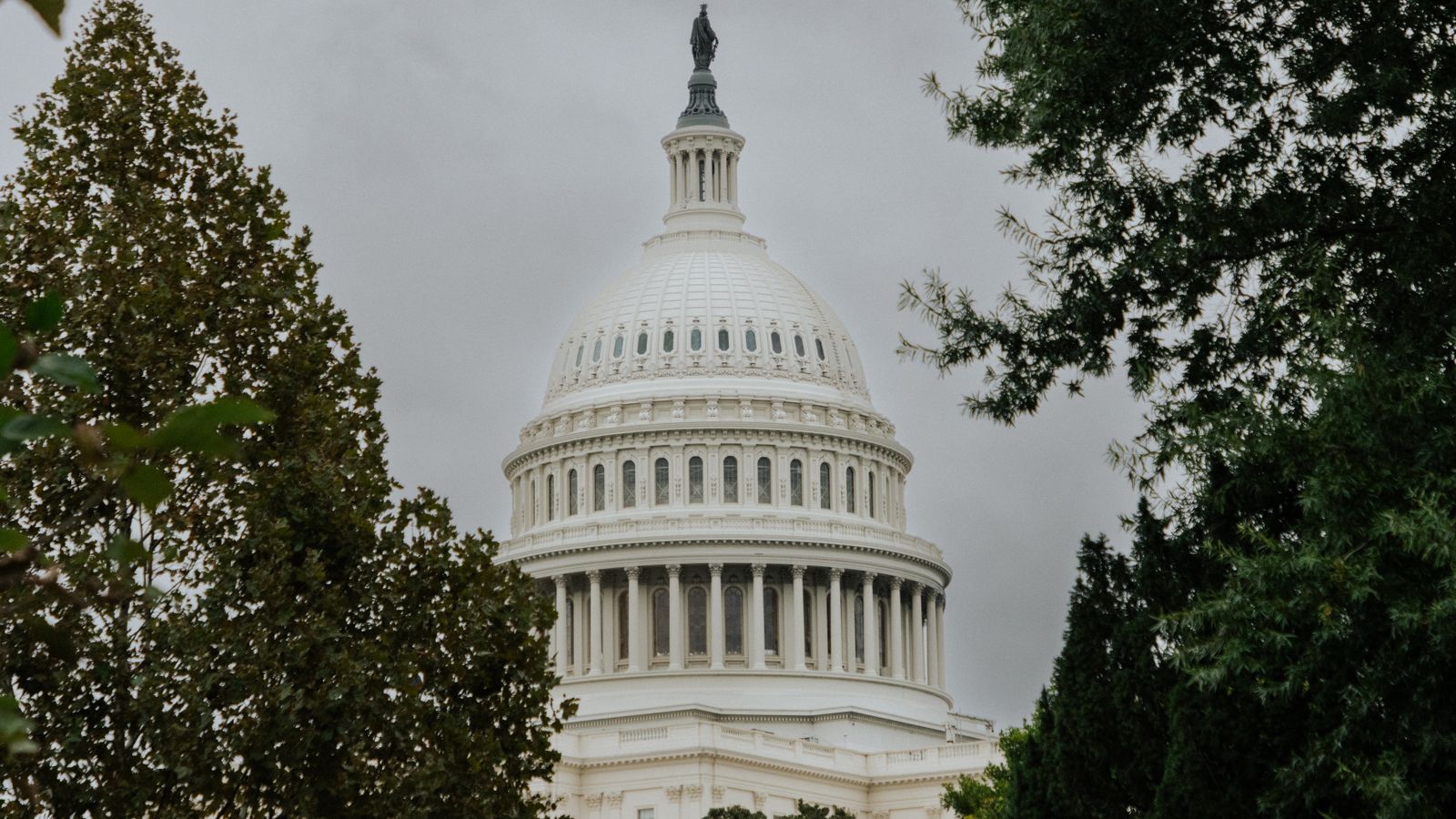
View of the US Capitol dome surrounded by foliage under a cloudy sky.
NCL Draws a Line: No Delay Without Rules
The National Consumers League's position is that a deadline extension alone would leave intoxicating hemp products in the same unregulated space that created the problem.
According to The Marijuana Herald, the consumer advocacy group wants Congress to hold off on extending the hemp deadline unless the extension comes with new regulations. That's the whole ask. A delay with no framework is a no.
The full text of the group's submission wasn't available at publication, so the specific rules it favors aren't confirmed here. We'll update when we've reviewed it.
Still, the framing matters. NCL is a consumer-protection organization, not a cannabis trade group. It's treating the fight as a product-safety question, not a legalization one, and that gives lawmakers who'd never vote for a marijuana bill a reason to listen.
Why the Deadline Is the Pressure Point
The cutoff traces to the federal spending law signed in November 2025, which rewrote the federal definition of hemp and gave the market one year to adjust.
That puts the effective date in mid-November 2026, about a month out. The 2018 Farm Bill legalized hemp at no more than 0.3% delta-9 THC by dry weight. That definition let manufacturers sell intoxicating products, including delta-8 THC edibles and vapes, in gas stations and smoke shops with no federal potency, testing, or age-gating standard. The 2025 law was Congress's attempt to close that gap.
Closing it created a second problem. Hemp businesses want more time. Some want a permanent regulatory pathway instead of a ban. Others, including NCL on this reading, say time without rules just pushes the hazard down the calendar.
The cleanest read on this fight is that it's no longer about the ban. It's about what replaces it. Lawmakers have three realistic paths:
- Let the deadline hit. Intoxicating hemp products leave the federal market on schedule, and the legal fight moves to enforcement.
- Extend with no new rules. The status quo continues. This is the outcome NCL says it opposes.
- Extend with a regulatory framework. Delay comes paired with testing, labeling, age limits, and a named federal enforcer. This is the outcome NCL appears to want.
For full background, see the CannIntel topic hub on the federal hemp loophole.
What Operators, Regulators and Consumers Should Watch
A consumer group demanding rules gives Congress cover to attach a framework to any extension, and that changes the math for both hemp sellers and licensed cannabis operators.
Hemp-derived THC sellers have long argued they'd accept regulation. Now a consumer advocate is asking for the same thing, which removes one of their better talking points. Opposing rules while asking for time is a harder position to hold.
Licensed marijuana operators in states like Ohio and Michigan have a different stake. They pay state licensing fees, run compliance programs, and carry the 280E tax burden, while hemp competitors selling similar intoxicating products have mostly avoided all three. That asymmetry is hard to defend, and any federal framework would narrow it.
States complicate the picture. Places such as California and Texas have written their own hemp rules, so a federal framework would have to coexist with them. Who writes and enforces the national standard, the FDA or the USDA? That's the open question. Neither agency has been handed that job in anything NCL is reported to have said.
Here's what to track in the coming weeks:
- Whether extension language appears in the next must-pass spending vehicle.
- Whether any extension text names a federal regulator and sets potency or testing standards.
- Whether hemp trade groups endorse a regulation-for-time trade or reject it.
- Whether state regulators issue guidance on how they'll treat products after the cutoff.
Inventory is the immediate operational risk. Retailers, distributors, and manufacturers holding intoxicating hemp stock don't know if they're planning for a ban, a delay, or a rulebook. Wholesale buyers will start discounting that uncertainty before Congress resolves it. Uncertainty has a price. Compliance counsel will be busy.
The next signal: whether extension language, with or without rules, shows up in a must-pass bill before the mid-November cutoff.
For complete background, history, and our ongoing coverage of this story:
Open the CannIntel topic hub →Sources
The cannabis newsletter you forward to your team.
Federal policy, market data, grower alerts, and the one story that matters today. Sent every weekday at 7am. Free.
No spam. Unsubscribe with one click. 21+ only.
Related from Laws

NZ Herald: Charge Rate for Personal Cannabis Use Triples
New Zealand's charge rate for personal cannabis use has tripled, NZ Herald reported, raising hard questions about police discretion and drug policy.
Federal Court Grants Emergency Relief to Jersey City Dispensary
The Cannabis Place 420 Corp. won emergency federal relief against closure, but the order's scope, court and duration remain unconfirmed.

DOJ Seeks Scheduling Dates in Marijuana Petitions for Review
The Justice Department asked for dates in marijuana petitions for review, a procedural move whose underlying filing CannIntel has not yet verified.
More from the newsroom

Report Says CBD Study Cut Alzheimer's Damage; Details Unverified
The Marijuana Herald reported a study linking CBD to better memory and less Alzheimer's-related brain damage, but the underlying research hasn't been identified.

Safe Harbor Marijuana Banking Deposits Hit $119.3M, Up 7.4%
Deposits tied to Safe Harbor's cannabis banking business rose 7.4% year over year, a steady gain that leaves the larger access question open.

New Study Links Cannabis to Sudden Panic, StudyFinds Reports
StudyFinds reported Oct. 11 that new research shows cannabis can trigger sudden panic in a calm brain. The underlying paper is not yet verified.