Parents Challenge Proposed Dispensary Near Elementary School
Community opposition mounts as cannabis retailer seeks zoning approval within 500 feet of campus.

Group of children in uniforms playing on a playground slide, enjoying outdoor fun.
Zoning Application Triggers Community Pushback
A cannabis retailer's application to operate near an elementary school has sparked organized parent opposition, with residents citing child-safety concerns at a pending zoning hearing. Public filings reviewed June 21 didn't disclose the exact distance between the proposed site and the school property line. Most state cannabis laws impose buffer zones ranging from 500 to 1,000 feet between dispensaries and schools, measured variously from property lines, building entrances, or school grounds.
The jurisdiction and the applicant's name weren't identified in the initial report. Public-comment periods for dispensary zoning typically run 15 to 30 days under municipal land-use codes. Planning commissions or zoning boards hold final approval authority.
State Buffer-Distance Standards and Waiver Mechanisms
Cannabis zoning statutes in most states set minimum separation distances between dispensaries and schools, but many jurisdictions allow waivers or variances if operators meet enhanced security or community-benefit criteria. California's Bureau of Cannabis Control, for example, prohibits dispensaries within 600 feet of schools unless a local ordinance permits a shorter buffer. Ohio's Division of Cannabis Control enforces a 500-foot rule. No waiver provision. New York's Office of Cannabis Management allows municipalities to reduce state-mandated buffers through local opt-in laws.
Waiver processes generally require applicants to demonstrate compliance with heightened security protocols—opaque windows, restricted access zones, and real-time surveillance feeds shared with local law enforcement. Some jurisdictions also mandate community-benefit agreements, including youth-education funding or traffic-mitigation plans, as conditions for variance approval.
Procedural Timeline for Zoning Board Review
Zoning boards typically schedule public hearings within 30 to 60 days of receiving a complete dispensary application, with final decisions due within 90 days under most state administrative-procedure acts. Applicants must submit site plans, traffic studies, and security protocols. Neighbors within a defined radius (often 300 to 500 feet) receive mailed notice of the hearing date. Public testimony is recorded and becomes part of the administrative record subject to judicial review if the board's decision is appealed.
If the board denies the application, the operator may appeal to a zoning board of appeals or directly to state court under the jurisdiction's land-use statute. Neighboring property owners or municipal officials can also appeal approval decisions, though courts generally defer to board findings unless the record shows procedural error or arbitrary decision-making.
Parent Groups and Organized Opposition Tactics
Parent-led opposition to dispensary zoning applications often includes petition drives, attendance at public hearings, and coordination with municipal officials to propose stricter buffer ordinances. In prior cases, parent coalitions have successfully lobbied for emergency zoning moratoriums while local governments draft new cannabis land-use regulations. When enacted, these moratoriums freeze new dispensary applications for six to twelve months and allow municipalities to impose stricter setback requirements retroactively on pending applications in some states.
Opposition groups also frequently invoke the federal Drug-Free School Zones Act, a criminal statute that enhances penalties for drug distribution within 1,000 feet of schools. That statute doesn't apply to state-licensed cannabis activity. Still, advocacy groups cite it to frame dispensary proximity as a federal-law conflict.
Economic and Operational Stakes for Applicants
Dispensary operators face significant sunk costs during the zoning-approval process, including lease deposits, architectural fees, and legal expenses that can exceed $100,000 before a certificate of occupancy is issued. Delays or denials often trigger lease-termination clauses, forfeiting deposits and forcing operators to restart site selection in compliant zones. In competitive licensing states, zoning denials can also jeopardize state retail licenses if operators fail to secure a compliant location within statutory deadlines (typically 12 to 18 months from license issuance).
Operators who win zoning approval near schools often face ongoing compliance burdens: quarterly reporting to municipal authorities, annual security audits, and restrictions on exterior signage and advertising visible from school property. Violations can result in license suspension or revocation at both municipal and state levels.
Next Steps and Monitoring Points
The zoning board's decision will hinge on whether the proposed site complies with the jurisdiction's buffer-distance ordinance and whether the applicant qualifies for any available waiver or variance. For full background on dispensary zoning conflicts near schools, see the CannIntel topic hub on dispensary zoning near schools. Operators and parent groups alike will be watching for the hearing date, the board's vote tally, and any conditions attached to approval. Expect an appeal filing within 30 days under standard administrative-law timelines if the application is denied.
Frequently asked questions
What is the typical buffer distance between cannabis dispensaries and schools?
Most states require 500 to 1,000 feet between dispensaries and schools, measured from property lines or building entrances. California mandates 600 feet unless local ordinances allow shorter buffers. Ohio enforces 500 feet with no waiver option. New York permits municipalities to reduce state buffers through local laws.
Can zoning boards approve dispensaries closer to schools than state law allows?
Yes, in jurisdictions that permit waivers or variances. Applicants must typically demonstrate enhanced security measures, such as opaque windows and real-time surveillance, plus community-benefit agreements like youth-education funding. Waiver approval is discretionary and subject to public-hearing input and board vote.
How long does the dispensary zoning-approval process take?
Zoning boards generally schedule public hearings within 30 to 60 days of receiving a complete application and issue final decisions within 90 days. Delays occur if applicants must revise site plans or if neighbors file appeals. Denials are appealable to state court within 30 days under most administrative-procedure acts.
What costs do dispensary operators incur during zoning review?
Operators spend over $100,000 on lease deposits, architectural fees, traffic studies, and legal counsel before zoning approval. Denials often trigger lease forfeitures and force operators to restart site selection. In licensing states, failure to secure a compliant site within 12 to 18 months can jeopardize state retail licenses.
Can parent groups block dispensary applications near schools?
Parent coalitions can influence zoning outcomes through petition drives, public testimony, and lobbying for emergency moratoriums. Moratoriums freeze new applications for six to twelve months while municipalities draft stricter buffer ordinances. Final authority rests with the zoning board, subject to judicial review if decisions are appealed.
Sources
The cannabis newsletter you forward to your team.
Federal policy, market data, grower alerts, and the one story that matters today. Sent every weekday at 7am. Free.
No spam. Unsubscribe with one click. 21+ only.
Related from Laws

DEA Rescheduling Hearing Excludes Patient Groups, Small Operators
Administrative law judge granted testimony slots to federal agencies and large MSOs but denied requests from patient advocates and craft cultivators.

Six States Advance Hemp Restrictions in Coordinated June Push
Delaware, Illinois, Nebraska, Nevada, Pennsylvania, and Virginia move to regulate intoxicating hemp products as multi-state crackdown accelerates.
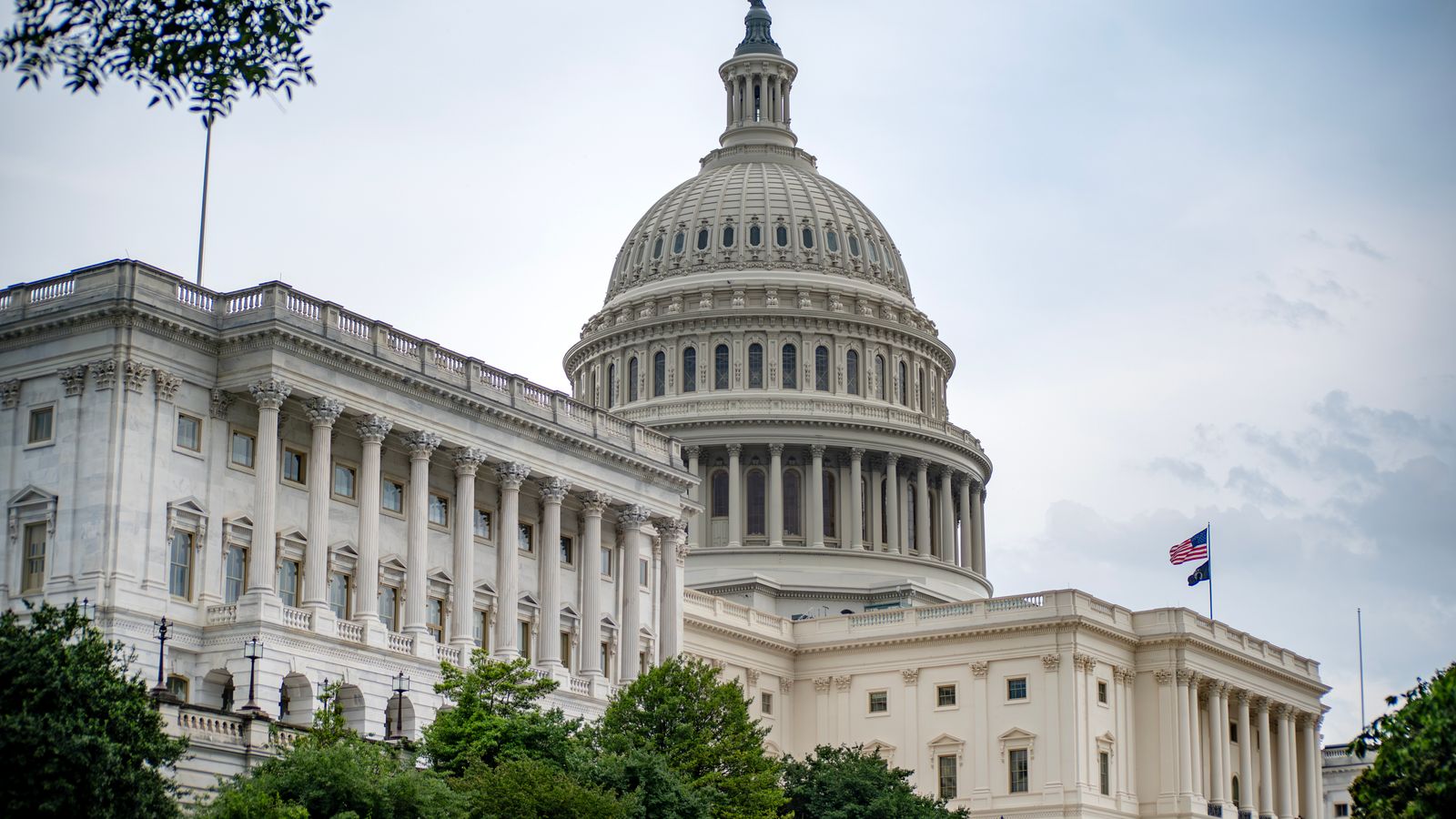
DEA Schedule III Shift and Federal Research Rules Set to Reshape Cannabis Compliance
Two pending federal actions—DEA rescheduling and NIH research guidance—will alter tax treatment, interstate commerce, and clinical trial protocols starting fall 2026.
More from the newsroom

Texas Polling Shows Majority Support for Marijuana Reform as Legislature Stalls
New survey data reveals broad public backing for cannabis policy changes while state lawmakers decline to advance reform bills.

Lobbying Data Shows Who's Shaping Trump's Marijuana Rescheduling Push
Multi-state operators and pharma firms spent $4.2M on federal cannabis lobbying in Q2 2026 as DEA rescheduling nears final rule.

Tennessee THCA Ban Marks Latest State Marijuana Regulation Since 2016
Tennessee's new THCA prohibition continues a decade-long pattern of reactive cannabis policy in a state that has resisted both medical and adult-use legalization.