Texas Polling Shows Majority Support for Marijuana Reform as Legislature Stalls
New survey data reveals broad public backing for cannabis policy changes while state lawmakers decline to advance reform bills.

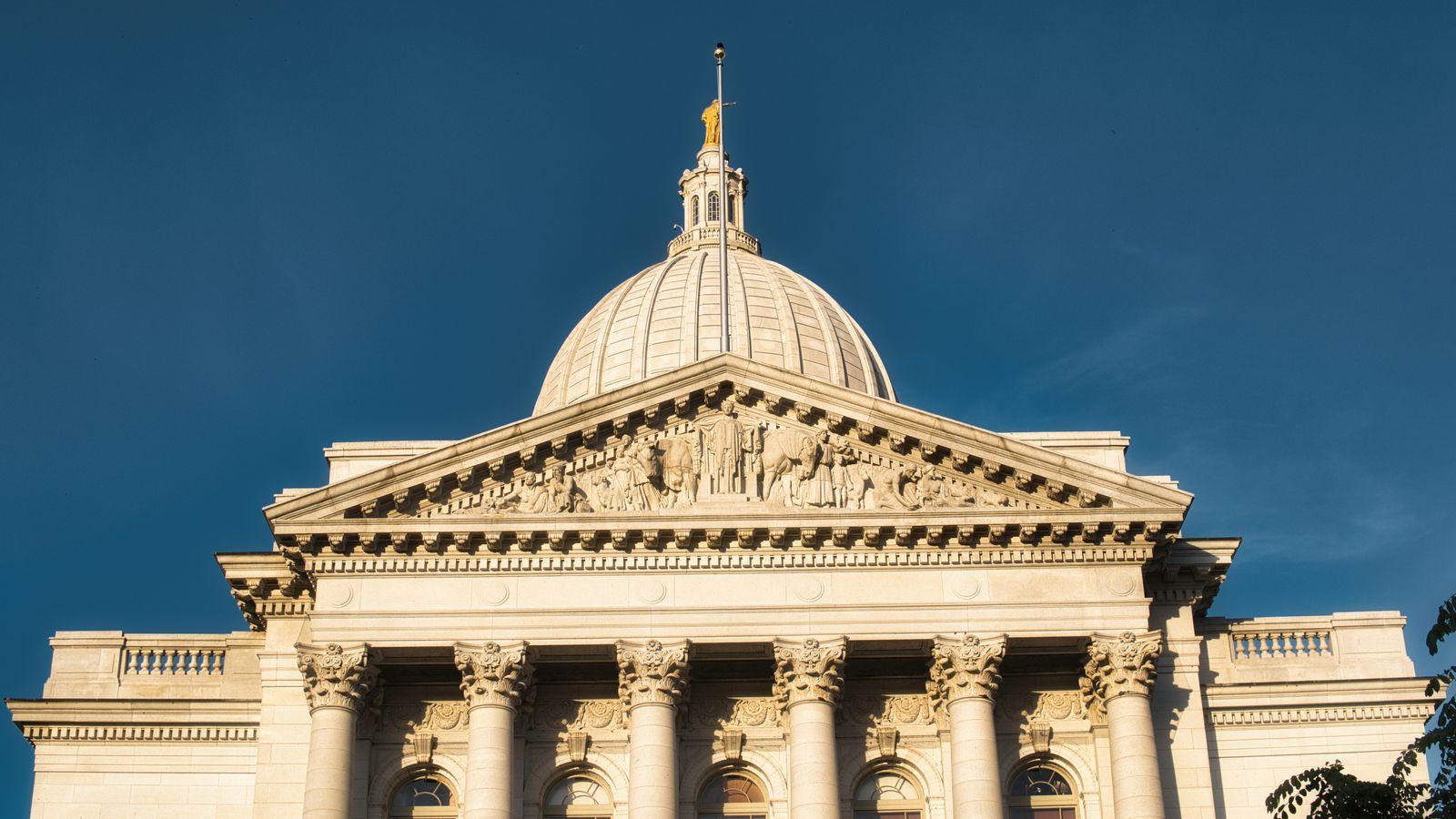
Statues with torch and document in front of Texas Capitol dome under clear blue sky in Austin.
Polling Data Shows Clear Majority for Reform
Survey results indicate that more than half of Texas voters favor some form of marijuana policy liberalization, marking a significant shift in public sentiment. The polling, conducted in early June 2026, found support for decriminalization of small amounts of cannabis and establishment of a regulated medical marijuana program. Texas currently maintains some of the nation's most restrictive cannabis laws. Possession of any amount remains a criminal offense under Texas Health and Safety Code § 481.121.
The survey data reflects a broader regional trend. Neighboring states including Oklahoma, Louisiana, and New Mexico have all enacted medical cannabis programs in recent years, leaving Texas as an outlier among Southern states. Oklahoma voters approved medical marijuana via State Question 788 in 2018, creating one of the nation's most permissive medical programs with over 2,800 licensed dispensaries as of 2026.
Texas operates a limited Compassionate Use Program established under House Bill 3703 in 2015, which permits low-THC cannabis products containing no more than 1 percent THC by weight for a narrow list of qualifying conditions. The program serves fewer than 80,000 registered patients as of May 2026, according to the Texas Department of Public Safety.
Legislative Session Ends Without Reform Advancement
The 90th Texas Legislature concluded its regular session in May 2026 without advancing any marijuana reform bills to a floor vote in either chamber. House Bill 447, which would have decriminalized possession of up to one ounce and reduced penalties to a civil fine, died in the House Criminal Jurisprudence Committee. Senate Bill 140, proposing expansion of the Compassionate Use Program to include additional qualifying conditions, stalled in the Senate Health and Human Services Committee.
Committee chairs declined to schedule hearings on the measures. This happened despite testimony from over 200 registered supporters during the public comment period. Lt. Governor Dan Patrick, who controls committee assignments and floor scheduling in the Senate, has repeatedly stated opposition to marijuana legalization. Governor Greg Abbott has signaled he'd veto any legalization bill that reached his desk, though he hasn't taken a public position on medical program expansion.
The procedural outcome mirrors previous legislative sessions. Similar decriminalization bills have been filed in every regular session since 2019 but haven't advanced past committee stage. House Bill 2593 in 2023 garnered 63 co-sponsors but was not granted a committee hearing.
Economic and Enforcement Implications
Texas law enforcement agencies made approximately 45,000 marijuana possession arrests in 2025, consuming an estimated $300 million in criminal justice system resources. Those figures come from Texas Department of Public Safety uniform crime reporting data and a 2025 cost analysis by the Texas Criminal Justice Coalition. Possession charges under two ounces constitute a Class B misdemeanor carrying up to 180 days in jail and a $2,000 fine under current statute.
The arrest rate has declined modestly since 2019, when Texas recorded over 60,000 marijuana possession arrests. The reduction follows enactment of House Bill 1325 in 2019, which legalized hemp containing less than 0.3 percent THC and created evidentiary challenges for prosecutors in low-level possession cases. Many district attorneys in Harris, Travis, Bexar, and Dallas counties have since adopted de facto declination policies for small-amount possession cases due to testing costs.
A regulated adult-use market could generate substantial tax revenue for the state. Colorado collected $423 million in marijuana tax revenue in 2025, according to the Colorado Department of Revenue. Scaled to Texas's population, a comparable program could yield over $1 billion annually. Texas faces a projected $12 billion budget shortfall for the 2027-2029 biennium, according to the Legislative Budget Board's January 2026 fiscal outlook.
Regional Context and Interstate Pressure
Texas now stands as the largest state by GDP without a comprehensive medical marijuana program, creating cross-border enforcement and public health complications. The state shares a 1,254-mile border with New Mexico, which launched adult-use sales in April 2022 under the Cannabis Regulation Act. New Mexico dispensaries in Clovis, Hobbs, and Texline report that Texas residents constitute 40 to 60 percent of their customer base, according to data from the New Mexico Regulation and Licensing Department.
Oklahoma's medical program doesn't require residency for patient registration. It has issued over 15,000 temporary out-of-state patient licenses to Texas residents since 2022. Those patients face felony charges if found in possession of cannabis products upon return to Texas, even with valid Oklahoma medical documentation. Texas law doesn't recognize out-of-state medical cannabis authorizations.
For full background on legislative efforts and prior session outcomes, see the CannIntel topic hub on Texas marijuana reform.
What Comes Next for Texas Cannabis Policy
The next opportunity for legislative action will come in the 91st regular session beginning in January 2027, with primary elections for all 150 House seats and half the Senate scheduled for March 2026. Several advocacy organizations, including Texas NORML and the Marijuana Policy Project, have announced plans to make cannabis reform a ballot-issue priority in targeted legislative races. Texas doesn't permit citizen-initiated ballot measures, so all policy changes must proceed through the legislature.
Interim legislative hearings on cannabis policy are scheduled for August 2026 before the House Committee on Public Health. The committee will review Compassionate Use Program enrollment data, cross-border enforcement challenges, and fiscal impact projections. No interim legislation can be enacted outside a regular or special session.
The political calculus may shift if federal rescheduling of marijuana proceeds. The Drug Enforcement Administration published a notice of proposed rulemaking in May 2024 to move cannabis from Schedule I to Schedule III under the Controlled Substances Act, 21 U.S.C. § 812. That process remains pending as of June 2026. Rescheduling wouldn't directly alter Texas state law but could reduce political resistance among conservative legislators who cite federal classification as justification for maintaining prohibition.
Frequently asked questions
What is the current legal status of marijuana in Texas?
Possession of any amount of marijuana remains a criminal offense in Texas under Health and Safety Code § 481.121. The state operates a limited Compassionate Use Program for low-THC medical cannabis (maximum 1% THC) serving approximately 80,000 registered patients. Decriminalization and adult-use legalization have not been enacted.
Why hasn't the Texas legislature passed marijuana reform despite majority public support?
Committee chairs have declined to schedule hearings on reform bills, and legislative leadership including Lt. Governor Dan Patrick and Governor Greg Abbott have stated opposition to legalization. Texas does not allow citizen-initiated ballot measures, so all policy changes must pass through the legislature, where leadership controls the agenda.
Can Texas residents use medical marijuana from other states?
No. Texas law does not recognize out-of-state medical cannabis authorizations. Texas residents who obtain cannabis legally in Oklahoma or New Mexico face felony possession charges if found with those products in Texas, even with valid medical documentation from another state.
When is the next chance for marijuana reform legislation in Texas?
The 91st Texas Legislature convenes in January 2027. Interim committee hearings are scheduled for August 2026 but cannot enact legislation. Primary elections for all 150 House seats occur in March 2026, which advocacy groups plan to target with cannabis reform messaging.
How much could Texas generate from a legal marijuana market?
Based on Colorado's 2025 tax revenue of $423 million and scaled to Texas's population, a comparable adult-use program could yield over $1 billion annually. Texas faces a projected $12 billion budget shortfall for the 2027-2029 biennium.
Sources
The cannabis newsletter you forward to your team.
Federal policy, market data, grower alerts, and the one story that matters today. Sent every weekday at 7am. Free.
No spam. Unsubscribe with one click. 21+ only.
Related from Laws
Virginia's $250 Public Marijuana Fine Draws Advocate Pushback
Reform groups challenge civil penalty structure as disproportionate to decriminalization intent under Va. Code § 4.1-600.

Marijuana Moment Petitions DEA Judge to Livestream Rescheduling Hearing
The news outlet filed a motion seeking public broadcast access to the administrative hearing on cannabis's Schedule III placement.

DEA Rescheduling Stalls as Cannabis Lawyers Face Regulatory Limbo
Federal rescheduling remains frozen in administrative review, leaving cannabis attorneys without clear compliance roadmaps.
More from the newsroom

Nebraska cultivator cleared to plant first legal medical marijuana crop
State regulators issued the first cultivation license, marking the operational launch of Nebraska's voter-approved medical cannabis program.

Minnesota Study Shows Medical Cannabis Improves Pain Patient Life Quality
State officials document significant gains in daily enjoyment among chronic pain patients enrolled in the medical program.

Marijuana Odor Loses Probable-Cause Status in Growing Number of States
Courts and legislatures are stripping police of the authority to search vehicles based solely on cannabis smell.