Six States Advance Hemp Restrictions in Coordinated June Push
Delaware, Illinois, Nebraska, Nevada, Pennsylvania, and Virginia move to regulate intoxicating hemp products as multi-state crackdown accelerates.

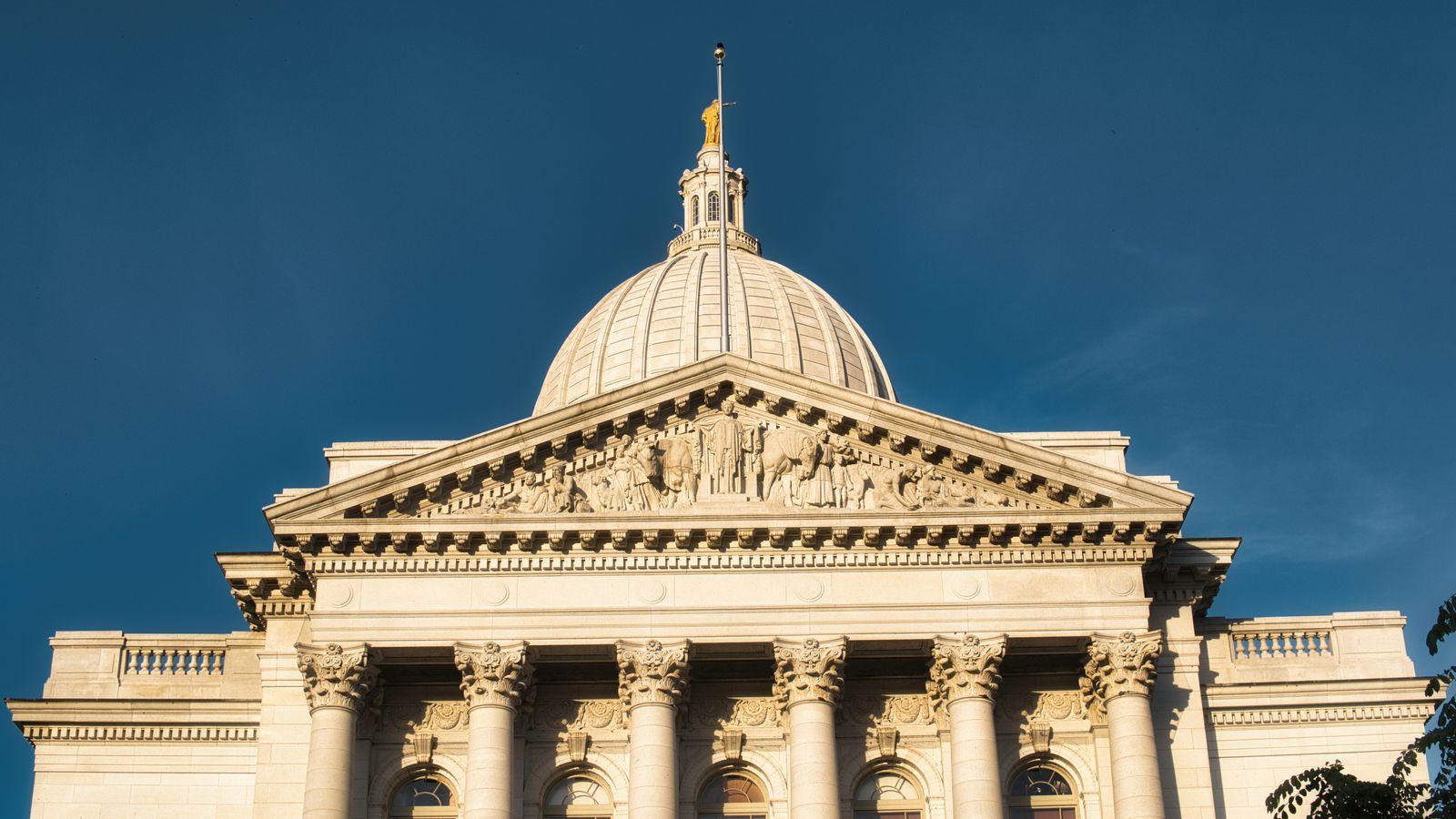
View of Denver's State Capitol with tree and flags in the foreground.
Delaware and Illinois Finalize Regulatory Frameworks
Delaware and Illinois enacted new rules limiting the sale of intoxicating hemp-derived cannabinoids, closing loopholes that allowed unregulated products to proliferate. Delaware's Department of Agriculture published final regulations restricting delta-8 THC and THCA products to state-licensed dispensaries, effective July 1, 2026. Illinois lawmakers passed HB 4161, which prohibits the sale of hemp beverages and edibles containing more than 0.3 percent total THC by dry weight outside the state's adult-use program.
Both states cited consumer-safety concerns and the need to protect regulated cannabis markets. Illinois Governor J.B. Pritzker signed the bill on June 18, 2026, following bipartisan support in the General Assembly. Delaware's rule change followed a public-comment period that drew more than 400 submissions from hemp operators, cannabis retailers, and public-health advocates.
Nebraska and Nevada Pursue Legislative Bans
Nebraska advanced LB 588, a bill prohibiting the manufacture and sale of all intoxicating hemp products, while Nevada's Assembly passed AB 305 restricting hemp-derived THC to licensed dispensaries. Nebraska's Judiciary Committee voted 6-2 on June 20, 2026, to advance the measure to the full legislature, where it faces a final vote in early July. The bill defines intoxicating hemp as any product containing more than 0.5 milligrams of total THC per serving.
Nevada's AB 305 passed the Assembly 28-14 on June 22, 2026, and now moves to the Senate. The bill requires all hemp products containing detectable THC to be sold exclusively through the state's Cannabis Compliance Board-licensed retailers. Sponsors argued the measure closes a regulatory gap that allowed gas stations and convenience stores to sell products functionally identical to dispensary inventory without testing or age verification.
Philadelphia Enacts Local Hemp Ordinance
Philadelphia became the first major U.S. city to enact a local hemp ordinance, banning the sale of intoxicating hemp products within city limits effective August 1, 2026. City Council passed Bill 240512 on June 19, 2026, by a vote of 13-4. The ordinance prohibits retailers from selling any hemp-derived product intended for inhalation or ingestion that contains more than 0.3 percent delta-9 THC or any amount of delta-8 THC, delta-10 THC, or THCA.
Councilmember Kendra Brooks, the bill's primary sponsor, said the measure addresses complaints from parents and school administrators about youth access to intoxicating products marketed as legal hemp. Violations carry fines of up to $2,000 per incident. The ordinance doesn't affect Pennsylvania's medical cannabis program or federally compliant hemp products without intoxicating effects.
Virginia Proposes Emergency Regulations
Virginia's Cannabis Control Authority published emergency regulations on June 21, 2026, requiring all hemp retailers to register with the state and restricting sales of intoxicating products to adults 21 and older. The emergency rule took effect immediately. It mandates that retailers verify customer age and maintain sales records for three years. Products must carry warning labels and list total THC content on packaging.
Regulations apply to delta-8 THC, delta-10 THC, THCA, and other hemp-derived cannabinoids that produce intoxication. Virginia's move follows the state's launch of adult-use cannabis sales in January 2026. Industry observers note the emergency action mirrors regulatory strategies in states that opened adult-use markets and subsequently moved to restrict unregulated hemp channels.
Multi-State Pattern Reflects Federal Inaction
The coordinated state actions highlight a nationwide regulatory vacuum created by the 2018 Farm Bill's definition of hemp, which didn't anticipate the rise of intoxicating cannabinoids extracted from compliant plants. Twenty-two states have now enacted restrictions on intoxicating hemp products since 2024, according to data compiled by the National Conference of State Legislatures. The U.S. Hemp Roundtable has called for federal clarification, urging Congress to amend the Farm Bill to distinguish between industrial hemp and products intended for intoxication.
For comprehensive coverage of state-level hemp policy developments, see the CannIntel topic hub on State Hemp Policy Updates 2026. Next legislative flash point: Ohio and Texas. Similar bills are pending committee votes in early July.
Sources
The cannabis newsletter you forward to your team.
Federal policy, market data, grower alerts, and the one story that matters today. Sent every weekday at 7am. Free.
No spam. Unsubscribe with one click. 21+ only.
Related from Laws
Virginia's $250 Public Marijuana Fine Draws Advocate Pushback
Reform groups challenge civil penalty structure as disproportionate to decriminalization intent under Va. Code § 4.1-600.

Marijuana Moment Petitions DEA Judge to Livestream Rescheduling Hearing
The news outlet filed a motion seeking public broadcast access to the administrative hearing on cannabis's Schedule III placement.

DEA Rescheduling Stalls as Cannabis Lawyers Face Regulatory Limbo
Federal rescheduling remains frozen in administrative review, leaving cannabis attorneys without clear compliance roadmaps.
More from the newsroom

Nebraska cultivator cleared to plant first legal medical marijuana crop
State regulators issued the first cultivation license, marking the operational launch of Nebraska's voter-approved medical cannabis program.

Minnesota Study Shows Medical Cannabis Improves Pain Patient Life Quality
State officials document significant gains in daily enjoyment among chronic pain patients enrolled in the medical program.

Marijuana Odor Loses Probable-Cause Status in Growing Number of States
Courts and legislatures are stripping police of the authority to search vehicles based solely on cannabis smell.