Oregon Lawmaker Targets 2027 Cannabis Child-Protection Regulations
State representative announces intent to introduce stricter cannabis rules in the 2027 legislative session focused on minors.
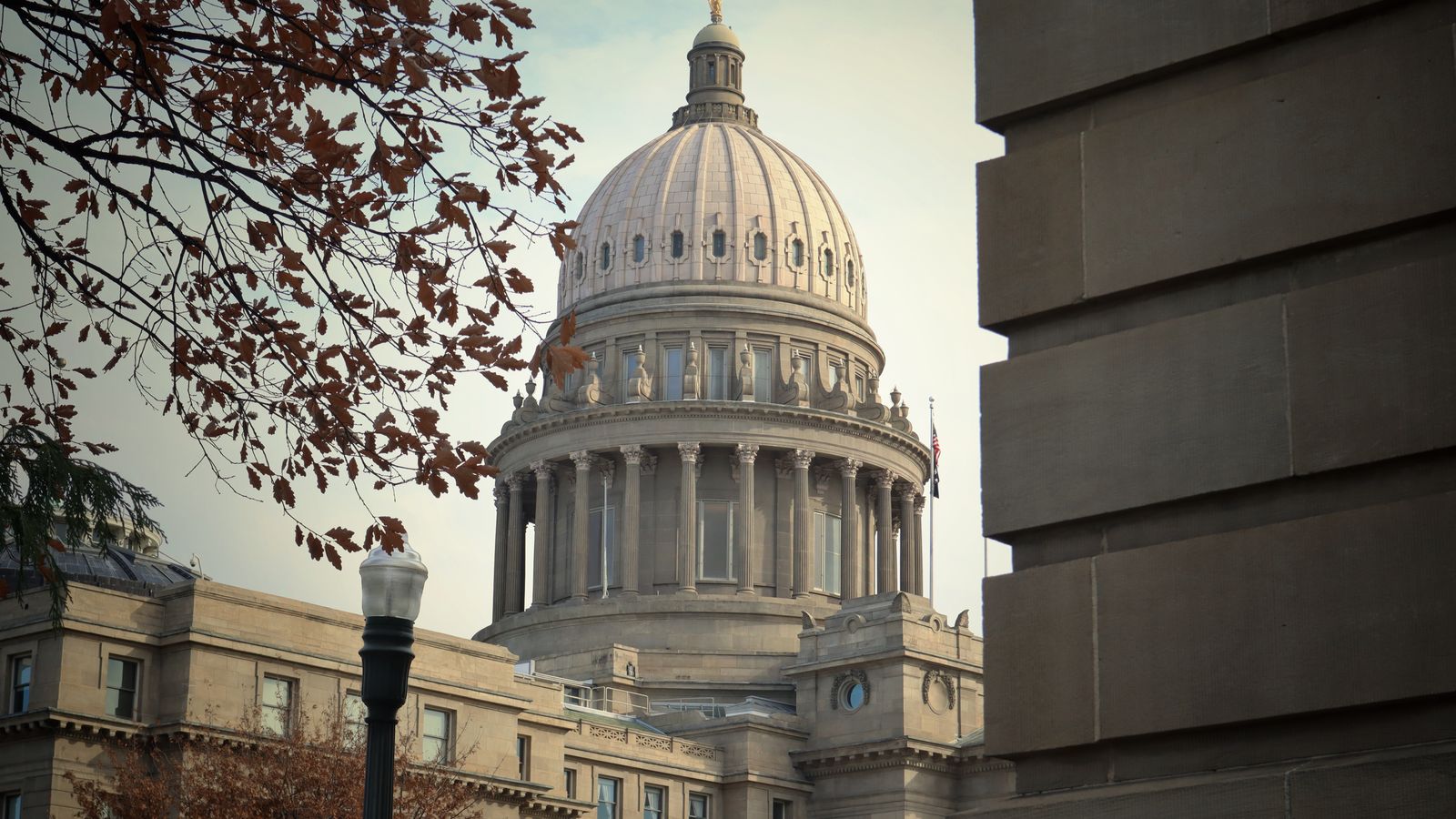
A view of the Idaho State Capitol Building framed by autumn leaves.
Legislative Intent Declared for 2027 Session
The lawmaker didn't specify which regulations she plans to introduce but framed the effort as a response to concerns about youth access and marketing. According to OregonLive, the announcement came during a public forum on August 24. Her office hasn't yet released draft language or a timeline for bill filing, which typically occurs in January ahead of Oregon's biennial session start in February.
Oregon's 2027 legislative session convenes February 2. Cannabis regulation bills typically route through the House Committee on Revenue or the Senate Committee on Finance and Revenue, depending on whether they carry tax implications.
Oregon's Youth-Access Track Record Under Scrutiny
Oregon has struggled with youth cannabis use rates that exceed the national average, according to federal survey data. The 2025 National Survey on Drug Use and Health found that 14.2 percent of Oregon teens aged 12-17 reported past-month cannabis use, compared to the national average of 10.8 percent. Critics have pointed to Oregon's permissive packaging rules and high dispensary density as contributing factors.
The Oregon Liquor and Cannabis Commission adopted revised packaging rules in 2024 that banned cartoon imagery and certain color schemes. Enforcement has been inconsistent. Industry groups argue that black-market products, not licensed dispensaries, drive most youth access.
Potential Regulatory Targets
Packaging, potency caps, and advertising restrictions appear to be the likely focal points. Oregon currently allows THC concentrations up to 50 percent in flower and 90 percent in concentrates sold at adult-use dispensaries, with no potency caps on edibles beyond the 50mg-per-package limit for recreational products. Medical products face no potency ceiling.
Both Washington and Colorado have debated potency caps in recent sessions. Washington's HB 1453, introduced in 2025, proposed a 30 percent THC cap for flower and a 60 percent cap for concentrates but stalled in committee. Colorado's SB 23-271, which took effect January 2024, requires health warnings on products exceeding 35 percent THC but doesn't impose outright bans.
Industry Pushback Expected
Oregon's cannabis trade groups have consistently opposed potency caps and additional packaging mandates, arguing they advantage the illicit market. The Oregon Cannabis Association, which represents more than 500 licensed operators, released a statement in March 2026 opposing any new regulations that don't address enforcement of existing rules first. The group cited OLCC data showing that fewer than 12 percent of licensed retailers received compliance inspections in 2025.
Operators have also pointed to Oregon's tax structure, which imposes a 17 percent retail excise tax plus local taxes that can push the total burden above 20 percent in some jurisdictions. California's regulated market has faced similar criticism, with operators arguing that high taxes and strict packaging rules push consumers toward unlicensed sellers.
Timing and Political Context
The 2027 session will be the first under Oregon's new governor, who took office in January 2027 and has signaled openness to cannabis-market reforms. The governor's transition team included representatives from public-health advocacy groups that have called for stricter youth-access controls. That political alignment may give the lawmaker's proposal more traction than similar efforts in prior sessions.
Oregon's House is narrowly controlled by Democrats, who hold a 32-28 majority as of the 2026 elections. Senate split: 16-14 Democratic. Cannabis regulations have historically drawn bipartisan support when framed around youth protection, though industry-backed lawmakers have blocked potency caps in committee in both 2023 and 2025.
Federal Rescheduling Wildcard
The federal rescheduling process adds uncertainty to Oregon's regulatory calculus. The DEA's proposed rule to move cannabis from Schedule I to Schedule III remains under review, with a final decision expected by December 2026. If rescheduling proceeds, Oregon operators would gain access to normal tax deductions under Section 280E, potentially improving margins enough to absorb new compliance costs.
For full background on this story, see the CannIntel topic hub on Oregon Cannabis Regulations. Industry observers have noted that states may face pressure to tighten regulations if federal rescheduling creates the perception of a more permissive national environment.
What Operators Should Watch
Draft bill language will be the first concrete signal. Oregon's legislative process requires bill text to be posted online at least 48 hours before committee hearings, giving operators time to mobilize testimony and lobbying efforts. The lawmaker's choice of committee assignment will also indicate whether the bill carries tax provisions or focuses purely on OLCC rule changes.
Next inflection point: January 15, 2027, the deadline for pre-session bill filing. Operators should monitor the Oregon Legislative Information System for any filings referencing ORS 475C, the state's cannabis statute.
Sources
The cannabis newsletter you forward to your team.
Federal policy, market data, grower alerts, and the one story that matters today. Sent every weekday at 7am. Free.
No spam. Unsubscribe with one click. 21+ only.
Related from Laws
AG Blanche Says DOJ Won't Interfere With State-Legal Cannabis
Attorney General Todd Blanche said the Justice Department isn't seeking to interfere with state-legal marijuana operators, but no written policy or rule change accompanied the reported remarks.

Blanche Says Lucas Charges Aren't Aimed at State Cannabis Laws
The attorney general framed the federal case against Virginia's Senate president pro tem as conduct-based, not a move against state marijuana policy.

DOJ indicts Virginia lawmaker, six others over hemp THC shop
Federal prosecutors charged a Virginia state lawmaker and six others over a hemp THC operation, testing where hemp ends and marijuana begins.
More from the newsroom

Virginia Senator Faces Federal Marijuana and Fraud Charges
Marijuana Moment reported Oct. 22 that a top Virginia senator faces federal marijuana and fraud charges; the counts, court and named defendant await confirmation.

New Jersey Bill Extending Hemp Drink Sales Advances
A bill to extend New Jersey hemp drink sales moved forward Oct. 22, but the public record behind the headline is thin.

Survey of 7,913 German Patients Finds Pharmacy Cannabis Preferred
A survey of 7,913 German medicinal cannabis patients, nearly 90% with experience of both channels, points to the illegal market as a major source of stress.