Baby Boomers Drive $500M Cannabis Market Across Michigan, Ohio
Consumers aged 60+ now account for half a billion dollars in annual sales across the two Midwest adult-use states.

A senior couple sits together on a bench outside a shop, embracing under an American flag.
Market Scale and Geographic Distribution
The $500 million figure represents combined annual sales to consumers aged 60 and older in Michigan and Ohio, two states with mature adult-use programs. Michigan legalized adult-use cannabis in 2018. Ohio's adult-use market launched in August 2024 following voter approval in November 2023.
Michigan accounts for the majority of Boomer spending, reflecting its three-year head start and larger population base. Ohio's contribution has grown rapidly since adult-use sales began, with early data showing higher-than-expected participation rates among older consumers.
Product Preferences and Purchase Patterns
Older consumers skew heavily toward low-dose edibles, topicals, and tinctures, avoiding flower and vape products that dominate younger cohorts. Retail operators in both states report Boomers favor products marketed for sleep, pain management, and inflammation.
Average transaction sizes for the 60+ demographic run 15-20% higher than the market average. Why? Repeat purchases of trusted brands and premium-priced wellness formulations. Loyalty program data shows this cohort visits dispensaries less frequently but spends more per visit.
Regulatory Context in Both States
Michigan's Cannabis Regulatory Agency oversees more than 1,800 active retail licenses statewide, while Ohio's Division of Cannabis Control manages a smaller but rapidly expanding footprint. Both states permit medical and adult-use sales under separate regulatory frameworks, though many operators hold dual licenses.
Ohio's adult-use rollout faced initial supply constraints as cultivators scaled production to meet unexpected demand. Michigan operators, by contrast, have dealt with oversupply and price compression for two years, making the high-margin Boomer segment particularly attractive.
Implications for Retail Strategy
Dispensaries are reconfiguring store layouts and staff training to accommodate older customers who require more consultation time and prefer in-person shopping over online ordering. Several Michigan-based MSOs have launched dedicated "wellness consultation" services targeting the 60+ demographic.
Marketing compliance remains a constraint. Both states prohibit health claims and restrict advertising channels. That forces operators to rely on in-store education and word-of-mouth referrals to reach older consumers.
Comparison to National Trends
National surveys show cannabis adoption among adults 65+ has tripled since 2019, driven by shifting social attitudes and greater acceptance of cannabis for medical purposes. Michigan and Ohio together represent roughly 8% of the U.S. legal cannabis market by population, suggesting the Boomer segment could exceed $6 billion nationally. The Midwest data aligns with those broader patterns.
Outlook and Market Maturation
The $500 million baseline is likely to grow as Ohio's market matures and Michigan's older population continues to age into the 60+ bracket. Demographic projections show the 65+ population in both states will increase 18% by 2030, creating a structural tailwind for cannabis sales.
For context on the regulatory and competitive landscape shaping these markets, see the CannIntel topic hub on Michigan and Ohio cannabis markets.
Can operators sustain margins as competition for this cohort intensifies? Early entrants with strong brand equity and customer education infrastructure hold the advantage.
Frequently asked questions
How much do Baby Boomers spend on cannabis in Michigan and Ohio?
Consumers aged 60 and older account for approximately $500 million in combined annual cannabis sales across Michigan and Ohio, according to retail data. Michigan contributes the majority due to its earlier adult-use launch in 2018.
What cannabis products do older consumers prefer?
Baby Boomers favor low-dose edibles, topicals, and tinctures marketed for sleep, pain, and inflammation. They avoid flower and vape products that dominate younger demographics, and they spend 15-20% more per transaction on average.
Why is the Boomer cannabis market growing in the Midwest?
Shifting social attitudes, greater acceptance of medical cannabis, and the maturation of Ohio's adult-use market (launched August 2024) are driving growth. The 65+ population in both states is projected to increase 18% by 2030, creating structural demand.
How are dispensaries adapting to older customers?
Retailers are reconfiguring store layouts, extending consultation times, and launching dedicated wellness services. Older consumers prefer in-person shopping and require more staff education than younger cohorts.
Sources
The cannabis newsletter you forward to your team.
Federal policy, market data, grower alerts, and the one story that matters today. Sent every weekday at 7am. Free.
No spam. Unsubscribe with one click. 21+ only.
Related from Business

Springfield Cannabis Workers Ratify Missouri's Second Union Contract
Four-year organizing effort ends with ratification at Springfield dispensary, marking rare labor win in state's cannabis sector.
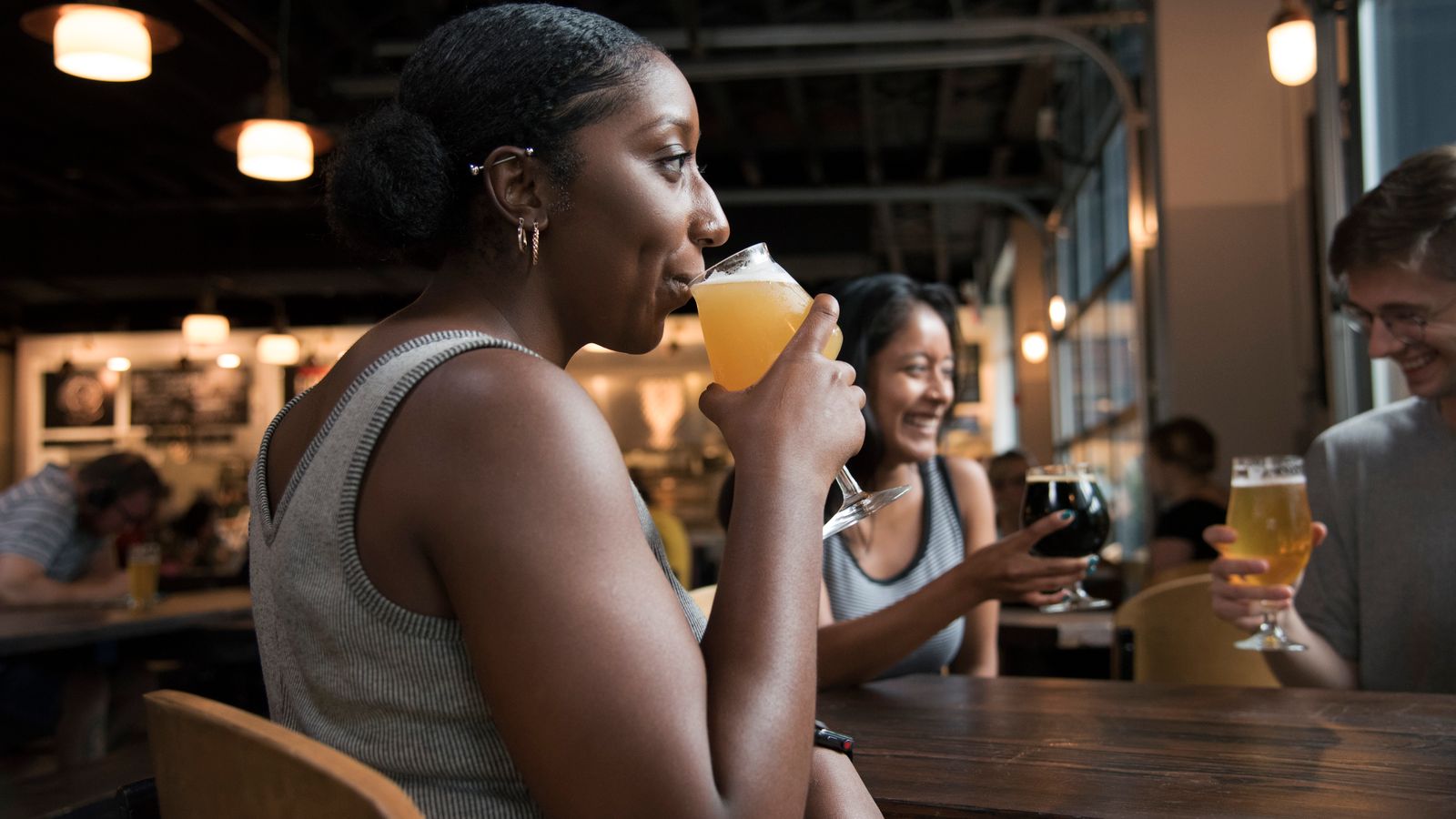
Illinois THC Beverage Ban Threatens Lifeline for Local Breweries
State regulators may shut down hemp-derived THC drinks by year's end, jeopardizing revenue stream that rescued struggling craft brewers.

Aurora Cannabis Refutes Curaleaf Claims in Hostile Takeover Defense
Aurora Cannabis (ACB) publicly disputed statements made by Curaleaf Holdings in support of its unsolicited acquisition proposal.
More from the newsroom
Federal Cannabis Reform Stalls as DEA Rescheduling Drags Into 2027
The DEA's Schedule III rulemaking remains in limbo while state programs expand, leaving operators navigating conflicting federal and state regimes.
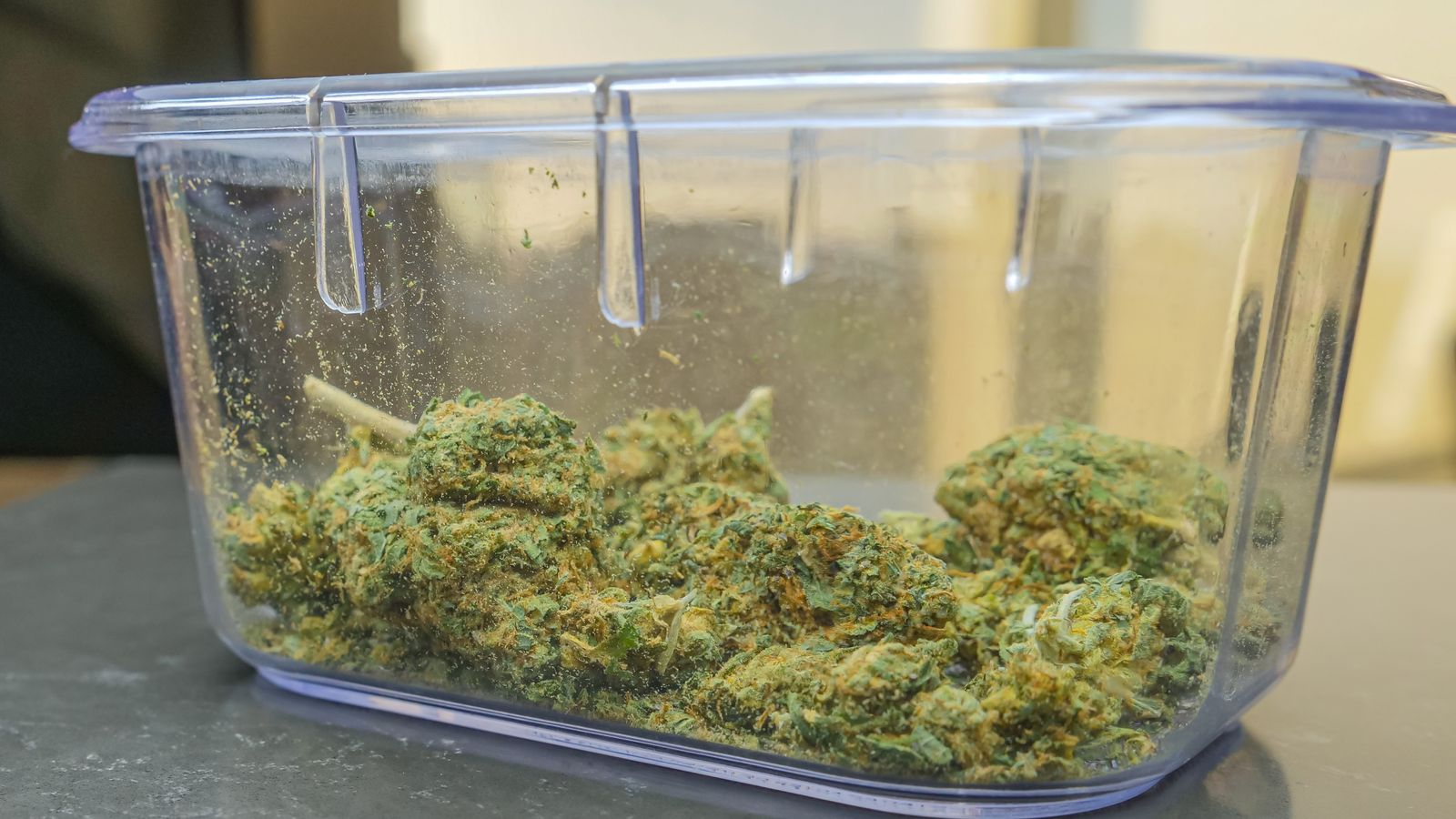
California Lawmakers Approve Bill Restricting Child-Attractive Cannabis Packaging
The legislation bans cannabis product packaging designed to appeal to minors, moving to the governor's desk.

Massachusetts Voters Back Psychedelics Ballot Measure in August Poll
A new survey shows majority support for the state's November psychedelics legalization question, with cannabis-related measures also polling favorably.