Federal Cannabis Reform Stalls as DEA Rescheduling Drags Into 2027
The DEA's Schedule III rulemaking remains in limbo while state programs expand, leaving operators navigating conflicting federal and state regimes.
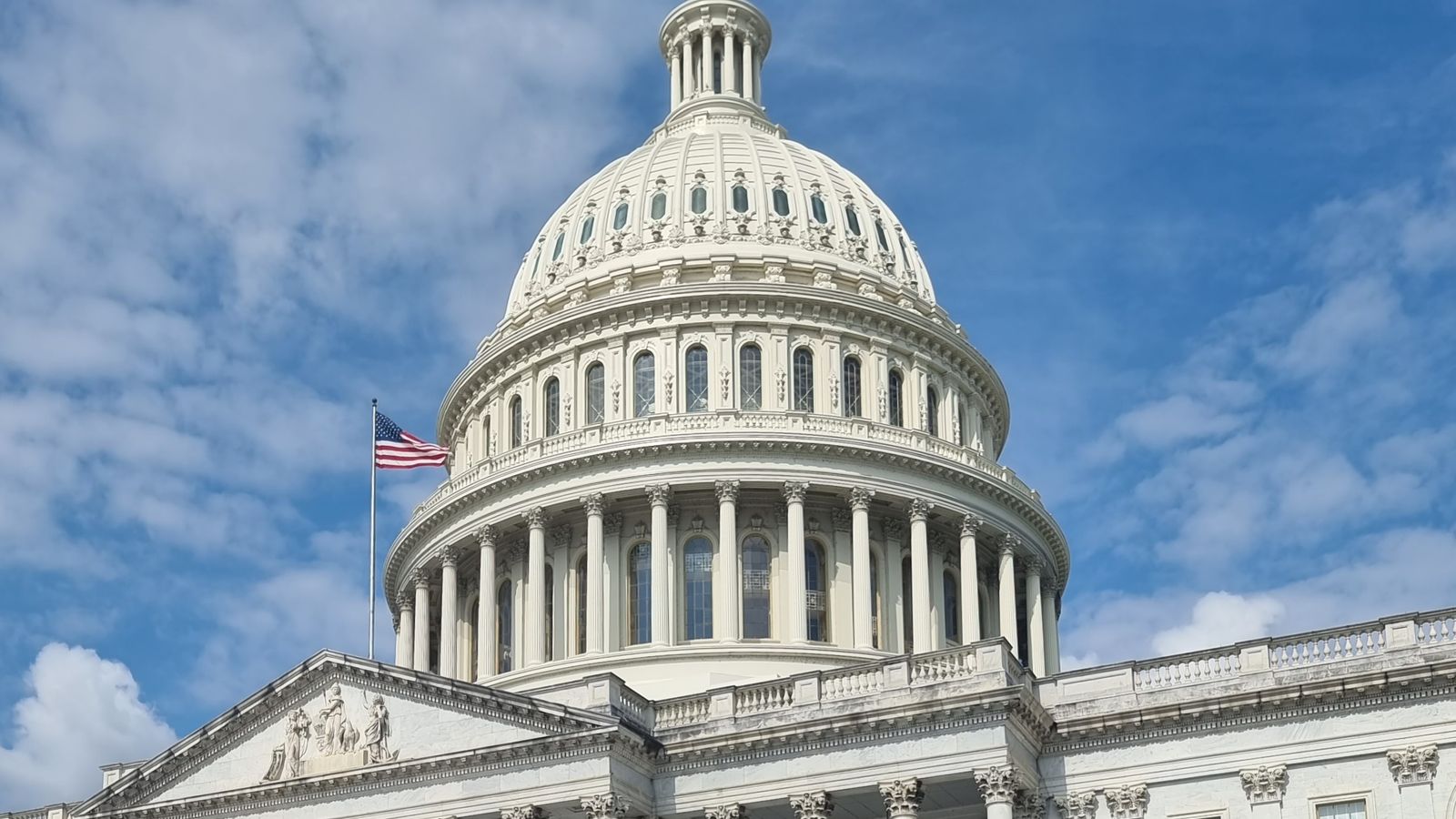
A striking view of the US Capitol dome with flag and blue sky in Washington, DC.
DEA Rescheduling Timeline Slips Beyond 2026
The DEA hasn't issued a final rule on rescheduling cannabis despite an August 2025 NPRM that projected a decision by spring 2026. The agency received more than 43,000 public comments during the 60-day comment period, according to the Federal Register docket, but hasn't published responses or a timeline for finalizing the rule. Industry attorneys now expect no movement before the first quarter of 2027.
Rescheduling wouldn't legalize cannabis federally. It would maintain criminal penalties for unauthorized possession and distribution while reclassifying the plant under the Controlled Substances Act. The primary operational benefit for licensed operators? Elimination of Internal Revenue Code Section 280E, which currently prohibits deductions for cost of goods sold and operating expenses for Schedule I and II substances.
280E Tax Burden Reaches $2 Billion Annually
State-licensed cannabis operators paid an estimated $2.1 billion in federal taxes attributable to 280E disallowances in fiscal 2025, according to industry tax data compiled by Whitney Economics. Multi-state operators report effective tax rates between 55% and 75% of gross profit due to the restriction. Rescheduling to Schedule III would remove that barrier. Standard business deductions would apply. Effective rates would drop to the mid-20% range for most operators.
The financial impact is immediate. Curaleaf Holdings reported $89 million in non-deductible expenses in its 2025 fiscal year, while Green Thumb Industries disclosed $76 million. For smaller operators, 280E often determines whether a profitable cultivation or retail operation can survive. The cleanest read on rescheduling's value is this: it converts a structurally unprofitable tax regime into a competitive one.
State Markets Expand Despite Federal Gridlock
Thirty-eight states now permit medical or adult-use cannabis, with Ohio, Kentucky, and Minnesota launching adult-use sales in 2026. Combined state-legal sales reached $30.2 billion in 2025, a 12% increase over 2024, according to data from cannabis analytics firm BDSA. Florida voters will decide on adult-use legalization in November 2026, with polling showing 61% support. If approved, Florida would become the largest adult-use market by population.
Banks remain reluctant to serve cannabis clients due to federal money-laundering statutes. Interstate commerce is prohibited, forcing redundant cultivation and processing infrastructure in each state. Patent and trademark protections are unavailable for cannabis products. Operators can't list on major U.S. exchanges. The result? A $30 billion industry operating in a parallel economy with limited access to capital, legal protections, or standard business infrastructure.
Congressional Reform Bills Stall in Committee
The SAFER Banking Act passed the Senate Banking Committee in September 2025 but hasn't reached a floor vote. The bill would create a federal safe harbor for banks serving state-licensed cannabis businesses, addressing the cash-intensive nature of the industry. House leadership hasn't scheduled companion legislation for a vote. The Cannabis Administration and Opportunity Act, which would deschedule cannabis entirely and establish a federal regulatory framework, remains in the Senate Finance Committee with no markup scheduled.
Political momentum for reform has slowed. The 2024 election cycle produced divided government, with narrow margins in both chambers making comprehensive cannabis legislation difficult to advance. Incremental measures like SAFER Banking have bipartisan support in polling but face procedural obstacles. For context on the legislative environment, see the CannIntel topic hub on US cannabis policy.
Operators Plan for Extended Federal Limbo
Multi-state operators are modeling business plans that assume no federal reform before 2028. Executives at the Benzinga Cannabis Capital Conference in August 2026 described a strategy of state-by-state expansion, vertical integration to control costs under 280E, and reliance on private debt markets for capital. Public MSOs trade at an average enterprise value of 1.2x revenue, compared to 3-4x for comparable consumer packaged goods companies, reflecting the federal risk discount.
Watch for the DEA's response to public comments on rescheduling. If the agency publishes a supplemental notice or final rule before year-end, implementation could begin in early 2027. If not, the rulemaking could extend into the next presidential administration. For operators, the timeline matters less than the certainty. What they need is a final rule, not another round of speculation.
Sources
The cannabis newsletter you forward to your team.
Federal policy, market data, grower alerts, and the one story that matters today. Sent every weekday at 7am. Free.
No spam. Unsubscribe with one click. 21+ only.
Related from Laws
AG Blanche Says DOJ Won't Interfere With State-Legal Cannabis
Attorney General Todd Blanche said the Justice Department isn't seeking to interfere with state-legal marijuana operators, but no written policy or rule change accompanied the reported remarks.

Blanche Says Lucas Charges Aren't Aimed at State Cannabis Laws
The attorney general framed the federal case against Virginia's Senate president pro tem as conduct-based, not a move against state marijuana policy.

DOJ indicts Virginia lawmaker, six others over hemp THC shop
Federal prosecutors charged a Virginia state lawmaker and six others over a hemp THC operation, testing where hemp ends and marijuana begins.
More from the newsroom

Virginia Senator Faces Federal Marijuana and Fraud Charges
Marijuana Moment reported Oct. 22 that a top Virginia senator faces federal marijuana and fraud charges; the counts, court and named defendant await confirmation.

New Jersey Bill Extending Hemp Drink Sales Advances
A bill to extend New Jersey hemp drink sales moved forward Oct. 22, but the public record behind the headline is thin.

Survey of 7,913 German Patients Finds Pharmacy Cannabis Preferred
A survey of 7,913 German medicinal cannabis patients, nearly 90% with experience of both channels, points to the illegal market as a major source of stress.