Illinois THC Beverage Ban Threatens Lifeline for Local Breweries
State regulators may shut down hemp-derived THC drinks by year's end, jeopardizing revenue stream that rescued struggling craft brewers.
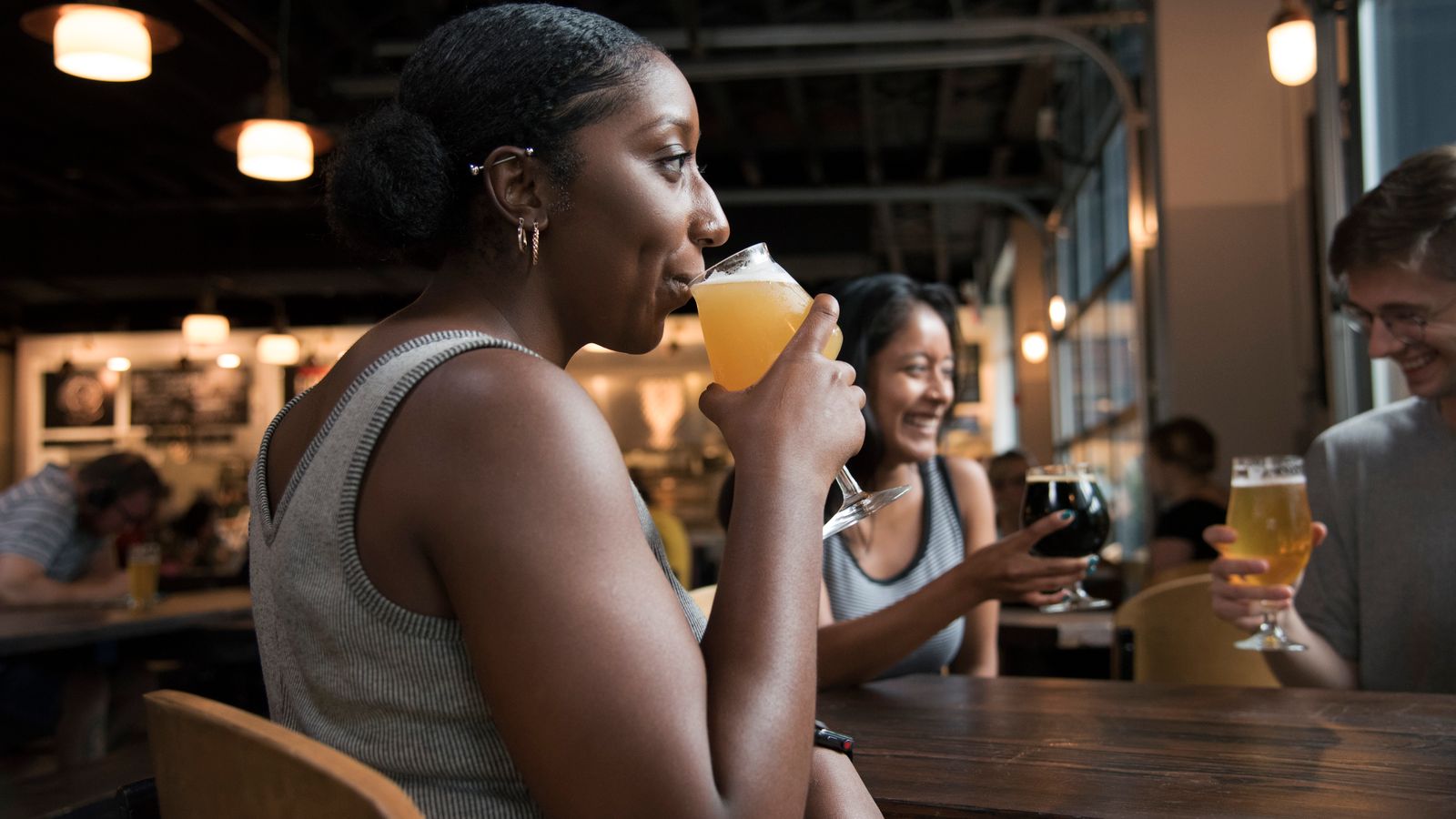
Group of friends having a good time sipping drinks in a cozy bar setting.
The Regulatory Threat
Illinois officials are advancing rules that would classify hemp-derived THC beverages as controlled cannabis products, effectively banning their sale outside licensed dispensaries. The move targets drinks infused with delta-9 THC derived from hemp, which have occupied a legal gray zone since the 2018 Farm Bill federally legalized hemp containing less than 0.3% THC by dry weight. Liquid products can contain higher absolute THC levels while staying under the threshold.
The Illinois Department of Agriculture hasn't published a formal rulemaking notice, but industry sources say draft language circulated in July would reclassify any beverage containing more than 0.5mg THC per serving as a cannabis product. That ceiling sits far below the 5mg to 10mg doses common in today's market. Breweries selling THC drinks would need a cannabis retail license to continue — a license type the state has capped and auctioned at prices exceeding $500,000.
The Brewery Lifeline
THC beverages rescued breweries hemorrhaging revenue after the pandemic crushed taproom traffic and distributor margins. At least two dozen Illinois craft brewers launched THC lines between 2024 and early 2026, according to industry group the Illinois Craft Brewers Guild. Several told Block Club Chicago that THC products now account for 20% to 40% of gross revenue.
The category grew because it required no new licensing. Brewers could produce or co-pack THC drinks using existing food-manufacturing permits, then sell them through the same distributors that handle beer. Margins on THC drinks run roughly double those on craft beer. The products move faster, too. One West Loop brewer said his THC seltzer line generated more profit in six months than his flagship IPA did in two years.
That math is hard to argue with. But it also explains why the state's licensed cannabis operators have lobbied aggressively to shut the channel down.
The MSO Pressure Campaign
Illinois' largest cannabis multistate operators have spent eighteen months pressing regulators to eliminate the hemp-THC loophole, arguing it creates an unregulated market that undercuts licensed sales. Cresco Labs, Green Thumb Industries, and Verano Holdings — all headquartered in Illinois — have filed public comments and met repeatedly with the Department of Agriculture and the Department of Financial and Professional Regulation, which oversees cannabis licensing.
Their case: hemp-derived THC drinks are chemically identical to cannabis products but face none of the testing, labeling, taxation, or age-verification requirements that licensed operators must follow. MSOs pay an effective tax rate above 70% when federal 280E restrictions are included; hemp-THC brewers pay standard sales tax. The competitive distortion is obvious.
What the MSOs don't say in public filings is that their own beverage portfolios have underperformed. Cresco's "Mindy's" line and GTI's "Good News" seltzers have struggled to gain shelf space in dispensaries, where flower still dominates sales. Killing the brewery channel would force THC beverage consumers back into dispensaries or out of the category entirely.
What Happens Next
If Illinois finalizes the ban, most breweries will exit the THC market rather than pursue cannabis licenses they can't afford and likely wouldn't qualify for under the state's social-equity scoring system. The regulatory pathway doesn't exist. Illinois cannabis licenses are awarded through a lottery system that prioritizes applicants from communities harmed by the War on Drugs. Existing alcohol manufacturers score poorly on those rubrics and face explicit statutory prohibitions against holding both license types simultaneously.
A handful of larger brewers might attempt to spin off separate entities or partner with licensed operators, but the capital requirements and operational complexity make that unlikely for businesses already operating on thin margins. More probable outcome: THC product lines shut down by January 2027, and the revenue disappears.
Watch for the formal Notice of Proposed Rulemaking, expected by mid-September. If the 0.5mg threshold holds, the Illinois hemp-THC beverage market is effectively over. For context on the broader national fight over hemp-derived intoxicants, see the CannIntel topic hub on THC beverages.
Frequently asked questions
Why are Illinois regulators targeting hemp-THC beverages?
Regulators argue hemp-derived THC drinks occupy a legal loophole that allows intoxicating products to bypass cannabis testing, labeling, taxation, and age-verification rules. Licensed cannabis operators have lobbied heavily for the crackdown, citing competitive harm from untaxed products.
Can breweries get cannabis licenses to keep selling THC drinks?
No clear pathway exists. Illinois awards cannabis licenses through a social-equity lottery system that deprioritizes alcohol manufacturers. State law also prohibits entities from holding both alcohol and cannabis licenses simultaneously, and the application process costs hundreds of thousands of dollars.
How much revenue do THC drinks generate for Illinois breweries?
Several craft brewers report THC products account for 20% to 40% of gross revenue, with profit margins roughly double those of beer. At least two dozen Illinois breweries launched THC lines between 2024 and early 2026.
What is the proposed THC limit for beverages in Illinois?
Draft rules circulated in July 2026 would cap THC at 0.5mg per serving. Most hemp-THC beverages on the market today contain 5mg to 10mg per serving, making the proposed limit a de facto ban on the category.
When will Illinois finalize the hemp-THC beverage rules?
A formal Notice of Proposed Rulemaking is expected by mid-September 2026. If finalized, the ban would likely take effect by January 2027, giving breweries less than five months to wind down THC product lines.
Sources
The cannabis newsletter you forward to your team.
Federal policy, market data, grower alerts, and the one story that matters today. Sent every weekday at 7am. Free.
No spam. Unsubscribe with one click. 21+ only.
Related from Business

Baby Boomers Drive $500M Cannabis Market Across Michigan, Ohio
Consumers aged 60+ now account for half a billion dollars in annual sales across the two Midwest adult-use states.

Springfield Cannabis Workers Ratify Missouri's Second Union Contract
Four-year organizing effort ends with ratification at Springfield dispensary, marking rare labor win in state's cannabis sector.

Aurora Cannabis Refutes Curaleaf Claims in Hostile Takeover Defense
Aurora Cannabis (ACB) publicly disputed statements made by Curaleaf Holdings in support of its unsolicited acquisition proposal.
More from the newsroom
California Lawmakers Approve Bill Restricting Child-Attractive Cannabis Packaging
The legislation bans cannabis product packaging designed to appeal to minors, moving to the governor's desk.

Massachusetts Voters Back Psychedelics Ballot Measure in August Poll
A new survey shows majority support for the state's November psychedelics legalization question, with cannabis-related measures also polling favorably.

Daily Marijuana Use Surpasses Alcohol and Cigarettes, Federal Data Shows
Cannabis overtakes traditional substances in daily-use prevalence for the first time in U.S. tracking history.