North Carolina Advances HB 328 Hemp Reform Bill in 2026 Session
Legislation reshapes intoxicating hemp product rules and licensing framework statewide.

Interior view of the Texas State Capitol's rotunda showcasing its neoclassical architecture.
Bill Targets Delta-8, THCA, and Intoxicating Hemp Products
HB 328 establishes a state-level regulatory regime for intoxicating hemp-derived cannabinoids, closing loopholes that allowed unregulated delta-8 THC and THCA products to flood North Carolina's retail market. The bill defines intoxicating hemp products as any hemp-derived item containing more than 0.3% total THC on a dry-weight basis or any delta-8, delta-9, or delta-10 THC isomer intended for human consumption. This definition aligns with federal hemp law under 7 U.S.C. § 1639o but adds state-level restrictions on psychoactive compounds.
Pre-market approval is now mandatory for all intoxicating hemp products sold in North Carolina. Manufacturers must submit product formulations, lab test results, and safety data to the North Carolina Department of Agriculture and Consumer Services before distribution. Retailers face civil penalties up to $5,000 per violation for selling unapproved products. The bill doesn't ban intoxicating hemp outright but subjects it to a licensing and testing framework similar to alcohol or tobacco.
THCA flower, which converts to delta-9 THC when heated, falls under the new rules. Retailers selling THCA pre-rolls or flower must obtain a state hemp retailer license and verify that total THC post-decarboxylation doesn't exceed state thresholds. The bill's language on post-decarboxylation testing mirrors language in states like Minnesota and Louisiana that have moved to regulate THCA as a controlled substance analog.
Licensing and Compliance Deadlines for Operators
All hemp manufacturers and retailers operating in North Carolina must obtain state licenses within 180 days of the bill's effective date or cease sales. The Department of Agriculture is tasked with issuing three license types: hemp cultivator, hemp processor, and hemp retailer. Application fees range from $500 for retailers to $2,500 for processors. Background checks are required for all license applicants, and felony drug convictions within the past ten years trigger automatic disqualification.
Existing hemp operators who filed federal Farm Bill compliance plans with the USDA aren't grandfathered under HB 328. They must apply for state licenses. They must meet new product-testing standards. Third-party lab testing is required for potency, pesticides, heavy metals, and microbial contaminants on every production batch. Labs must be ISO 17025-accredited and registered with the state. Test results must be posted on product packaging via QR code or printed certificate of analysis.
Retailers who fail to obtain licenses by the 180-day deadline face immediate cease-and-desist orders and potential criminal misdemeanor charges for continued sales. Local law enforcement and state agriculture inspectors can conduct unannounced compliance checks under the bill's authority. Civil fines for unlicensed sales start at $1,000 per day per location.
What This Means for North Carolina's Hemp Market
HB 328 represents the most significant regulatory tightening of North Carolina's hemp industry since the state legalized hemp cultivation in 2015. The bill's passage would end the current gray-market status of delta-8 and THCA products, which generated an estimated $120 million in retail sales across North Carolina in 2025 according to industry trade groups. Smaller retailers and online-only operators face the highest compliance costs, as licensing fees and lab-testing requirements add thousands of dollars per SKU.
HB 328 doesn't establish a state-run intoxicating hemp product registry or cap the number of licenses issued, leaving market entry theoretically open to any applicant who meets background and financial requirements. But the 180-day implementation window is tight. Operators must retrofit supply chains, contract with accredited labs, and redesign packaging to meet new labeling rules. Industry attorneys expect a wave of consolidation as smaller operators exit the market or sell to multi-state hemp brands with existing compliance infrastructure.
For full background on this story, see the CannIntel topic hub on North Carolina Hemp Regulation.
The next signal: HB 328's floor vote is expected in the North Carolina House by September 15, 2026. If passed, the bill moves to the Senate, where similar hemp reform proposals have stalled in prior sessions. Governor's office hasn't signaled a position on the bill.
Frequently asked questions
What products does North Carolina HB 328 regulate?
HB 328 regulates any hemp-derived product containing more than 0.3% total THC or any delta-8, delta-9, or delta-10 THC isomer intended for human consumption. This includes delta-8 gummies, THCA flower, and other intoxicating hemp products sold in retail stores or online.
When must North Carolina hemp operators obtain state licenses under HB 328?
Operators must obtain state licenses within 180 days of HB 328's effective date. Retailers, processors, and cultivators who fail to meet the deadline face cease-and-desist orders and civil penalties starting at $1,000 per day per location.
Does HB 328 ban delta-8 THC or THCA in North Carolina?
No. HB 328 does not ban delta-8 THC or THCA outright. It requires these products to pass pre-market approval, third-party lab testing, and state licensing before sale. Compliant products can remain on the market.
What are the licensing fees for hemp operators under HB 328?
Licensing fees range from $500 for hemp retailers to $2,500 for hemp processors. All applicants must pass background checks, and felony drug convictions within the past ten years trigger automatic disqualification.
What happens to existing hemp operators when HB 328 takes effect?
Existing operators are not grandfathered. They must apply for state licenses, meet new lab-testing standards, and comply with packaging and labeling rules within 180 days or cease sales. Federal Farm Bill compliance plans do not satisfy state requirements.
Sources
The cannabis newsletter you forward to your team.
Federal policy, market data, grower alerts, and the one story that matters today. Sent every weekday at 7am. Free.
No spam. Unsubscribe with one click. 21+ only.
Related from Laws
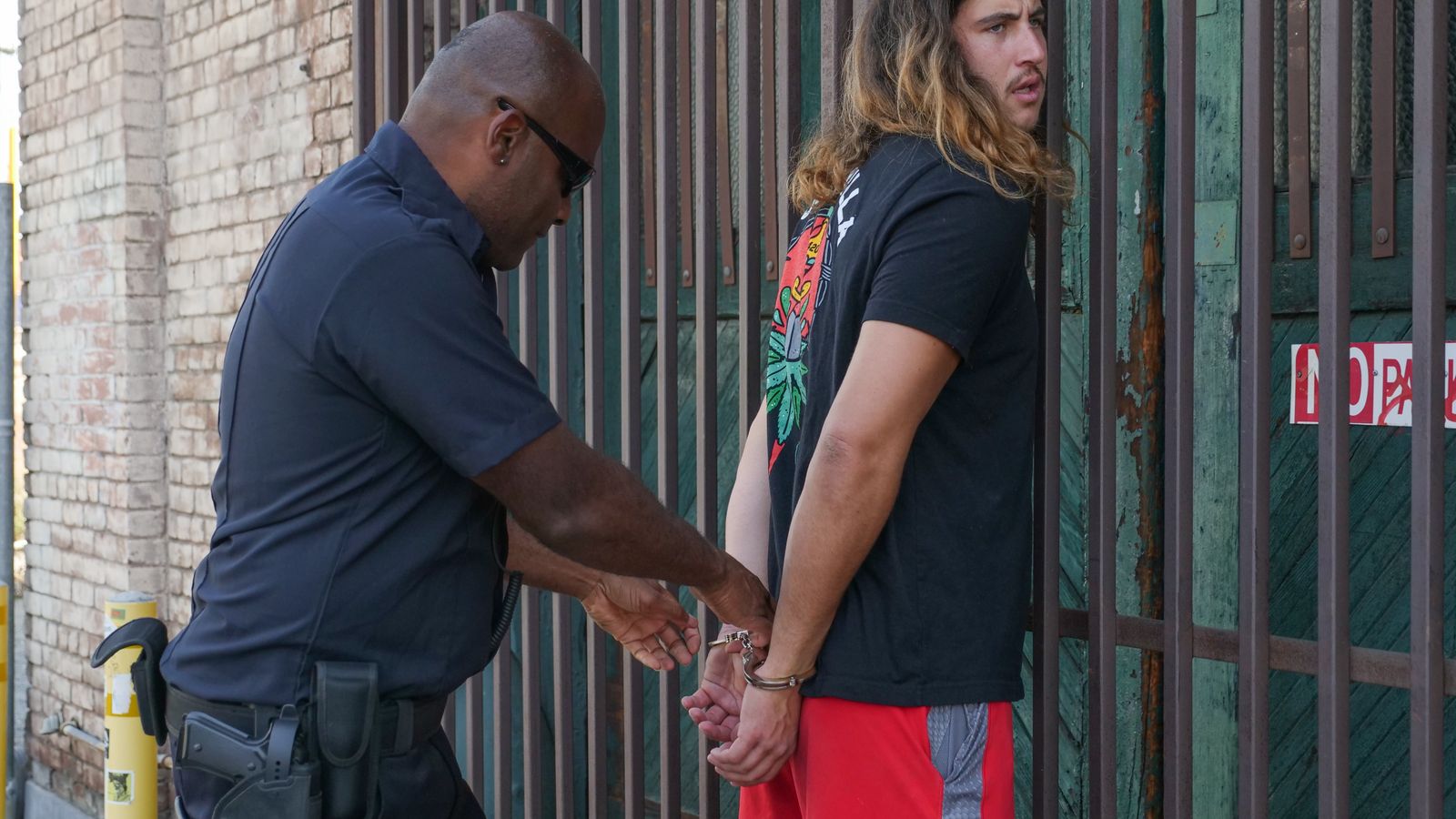
US Records Over 200,000 Marijuana Possession Arrests in 2025
Federal data shows possession arrests remain above 200,000 despite state-level legalization gains across the country.

Texas Hemp and Cannabis Law Overview Series Launches Amid Legal Flux
Multi-part analysis examines legal, scientific, and political landscape as state grapples with hemp-derived THC products.
Federal Report Urgs States to Plan Now for Psychedelics FDA Approval
A new federal analysis warns states to prepare regulatory frameworks before psilocybin and MDMA reach market.
More from the newsroom

Cannabis Consolidation Will Leave 3-5 Players Per Market, Executive Warns
Capital alone won't determine survivors — repeatable systems and hard organizational decisions separate contenders from casualties.

Himachal Pradesh Eases Cannabis Cultivation Norms
The northern Indian state relaxes restrictions on hemp farming amid growing industrial demand.
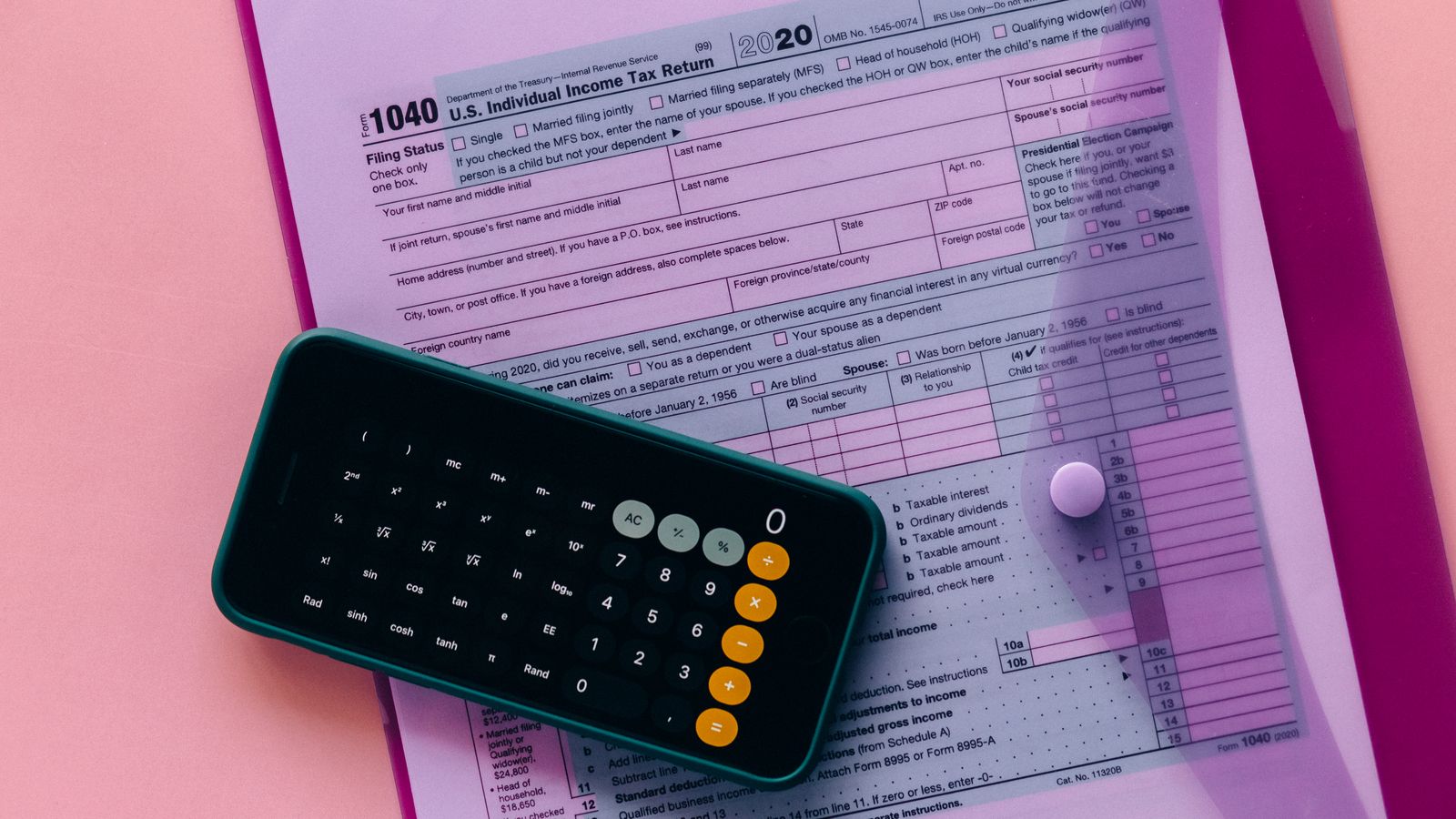
Cannabis Companies Gain R&D Tax Credit Access Under Rescheduling
Federal rescheduling opens IRC §41 research credit eligibility for cannabis operators previously barred by §280E.