North Carolina Panel Floats State-Run Cannabis Stores, Private Grows
A legislative committee proposed a hybrid model splitting retail control from cultivation and manufacturing in a September 20 meeting.
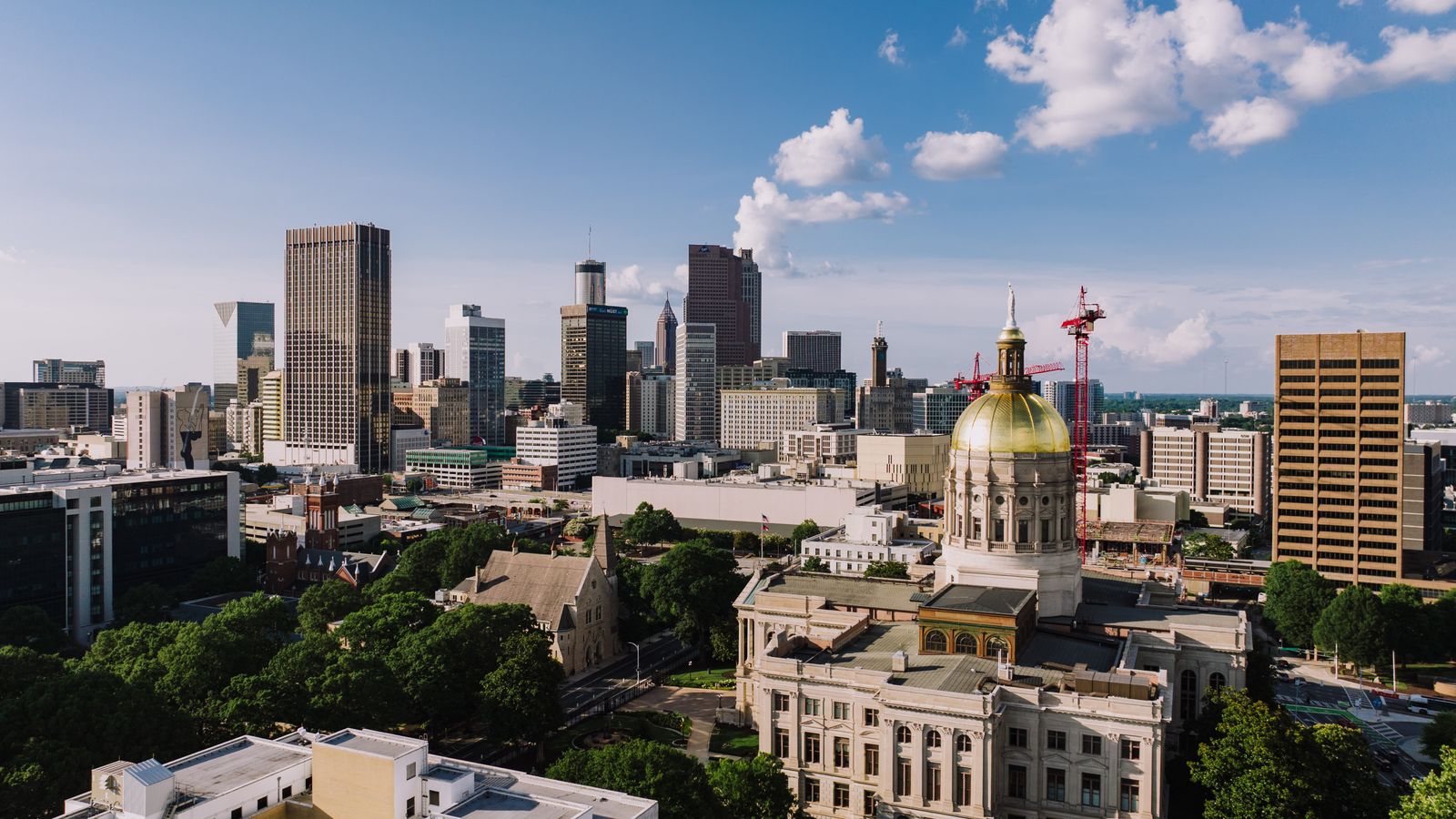
A breathtaking aerial view capturing the Atlanta skyline and the Georgia State Capitol under a clear blue sky.
The Hybrid Model: State Retail, Private Production
The committee's proposal would create a two-tier system where North Carolina controls the point of sale but outsources upstream production. Under the framework discussed September 20, state-operated stores would purchase cannabis from licensed private cultivators and manufacturers, then sell directly to consumers. Think alcohol control states like Pennsylvania and Virginia. They run state liquor stores but buy from private distillers and distributors.
No bill text exists yet. The discussion occurred during a working-group session of a joint legislative committee tasked with studying cannabis policy options ahead of the 2027 session. Committee members didn't vote on the proposal, according to available meeting records.
The state-retail component would require creation of a new state agency or expansion of an existing one to manage store operations, inventory, and compliance. Private cultivators and processors would compete for supply contracts through a licensing framework yet to be defined.
Revenue and Control Rationale
Proponents of state-run retail argue the model maximizes tax capture and limits commercial advertising. In states with private retail, operators retain gross margins that can exceed 40 percent on flower and concentrates. A state monopoly on sales would redirect those margins into public coffers, potentially funding the regulatory apparatus and social programs without relying solely on excise taxes.
The control argument centers on limiting youth access and preventing aggressive marketing. State employees operating behind a counter have no profit motive to upsell or expand the customer base. It also sidesteps the political optics of private cannabis billboards and storefront proliferation, a concern in conservative-leaning districts.
Critics counter that state-run retail introduces operational inefficiencies, slower market response, and higher overhead. Pennsylvania's state liquor stores, for example, have faced criticism for limited hours, inconsistent inventory, and higher prices compared to neighboring private-market states.
Private Cultivation and Manufacturing: The Efficiency Trade
Allowing private companies to cultivate and process cannabis addresses the operational complexity the state would otherwise shoulder. Growing cannabis at scale requires agronomic expertise, climate-controlled facilities, integrated pest management, and post-harvest processing infrastructure. Short version: it's complicated. Manufacturing edibles, concentrates, and topicals adds food-safety and chemical-extraction layers that few state agencies are equipped to manage.
By licensing private operators for upstream work, North Carolina would avoid the capital outlay for grow facilities and processing labs. Instead, the state would collect licensing fees, inspect facilities, and enforce quality standards while private firms compete on price and product quality to win supply contracts.
This division mirrors the structure in some Canadian provinces, where provincial liquor boards purchase from federally licensed producers. Ontario's model, for instance, uses private growers and a mix of public and private retail, though the province has shifted toward more private stores since 2019.
No Precedent in U.S. Adult-Use Markets
No U.S. state with legal adult-use cannabis has implemented a fully state-run retail model. All 24 adult-use jurisdictions as of September 2026 rely on private dispensaries, though regulatory intensity varies. Washington's state liquor control board issues licenses but doesn't operate stores. Oregon, Colorado, and California use private retail with state oversight.
Medical-cannabis states including Pennsylvania and Ohio operate under private models as well, despite those states' history of alcohol control boards. If enacted, the North Carolina proposal would break new ground in U.S. cannabis policy, creating a test case for whether state retail can function without the operational drag seen in legacy liquor monopolies.
The absence of a U.S. precedent means North Carolina would be writing the playbook in real time, with no peer data on startup costs, staffing needs, or consumer response.
Political and Fiscal Headwinds
North Carolina's Republican-controlled legislature has historically resisted adult-use legalization, and a state-run retail model may face opposition from free-market conservatives. The proposal could appeal to fiscal hawks seeking maximum revenue capture, but ideological resistance to expanding state payrolls and creating a new bureaucracy remains a significant barrier.
Startup costs would include real estate acquisition or leasing for storefronts, point-of-sale systems, inventory management software, security infrastructure, and hiring. Pennsylvania's liquor system employs roughly 5,000 workers across 600 stores. A proportional North Carolina cannabis retail network could require 2,000 to 3,000 employees, depending on store density and hours.
The state would also need to front working capital to purchase initial inventory from private growers before retail sales generate revenue. That cash-flow gap could run into tens of millions of dollars, requiring either a legislative appropriation or a bonding mechanism.
Timeline and Legislative Outlook
The September 20 discussion was exploratory, and no legislation is expected before the 2027 session convenes in January. The committee hasn't published a formal report or recommendation. North Carolina remains a medical-only state under a 2023 law that legalized medical cannabis but hasn't yet issued licenses or opened dispensaries.
Adult-use legalization would require a separate bill, likely facing a gubernatorial veto from Democratic Governor Roy Cooper, who has signaled openness to legalization but hasn't endorsed a state-retail model. A veto override would require a three-fifths supermajority in both chambers, a threshold Republicans currently hold but could lose in the 2026 midterms.
If the hybrid model advances, rulemaking for cultivation licenses, supply contracts, store locations, and employee hiring could extend the timeline another 18 to 24 months after passage. First retail sales under such a system wouldn't occur before 2028 at the earliest.
What Comes Next
The committee's next meeting hasn't been scheduled, and no draft legislation has circulated. Observers expect the panel to solicit input from state agencies, including the Department of Revenue and the Alcohol Beverage Control Commission, on operational feasibility and cost modeling. Stakeholder testimony from private cannabis operators, patient advocates, and law enforcement is also likely before any bill is introduced.
For full background on this story, see the CannIntel topic hub on North Carolina Cannabis Legalization. The state's medical program remains in pre-operational limbo as regulators finalize licensing rules, and any adult-use framework would layer onto that unfinished infrastructure. The political variable nobody can model is whether the 2027 legislature will prioritize cannabis at all, given competing fiscal pressures and an election-year calendar.
For complete background, history, and our ongoing coverage of this story:
Open the CannIntel topic hub →Sources
The cannabis newsletter you forward to your team.
Federal policy, market data, grower alerts, and the one story that matters today. Sent every weekday at 7am. Free.
No spam. Unsubscribe with one click. 21+ only.
Related from Laws

Alaska Marijuana Control Board to Vote on Eliminating THC Purchase Limits
Tuesday's agenda includes proposals to remove daily purchase caps, mandatory ad warnings, and marketing restrictions.

Australia Advances Cannabis Law Reform Across Multiple States
New legislation in Victoria and South Australia shifts possession penalties as federal review continues.

Medical Cannabis Advocates Condemn Murphy's Silence on NJ Home Grow
Patient groups criticize Governor Phil Murphy for refusing to clarify his position on medical home cultivation as legislative session nears close.
More from the newsroom
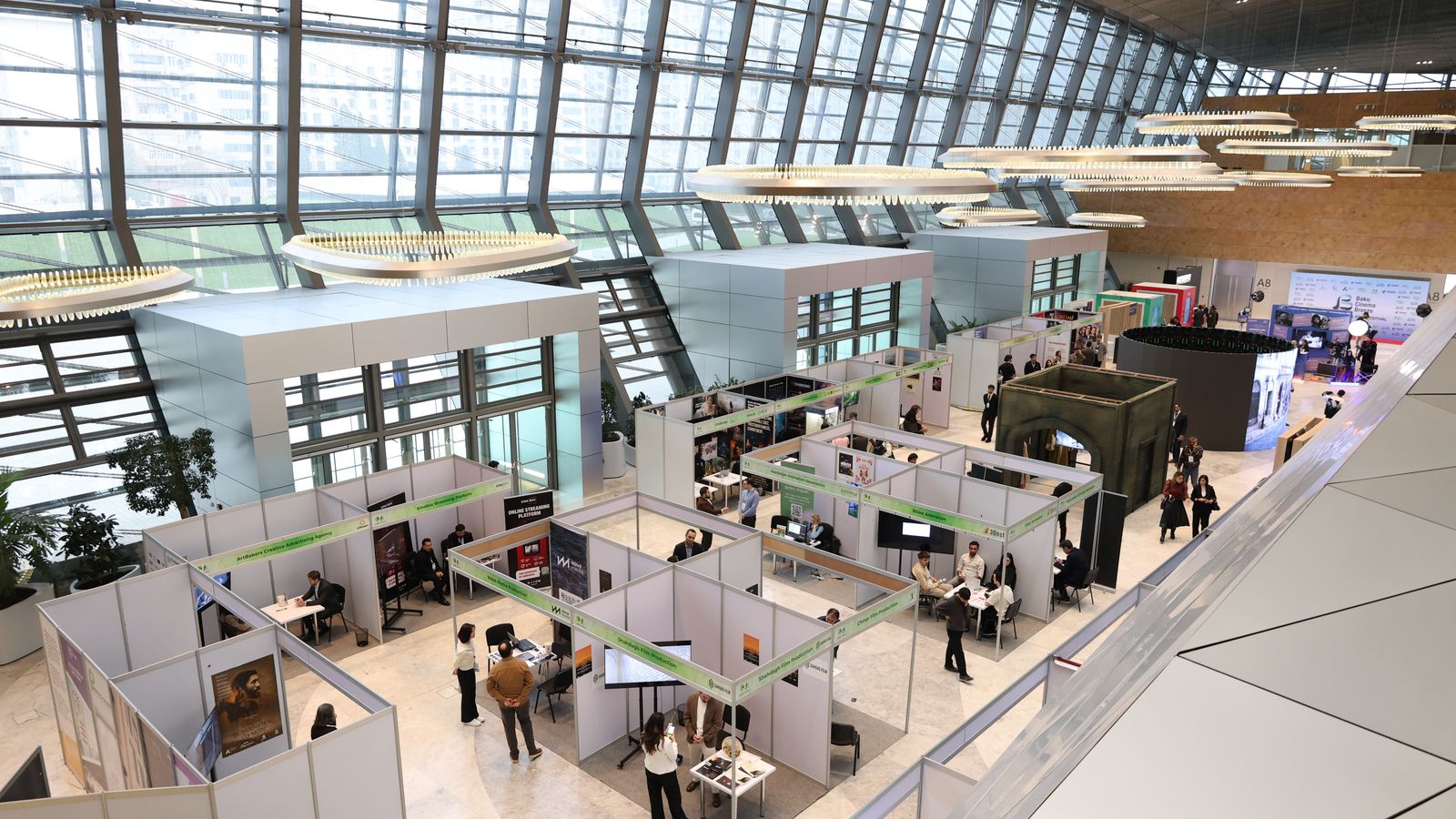
Kentucky Medical Cannabis Operators Gather for First Lexington Expo
The state's nascent medical marijuana industry convened in Lexington on September 20, 2026, as operators prepare for the January 1, 2027 program launch.

Silly Nice and stupidDOPE Launch Cannabis Record Expungement Project
New York cannabis brand Silly Nice partners with media platform stupidDOPE to fund legal aid for individuals with pre-legalization cannabis convictions.
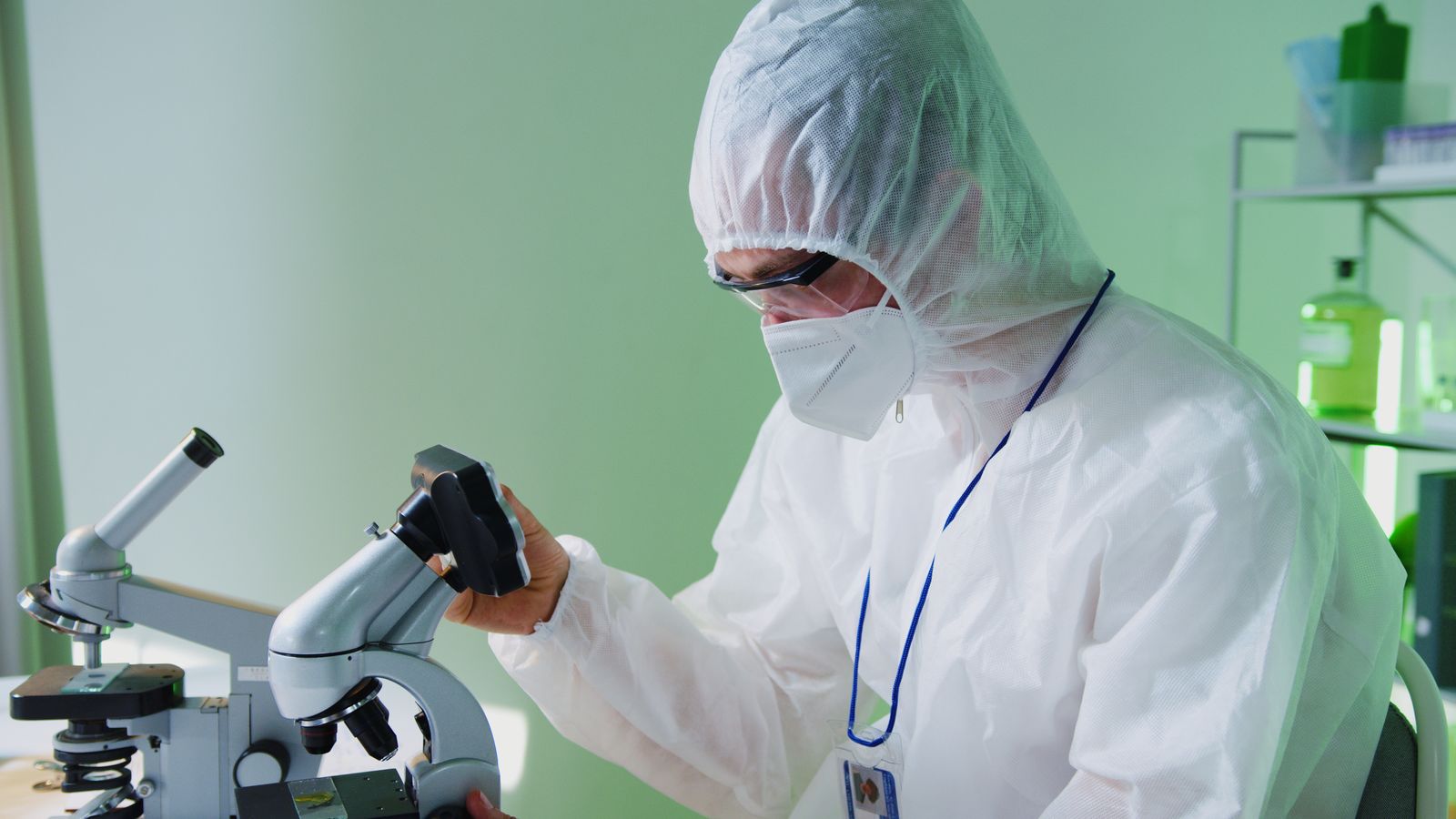
Study Finds CBG Extracts More Stable Than CBD in Topical Formulations
New research shows cannabigerol outperforms cannabidiol in stability testing for skincare products.