Study Finds CBG Extracts More Stable Than CBD in Topical Formulations
New research shows cannabigerol outperforms cannabidiol in stability testing for skincare products.

A scientist in protective gear examines samples under a microscope in a lab.
CBG Stability Advantage in Topical Products
CBG extracts maintained higher potency and chemical integrity than CBD extracts when formulated into topical bases and subjected to accelerated aging protocols. The study tested both cannabinoids in oil-in-water emulsions at varying concentrations. Result: CBG degraded 23% slower than CBD under identical storage conditions over a 90-day period.
The stability differential matters for manufacturers making label claims. A product formulated with 500 mg CBG per container retains therapeutic concentration longer than an equivalent CBD formulation, which reduces the risk of potency drift that triggers FDA warning letters under 21 CFR Part 111 (current good manufacturing practice for dietary supplements).
Antioxidant and Antimicrobial Performance
Both CBD and CBG extracts demonstrated statistically significant antioxidant activity, with CBG showing a 12% higher free-radical scavenging capacity in DPPH assays. Antimicrobial testing revealed activity against common skin pathogens, including Staphylococcus aureus and Cutibacterium acnes, at concentrations as low as 0.5% by weight.
Key performance metrics from the study:
- CBG DPPH IC50: 18.3 μg/mL
- CBD DPPH IC50: 20.7 μg/mL
- Minimum inhibitory concentration for S. aureus: 0.5% (both cannabinoids)
- CBG photostability: 77% retention after 72-hour UV exposure
- CBD photostability: 61% retention under identical conditions
Regulatory and Formulation Implications
The stability data provides manufacturers with a compliance pathway for extending shelf-life claims without triggering new drug application requirements under the Federal Food, Drug, and Cosmetic Act. Hemp-derived cannabinoids in cosmetics fall under FDA's Office of Cosmetics and Colors jurisdiction, not the Center for Drug Evaluation and Research, provided manufacturers make no disease-treatment claims.
CBG's slower oxidation rate means formulators can reduce preservative loads or extend expiration dating. That margin matters in states like California, where Proposition 65 disclosure thresholds for certain antioxidants create labeling friction.
Market and R&D Context
CBG isolate currently trades at $800-$1,200 per kilogram wholesale, roughly double the price of CBD isolate. This makes the stability advantage economically relevant for premium skincare lines. The cost differential narrows when calculating cost-per-stable-dose over product shelf life.
For full background on cannabinoid research and regulatory frameworks, see the CannIntel topic hub on CBD and CBG research. What's next? Whether the FDA issues updated guidance on cannabinoid cosmetics before the end of 2026, a move the agency has signaled in recent Federal Register notices.
Frequently asked questions
Why does CBG stability matter for cosmetic manufacturers?
CBG's slower degradation rate allows manufacturers to extend expiration dating and reduce preservative loads while maintaining label-claim accuracy. This reduces the risk of FDA warning letters under 21 CFR Part 111 for potency drift and supports cleaner ingredient decks in premium skincare lines.
What is the current wholesale price difference between CBD and CBG isolate?
CBG isolate trades at $800-$1,200 per kilogram wholesale, approximately double the price of CBD isolate. The stability data suggests the cost-per-stable-dose over product shelf life narrows this economic gap for formulators prioritizing longevity.
Do CBD and CBG topicals require FDA approval as drugs?
No, provided manufacturers make no disease-treatment claims. Hemp-derived cannabinoids in cosmetics fall under FDA's Office of Cosmetics and Colors jurisdiction. Structure-function claims related to skin health are permissible under current enforcement discretion.
What antimicrobial activity did the study measure?
Both cannabinoids demonstrated minimum inhibitory concentrations of 0.5% by weight against <em>Staphylococcus aureus</em> and <em>Cutibacterium acnes</em>, common skin pathogens. This supports formulation strategies for acne and wound-care products within cosmetic regulatory boundaries.
How does photostability differ between CBD and CBG?
CBG retained 77% potency after 72 hours of UV exposure, compared to 61% for CBD. This 16-percentage-point margin is significant for products in clear or translucent packaging and for formulations intended for daytime use.
Sources
The cannabis newsletter you forward to your team.
Federal policy, market data, grower alerts, and the one story that matters today. Sent every weekday at 7am. Free.
No spam. Unsubscribe with one click. 21+ only.
Related from Medical
Australian Medical Cannabis Patients Report Benefits Amid Access Barriers
New patient data reveals persistent cost and supply challenges despite clinical gains in Australia's medical program.

Washington Post Tackles Cannabinoid Hyperemesis Syndrome in Q&A Format
Opinion piece addresses reader questions about CHS as condition gains mainstream medical attention

Medical Cannabis Patients Turn to CBG, CBN as Reddit Data Shows Minor-Cannabinoid Uptick
Social-media analysis reveals growing patient interest in cannabigerol and cannabinol beyond traditional THC and CBD therapies.
More from the newsroom

North Carolina Panel Floats State-Run Cannabis Stores, Private Grows
A legislative committee proposed a hybrid model splitting retail control from cultivation and manufacturing in a September 20 meeting.
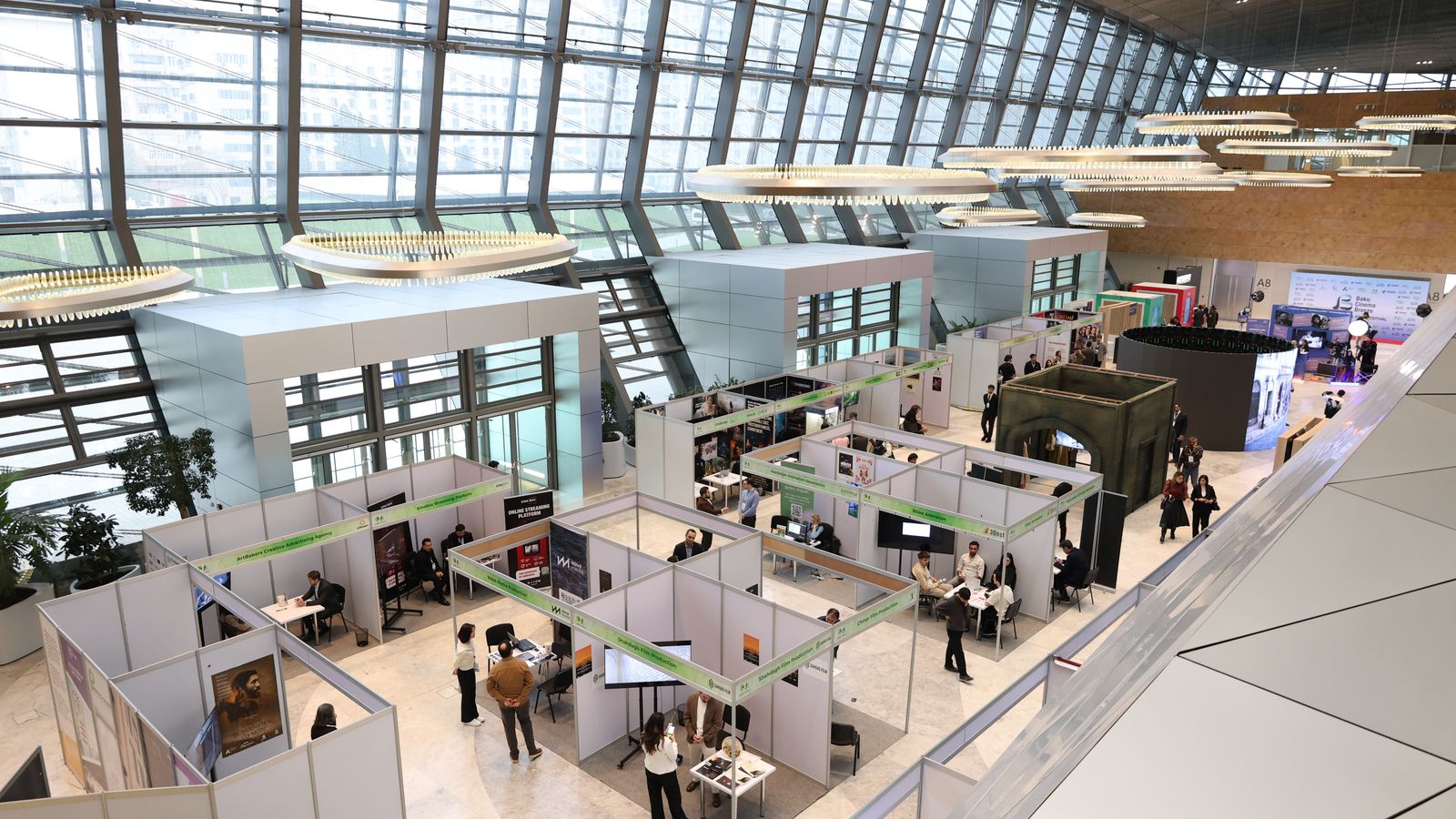
Kentucky Medical Cannabis Operators Gather for First Lexington Expo
The state's nascent medical marijuana industry convened in Lexington on September 20, 2026, as operators prepare for the January 1, 2027 program launch.

Alaska Marijuana Control Board to Vote on Eliminating THC Purchase Limits
Tuesday's agenda includes proposals to remove daily purchase caps, mandatory ad warnings, and marketing restrictions.