Australia Advances Cannabis Law Reform Across Multiple States
New legislation in Victoria and South Australia shifts possession penalties as federal review continues.

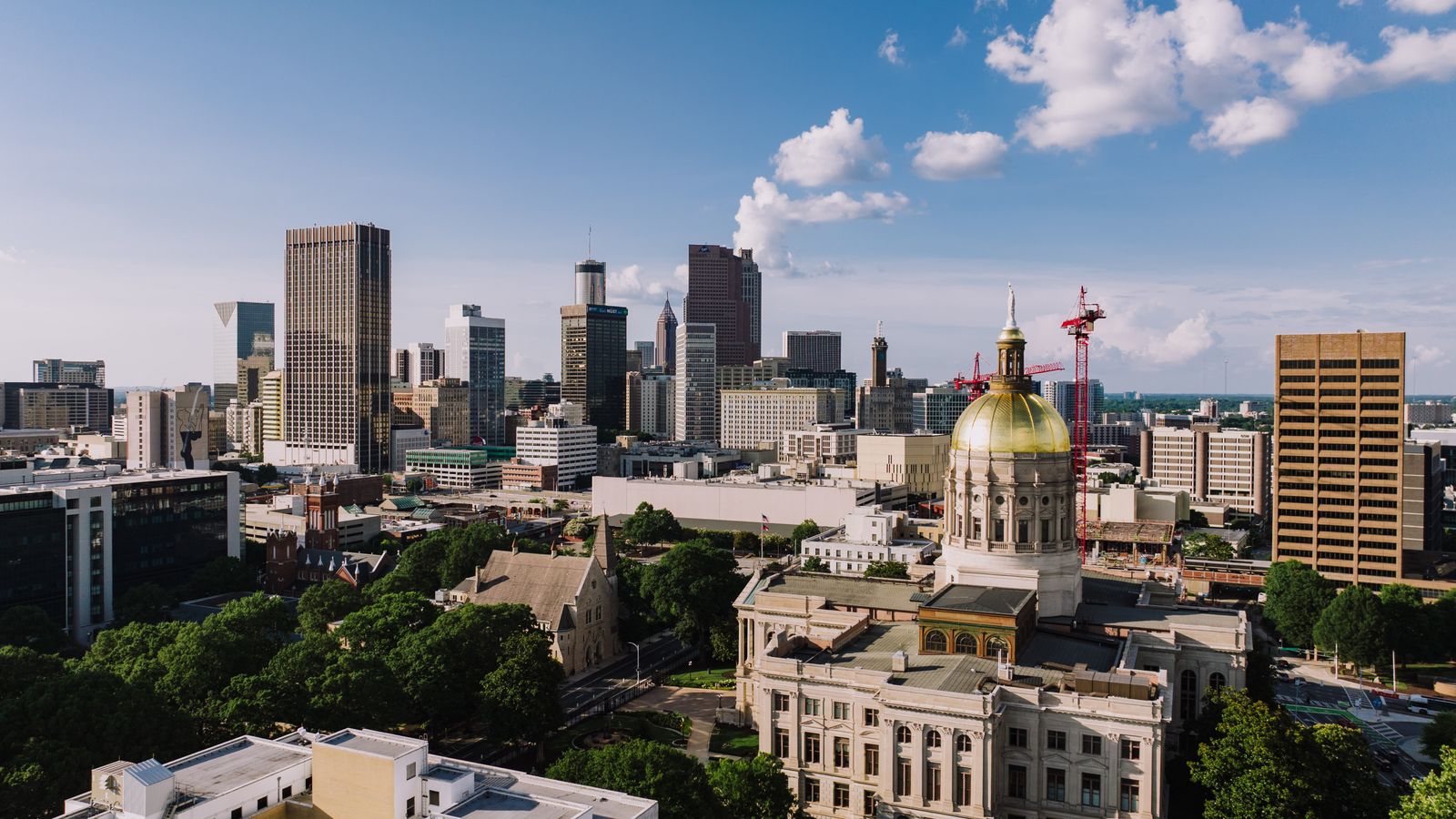
Aerial shot of the Supreme Court Building's architectural details in Melbourne, Australia.
Victoria Decriminalizes Small Possession
Victoria's Cannabis Cautioning Bill 2026 decriminalizes possession of up to 50 grams for first-time offenders. Attorney-General Jaclyn Symes introduced the legislation September 18. It replaces criminal charges with civil warnings for quantities below the 50-gram threshold. Second offenses within two years trigger mandatory drug education programs. Third offenses revert to criminal prosecution.
The bill applies only to dried flower. It excludes concentrates, edibles, and cultivation. Victoria becomes the third Australian state to adopt formal decriminalization after South Australia (1987) and the Australian Capital Territory (2020).
South Australia Expands 1987 Framework
South Australia's Cannabis Expiation Amendment increases the decriminalized threshold from 25 grams to 50 grams and adds two plants to the cultivation allowance. The bill passed the Legislative Council September 19 by a 12-9 vote and now moves to the House of Assembly. South Australia's 1987 Cannabis Expiation Notice system was the first decriminalization model in Australia. This is its first substantive update in 39 years.
First offenses now carry an expiation fee of A$150, down from A$300. Repeat offenses within 12 months escalate to criminal charges. For context on Australia's fragmented state-by-state approach, see the CannIntel topic hub on Australia cannabis reform.
Federal Medicinal Review Targets TGA Barriers
The Therapeutic Goods Administration opened a 60-day consultation September 15 on removing the Special Access Scheme-B requirement for cannabis prescriptions. Current rules require doctors to apply for TGA authorization before prescribing medicinal cannabis, a process that adds 2-4 weeks and costs patients A$200-500 in specialist fees. The proposed rule change would allow general practitioners to prescribe without prior approval, aligning cannabis with Schedule 4 pharmaceuticals.
The TGA received 11,400 SAS-B applications for cannabis in 2025, up 340% from 2022. Industry groups estimate the administrative burden costs the healthcare system A$18 million annually. Public comment closes November 14. Final rules are expected by February 2027.
State-by-State Patchwork Persists
Five jurisdictions maintain full criminal prohibition for recreational possession: New South Wales, Queensland, Western Australia, Tasmania, and the Northern Territory. Penalties range from on-the-spot fines of A$400 in Queensland to two years imprisonment in Western Australia for quantities above 10 grams. The federal government has no plans to introduce national decriminalization legislation, leaving reform to individual states.
For complete background, history, and our ongoing coverage of this story:
Open the CannIntel topic hub →Frequently asked questions
Which Australian states have decriminalized cannabis possession?
Three jurisdictions have decriminalized small amounts: South Australia (since 1987, up to 50 grams under pending amendment), Australian Capital Territory (since 2020, up to 50 grams), and Victoria (pending 2026 legislation, up to 50 grams). All other states maintain criminal penalties.
What is Australia's Special Access Scheme-B for medicinal cannabis?
SAS-B requires doctors to obtain Therapeutic Goods Administration approval before prescribing medicinal cannabis to individual patients. The process adds 2-4 weeks and costs patients A$200-500 in specialist consultation fees. The TGA is reviewing whether to eliminate this requirement.
Can Australians grow cannabis at home legally?
Only in the Australian Capital Territory, which allows two plants per person (four per household) for personal use. South Australia's pending amendment would allow two plants under its expiation system. All other states prohibit cultivation.
When will Victoria's decriminalization law take effect?
The Cannabis Cautioning Bill 2026 was introduced September 18 and requires passage in both houses of Parliament. If enacted by year-end, the law typically takes effect 60-90 days after royal assent, likely in early 2027.
Sources
The cannabis newsletter you forward to your team.
Federal policy, market data, grower alerts, and the one story that matters today. Sent every weekday at 7am. Free.
No spam. Unsubscribe with one click. 21+ only.
Related from Laws
North Carolina Panel Floats State-Run Cannabis Stores, Private Grows
A legislative committee proposed a hybrid model splitting retail control from cultivation and manufacturing in a September 20 meeting.

Alaska Marijuana Control Board to Vote on Eliminating THC Purchase Limits
Tuesday's agenda includes proposals to remove daily purchase caps, mandatory ad warnings, and marketing restrictions.

Medical Cannabis Advocates Condemn Murphy's Silence on NJ Home Grow
Patient groups criticize Governor Phil Murphy for refusing to clarify his position on medical home cultivation as legislative session nears close.
More from the newsroom

Kentucky Medical Cannabis Operators Gather for First Lexington Expo
The state's nascent medical marijuana industry convened in Lexington on September 20, 2026, as operators prepare for the January 1, 2027 program launch.

Silly Nice and stupidDOPE Launch Cannabis Record Expungement Project
New York cannabis brand Silly Nice partners with media platform stupidDOPE to fund legal aid for individuals with pre-legalization cannabis convictions.

Study Finds CBG Extracts More Stable Than CBD in Topical Formulations
New research shows cannabigerol outperforms cannabidiol in stability testing for skincare products.