NJCRC Issues RFP to Overhaul Cannabis Lab Testing Program
New Jersey's Cannabis Regulatory Commission seeks vendor proposals to modernize testing standards and compliance protocols.

Close-up of colorful test tubes with blue caps in a laboratory setting.
RFP Targets Testing Accuracy and Compliance Infrastructure
The NJCRC's RFP seeks a vendor to design and implement enhanced testing protocols for potency, contaminants, and microbial safety across New Jersey's 200-plus licensed dispensaries and cultivation facilities. Inconsistencies in test results drove the decision. So did delayed compliance reporting. The RFP deadline is November 15, 2026, with vendor selection expected by January 2027.
New Jersey's current testing framework relies on 12 state-licensed laboratories that process samples for THC/CBD potency, pesticide residues, heavy metals, and microbial contaminants. Industry operators have reported turnaround delays of up to 14 days during peak harvest periods, creating inventory bottlenecks for cultivators awaiting certificate-of-analysis approvals.
The math is brutal. Testing backlogs cost New Jersey operators an estimated $8 million in delayed product releases during Q2 2026, according to the New Jersey Cannabis Trade Association.
Scope Includes Proficiency Testing and Data Standardization
The RFP specifies three core deliverables: a proficiency-testing program for licensed labs, a centralized data-management system for COA tracking, and standardized methodologies for cannabinoid and terpene analysis. Proficiency testing would require labs to analyze blind samples quarterly to verify accuracy against known reference standards.
Key requirements outlined in the RFP include:
- Real-time COA submission portal integrated with the state's seed-to-sale system
- Standardized detection limits for 66 pesticide compounds and 4 heavy metals
- Mandatory inter-laboratory comparison studies twice annually
- Public-facing dashboard displaying lab performance metrics and turnaround times
Data standardization addresses a longstanding operator complaint: different labs report cannabinoid profiles using inconsistent units and rounding conventions, which complicates product labeling and muddies consumer transparency.
Budget and Timeline Signal Urgency
The NJCRC allocated $4.2 million for the first 18 months of the program, with vendor payments tied to milestone delivery and system uptime benchmarks. The winning vendor must deploy the proficiency-testing component by March 2027 and the centralized data platform by June 2027.
Contract terms include performance penalties for system downtime exceeding 2% monthly and accuracy thresholds requiring 95% concordance in proficiency-test results across participating labs. Labs failing two consecutive proficiency rounds face license suspension pending remediation.
This timeline compresses a process that took California and Michigan 24-30 months to implement. New Jersey's betting that off-the-shelf software and established ISO 17025 frameworks can accelerate deployment.
What Operators Should Watch
The program's success hinges on lab participation and the vendor's ability to integrate with New Jersey's existing METRC-based tracking system without disrupting current workflows. Operators should monitor the January 2027 vendor announcement for clues about implementation friction. Does the selected firm have cannabis-specific experience, or does it come from pharmaceutical or environmental testing sectors?
For full context on New Jersey's regulatory evolution, see the CannIntel topic hub on New Jersey Cannabis Program.
We'll be watching whether the NJCRC extends the RFP deadline if vendor interest is weak. That would signal the technical specifications are too aggressive or the budget too constrained for the scope outlined.
For complete background, history, and our ongoing coverage of this story:
Open the CannIntel topic hub →Frequently asked questions
What is the deadline for vendors to respond to the NJCRC lab testing RFP?
The RFP deadline is November 15, 2026. The NJCRC expects to select a vendor by January 2027 and begin implementation in March 2027 with the proficiency-testing component.
How many cannabis testing labs operate in New Jersey?
New Jersey licenses 12 cannabis testing laboratories that analyze samples for potency, pesticides, heavy metals, and microbial contaminants for the state's 200-plus dispensaries and cultivation facilities.
What are the main goals of the NJCRC testing program overhaul?
The program targets three goals: implementing quarterly proficiency testing for labs, creating a centralized COA tracking system integrated with METRC, and standardizing cannabinoid and terpene analysis methods across all licensed labs.
What happens if a lab fails proficiency testing under the new program?
Labs that fail two consecutive proficiency rounds face license suspension pending remediation. The program requires 95% concordance in proficiency-test results to maintain active licensing status.
How much is New Jersey spending on the lab testing upgrade?
The NJCRC allocated $4.2 million for the first 18 months of the program. Vendor payments are tied to milestone delivery and system uptime benchmarks, with penalties for downtime exceeding 2% monthly.
Sources
The cannabis newsletter you forward to your team.
Federal policy, market data, grower alerts, and the one story that matters today. Sent every weekday at 7am. Free.
No spam. Unsubscribe with one click. 21+ only.
Related from Laws

Washington Warns Providers Against Improper Cannabis Authorizations
State health regulators issued guidance targeting clinic referral schemes and authorization mills.

DEA Judge Freezes Cannabis Rescheduling Over Missing Paperwork Report
Administrative law judge halts Schedule III proceedings pending agency response to procedural compliance allegations.

DEA Rescheduling Status Tops Industry Readership in September
Cannabis Business Times reports federal rescheduling inquiry led monthly traffic as operators await final rule.
More from the newsroom

Michigan revokes grower license, fines Millie Montana $250K for dirt fraud
State regulators say the cultivator shipped dirt, mulch and plant waste in packages labeled as marijuana flower.
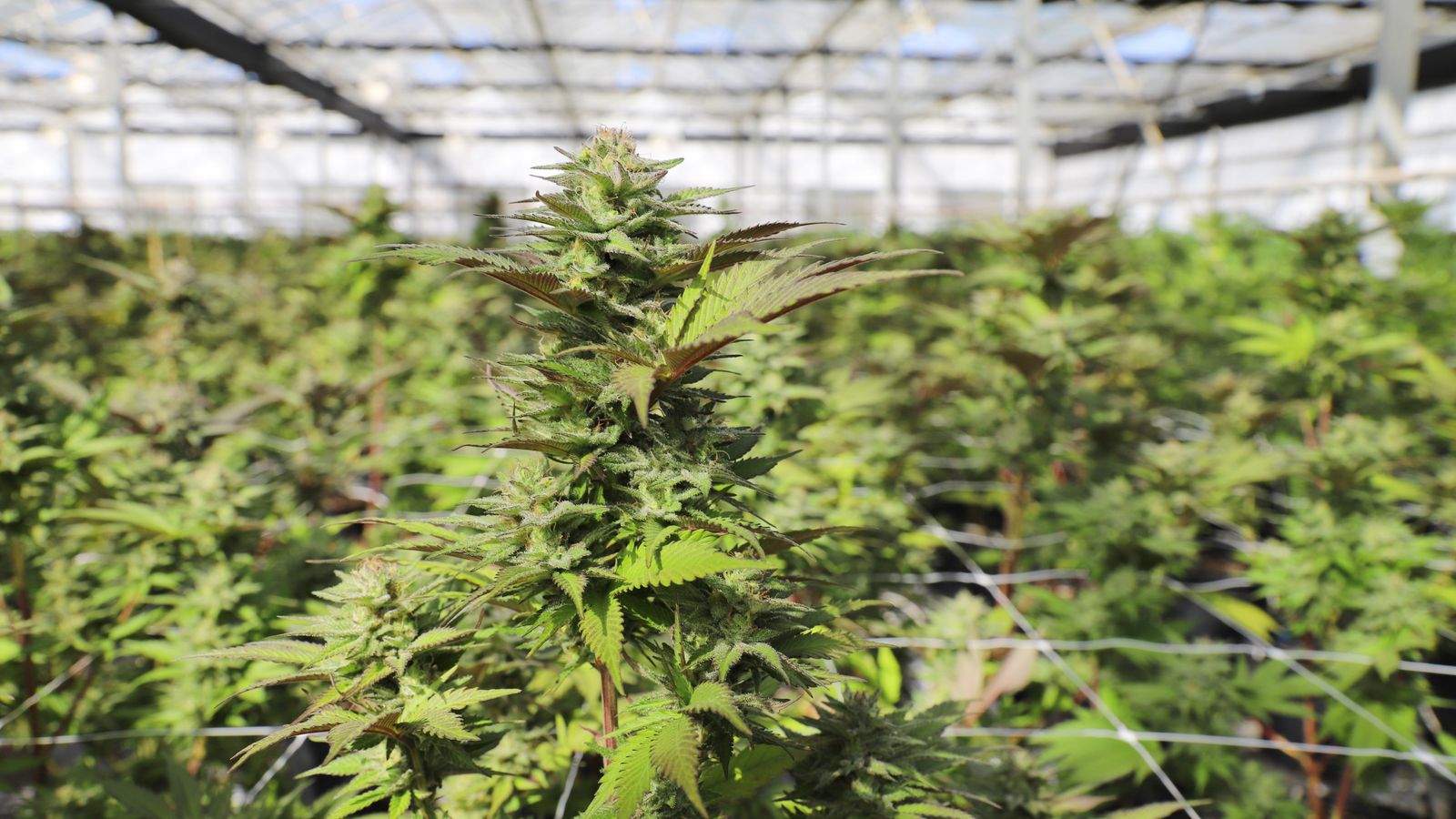
THCA Flower Brands Split Catalogs by Cultivation Method
Hemp-derived THCA brands now market indoor, greenhouse, and outdoor flower separately as consumer demand for cultivation transparency grows.
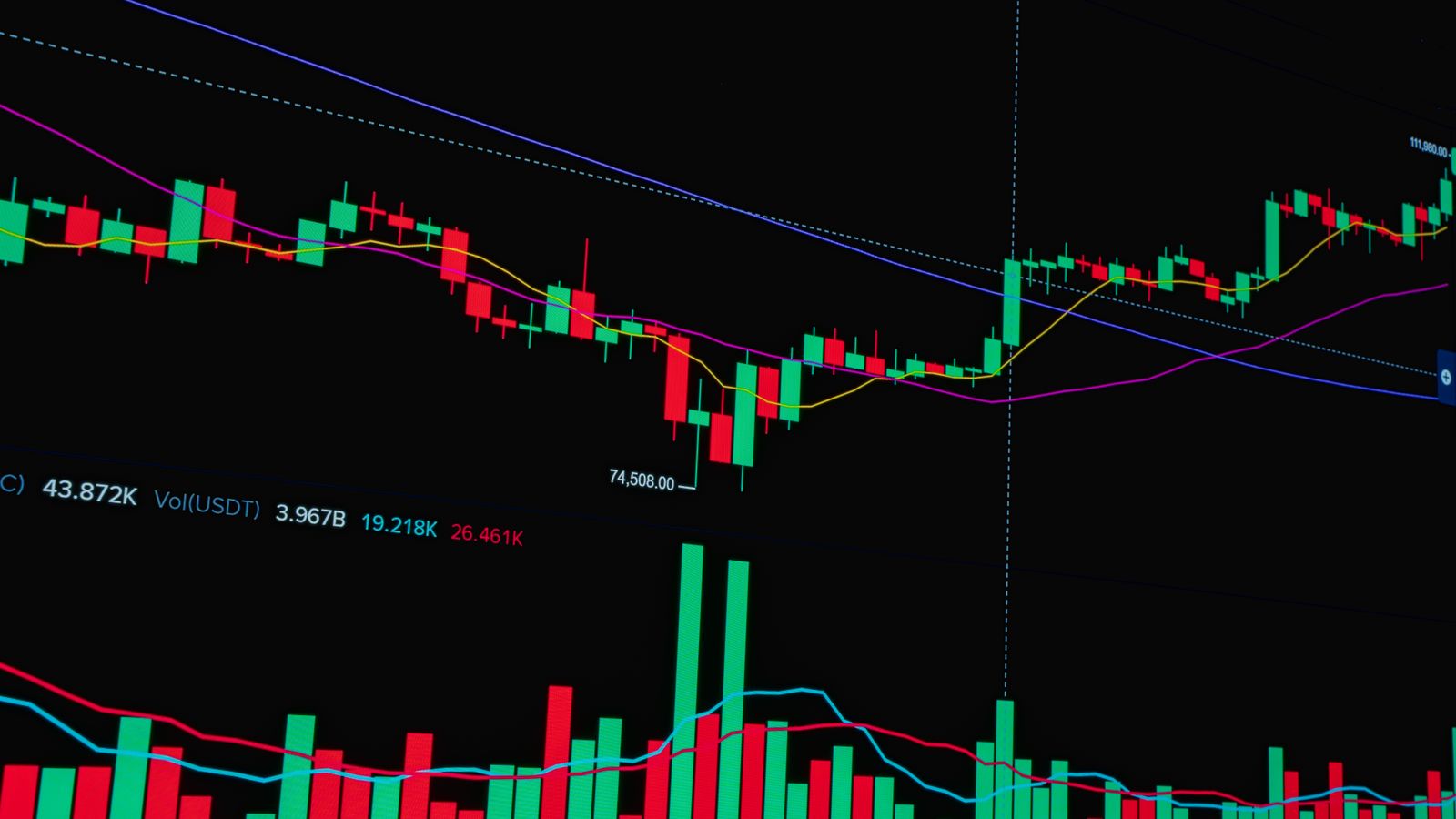
DEA Procedural Delay Triggers Cannabis Stock Decline
Multi-state operators lost 4-7% after the agency postponed a key rescheduling hearing without explanation.