NDLEA Warns of Cannabis-Infused Cookies, Gummies in Circulation
Nigeria's drug enforcement agency issued a public alert about THC-infused edibles entering consumer channels without labeling.
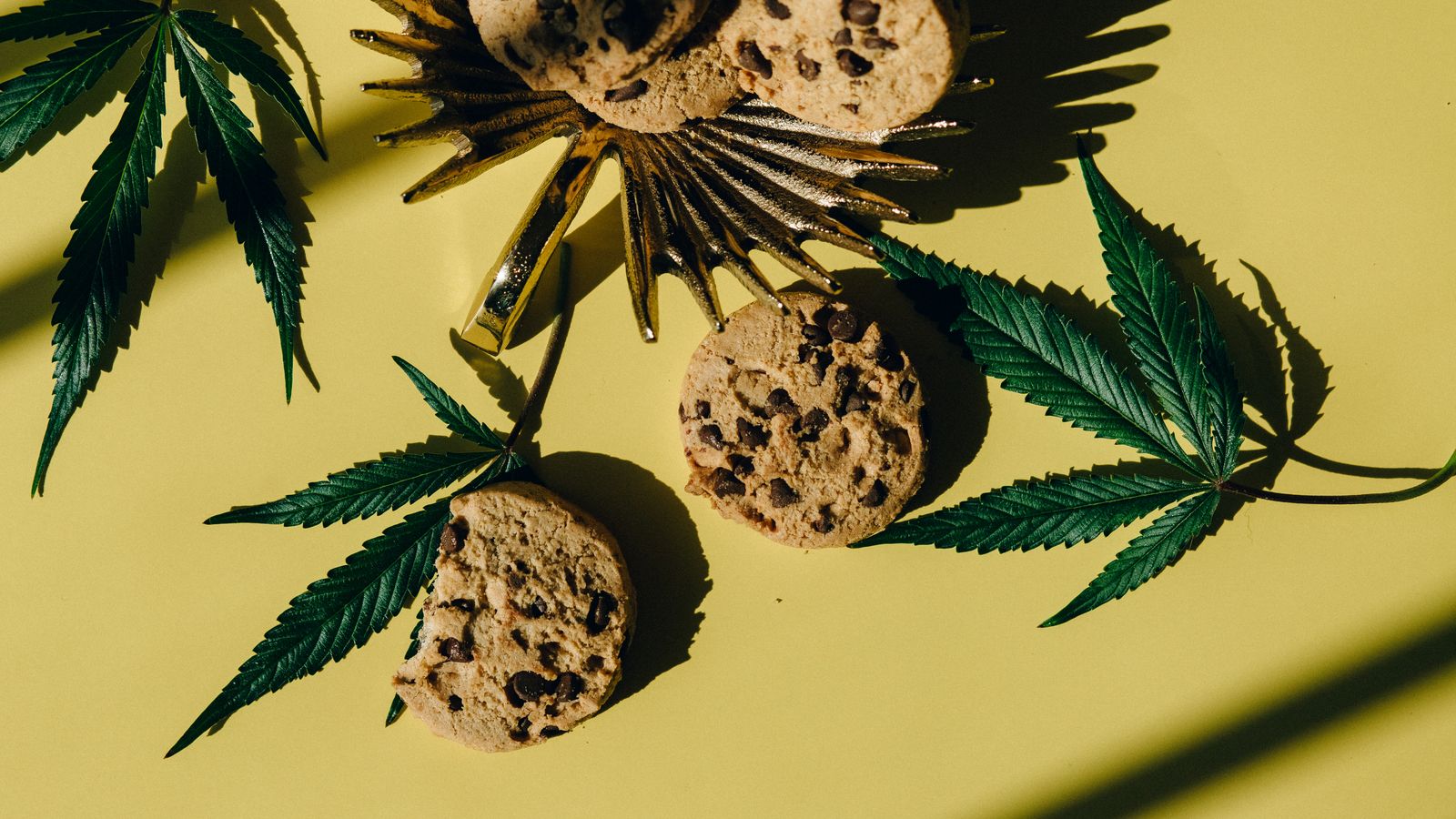
Top view of cannabis leaves and chocolate chip cookies on a sunny yellow background, symbolizing edibles.
NDLEA Issues First Edibles Alert
The National Drug Law Enforcement Agency warned consumers August 9 that cannabis-infused cookies and gummies are circulating in Nigerian markets without proper labeling or regulatory oversight. The alert, published on the agency's official channels, didn't specify seizure volumes or arrest figures. It identified the products as unlabeled THC-infused confections marketed to resemble conventional snacks.
This marks the first time the agency has issued a formal public advisory specifically targeting edibles rather than dried flower or concentrates. Nigeria's Narcotic Drugs (Control, Enforcement and Penalties) Act classifies all cannabis products as Schedule I controlled substances, making possession, sale, and consumption criminal offenses punishable by up to 25 years imprisonment.
Enforcement Context and Statutory Framework
Nigeria's drug statutes don't distinguish between edibles and other cannabis forms, treating THC-infused food products under the same prohibitions that govern flower and concentrates. The Narcotic Drugs Act, last amended in 1989, predates the global edibles market. It contains no provisions for labeling, dosage limits, or child-resistant packaging requirements common in regulated markets.
The advisory comes 18 months after the National Assembly tabled but didn't advance a medical cannabis bill that would have created a licensing framework for cultivation and processing. That bill, introduced in February 2025, died in committee without a floor vote.
Key statutory provisions governing cannabis in Nigeria:
- Schedule I classification under the Narcotic Drugs Act
- Possession: up to 15 years imprisonment
- Trafficking: up to 25 years imprisonment
- No medical or industrial exemptions currently in force
- No regulatory pathway for edibles, concentrates, or derivatives
Market Dynamics and Supply Chain
The NDLEA didn't identify the origin of the edibles or whether they're domestically produced or imported. West African cannabis markets have historically relied on flower cultivation in rural regions, with limited evidence of large-scale extraction or infusion operations.
Edibles appearing in Nigeria's informal market suggest either cross-border smuggling from jurisdictions with established processing infrastructure or the emergence of domestic clandestine production. The agency's alert didn't reference specific brands, packaging styles, or geographic concentration of the products.
Nigeria shares porous borders with Benin, Niger, Chad, and Cameroon, all of which maintain cannabis prohibition regimes but face enforcement capacity constraints. The Economic Community of West African States has no harmonized cannabis policy. Cross-border interdiction relies on bilateral cooperation agreements.
Public Health and Consumer Risk
Unlabeled cannabis edibles pose acute dosing risks, particularly for consumers unfamiliar with THC onset times and potency variability. The warning emphasized the danger of accidental ingestion by children. That concern is amplified by the products' resemblance to conventional cookies and gummies.
Regulated cannabis markets typically require:
- Milligram-specific THC labeling per serving and per package
- Child-resistant packaging with universal warning symbols
- Batch testing for potency, pesticides, and microbial contaminants
- Opaque or non-transparent packaging to prevent visual appeal to minors
None of these safeguards apply in Nigeria's illicit market. The advisory didn't indicate whether the agency has laboratory-tested seized samples for potency or contaminants.
Regional Enforcement Trends
Nigeria's edibles alert follows a pattern of African enforcement agencies confronting cannabis product innovation ahead of legislative frameworks. South Africa, which decriminalized personal cannabis use in 2018, still prohibits edibles sales outside of licensed medical channels. Kenya's Anti-Narcotics Unit issued similar warnings about THC-infused beverages in March 2026.
Historically, the NDLEA has focused enforcement resources on heroin and methamphetamine trafficking through Lagos and Port Harcourt. Cannabis remains a lower-tier priority despite its Schedule I status. The agency reported 8,200 cannabis-related arrests in 2025, representing 34% of total drug arrests, according to its annual report.
For comprehensive background on Nigeria's cannabis enforcement landscape and legislative history, see the CannIntel topic hub on Nigeria Cannabis Enforcement.
What Comes Next
The NDLEA didn't announce heightened enforcement operations or new interdiction protocols in response to the edibles circulation. The agency's statement urged parents and guardians to monitor children's snack consumption and report suspicious products to local NDLEA offices.
Nigeria's National Assembly reconvenes in September 2026. No medical cannabis legislation is currently on the docket. The body has shown limited appetite for revisiting the issue after the 2025 bill's collapse. The NDLEA operates under the Federal Ministry of Justice and has no independent rulemaking authority to create regulatory carve-outs for cannabis derivatives.
Watch these variables: whether the NDLEA publishes seizure data or potency test results in coming weeks, and whether the edibles advisory triggers renewed legislative interest in a controlled medical framework. Neither is guaranteed.
Frequently asked questions
Are cannabis edibles legal in Nigeria?
No. Nigeria's Narcotic Drugs Act classifies all cannabis products, including edibles, as Schedule I controlled substances. Possession, sale, and consumption carry criminal penalties up to 25 years imprisonment. No medical or recreational exemptions exist.
What penalties apply to cannabis edibles possession in Nigeria?
The same penalties as dried flower: up to 15 years for possession, up to 25 years for trafficking. Nigeria's statutes do not distinguish between product forms or assign different penalties to edibles versus flower.
Has Nigeria considered legalizing medical cannabis?
A medical cannabis bill was introduced in the National Assembly in February 2025 but died in committee without a vote. No similar legislation is currently pending, and the body has shown limited interest in revisiting the issue.
Where are the cannabis edibles coming from?
The NDLEA did not identify the source. Possibilities include cross-border smuggling from neighboring countries or domestic clandestine production. The agency has not published seizure data or supply-chain analysis.
What should Nigerian consumers do if they encounter these products?
The NDLEA advised parents to monitor children's snack consumption and report suspicious products to local NDLEA offices. Possession of cannabis edibles is a criminal offense regardless of intent or knowledge.
Sources
The cannabis newsletter you forward to your team.
Federal policy, market data, grower alerts, and the one story that matters today. Sent every weekday at 7am. Free.
No spam. Unsubscribe with one click. 21+ only.
Related from Laws

California Tax Agency Seizes $168M in Illicit Cannabis Since 2019
CDTFA enforcement teams have confiscated cannabis and tobacco products valued at $168 million over seven years.

One Seattle Officer Issued 80% of City's Marijuana Citations
A single Seattle Police Department officer wrote four out of five marijuana citations issued citywide, raising questions about enforcement discretion.

DEA Hearing Record Signals Path to Schedule III Rescheduling Decision
Administrative law judge's procedural choices and witness roster point to narrow scope favoring HHS recommendation.
More from the newsroom

Trulieve Reports Q2 2026 Earnings, Updates Full-Year Guidance
Florida MSO discusses quarterly performance and operational outlook in investor call.

Trulieve Reports Q2 2026 Earnings; Revenue and Margin Trends in Focus
The Florida-dominant MSO held its quarterly earnings call August 9, detailing second-quarter performance and operational updates.

Spain Study Finds Cannabis Reduces Restless Legs Syndrome Symptoms
Observational research from Barcelona shows measurable symptom improvement in RLS patients using cannabis, with THC-dominant cultivars outperforming CBD-only formulations.